When planning a construction project, choosing the right type of concrete is one of the most important decisions for the safety, strength, and long-term durability of the structure. Although residential and commercial concrete are both made from basic materials like cement, water, and aggregates, they are designed for completely different purposes. Using the wrong type of concrete can lead to serious structural damage, safety concerns, costly repairs, and even building code violations.
Commercial concrete is built to handle heavy loads, constant traffic, and harsh environmental conditions, while residential concrete is mainly designed for lighter daily use and decorative appeal. For example, the structural demands of a warehouse floor are much greater than those of a backyard patio or residential driveway. Understanding these differences helps contractors, developers, and property owners choose the right concrete solution while keeping projects durable, compliant, and cost-effective. This guide explains the key differences between residential and commercial concrete, including their applications, materials, structural requirements, and project demands.
What Is Residential Concrete?
Residential concrete is designed for homes and small residential properties. It focuses on appearance, everyday durability, and affordable installation for structures with lighter traffic and lower structural stress. Unlike commercial concrete, residential mixes are made to handle normal daily use, such as passenger vehicles, foot traffic, and small ground movement. Contractors also focus on decorative finishes that match the overall design of the home.
Definition and Scope of Residential Concrete
Residential concrete includes concrete mixes and installation methods specially created for single-family homes, duplexes, and smaller residential buildings. The main purpose is to provide basic structural support, safe surfaces, and attractive finishes instead of handling extremely heavy loads or industrial-level wear.
Common Residential Concrete Applications
Residential concrete is commonly used in visible areas where both function and appearance are important:
- Concrete Floors & Basements: Used as a strong base for flooring systems or polished for a modern interior look with low maintenance.
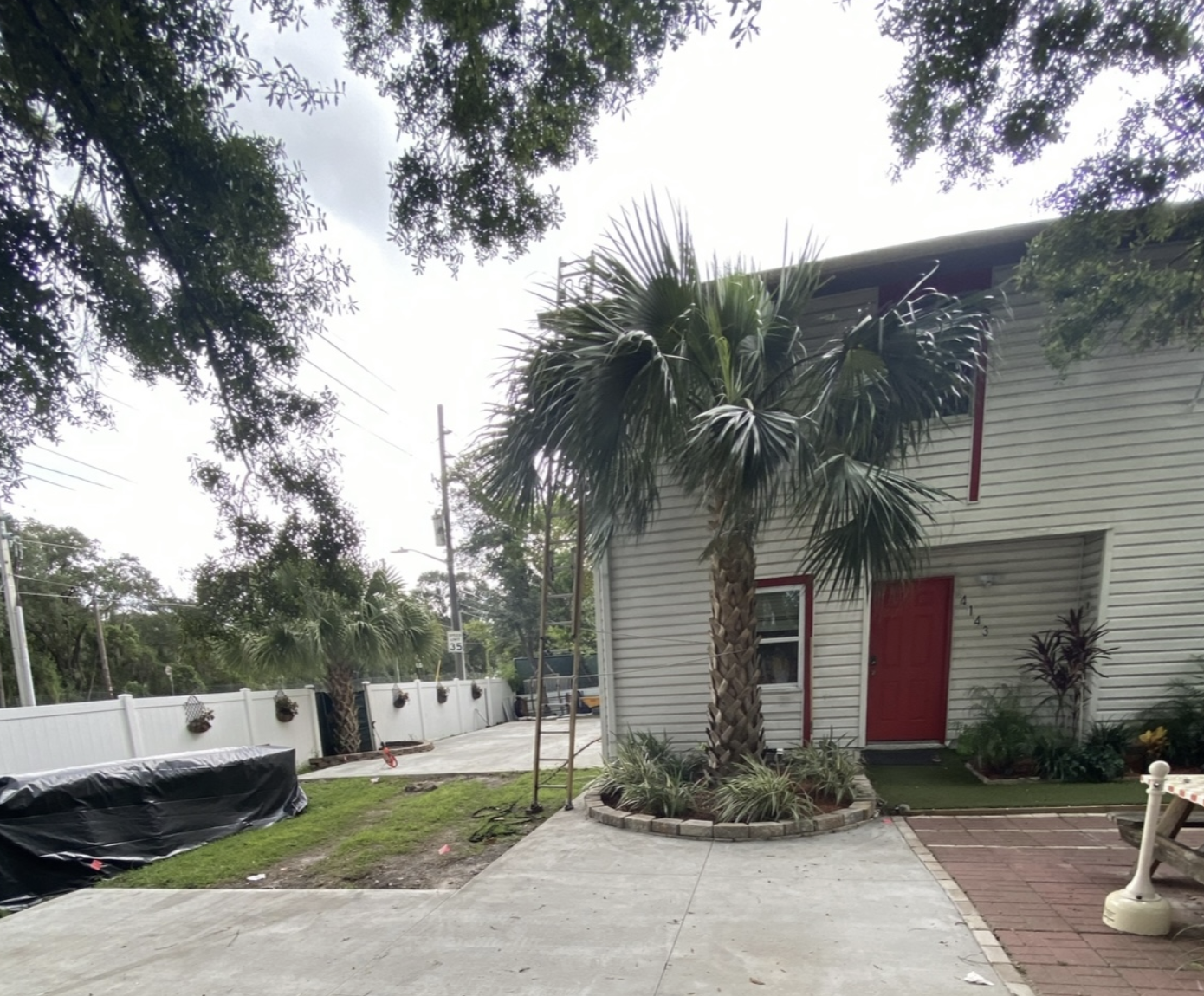
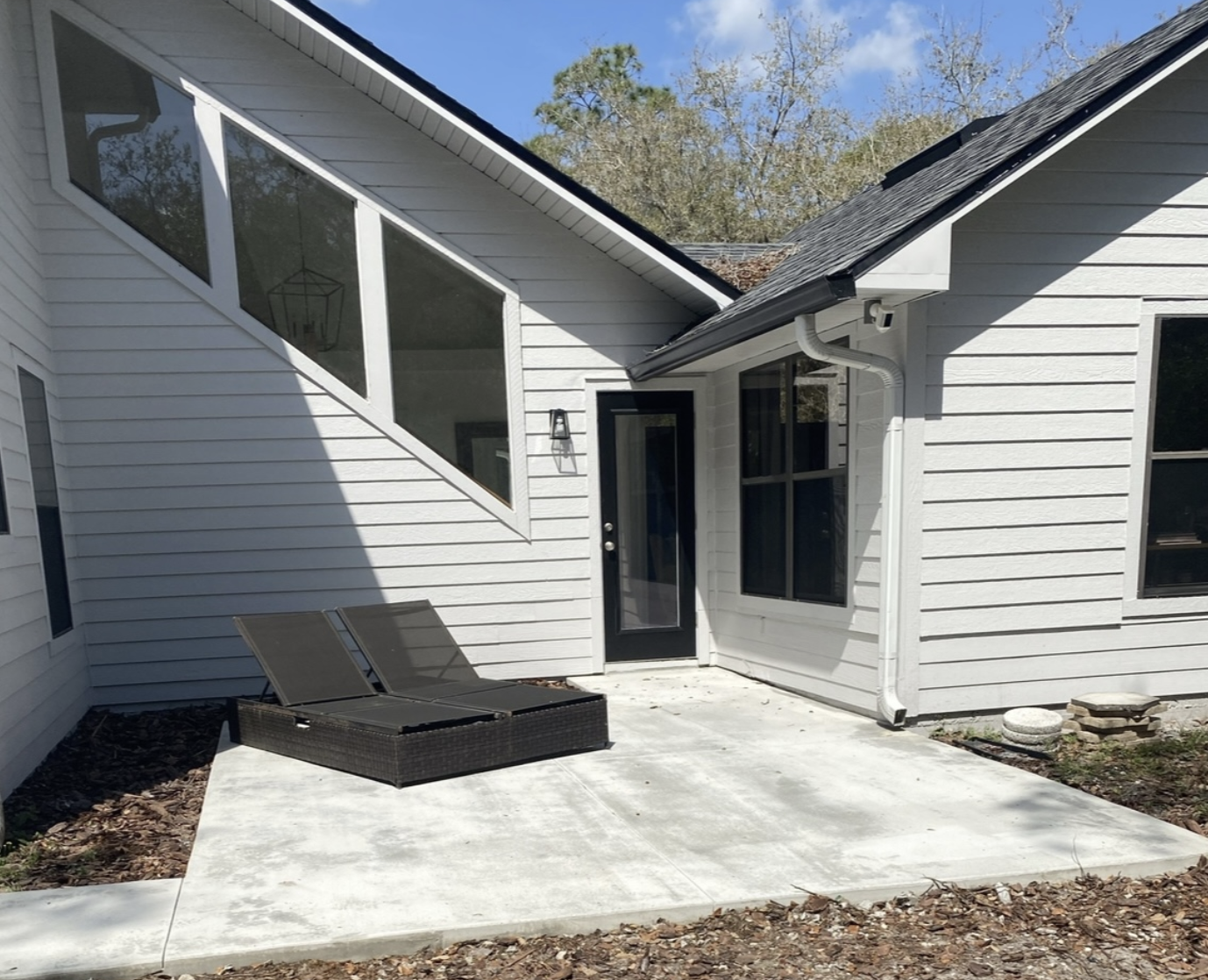
- Patios & Walkways: Outdoor spaces are often designed with stamped, stained, or textured finishes to improve curb appeal.
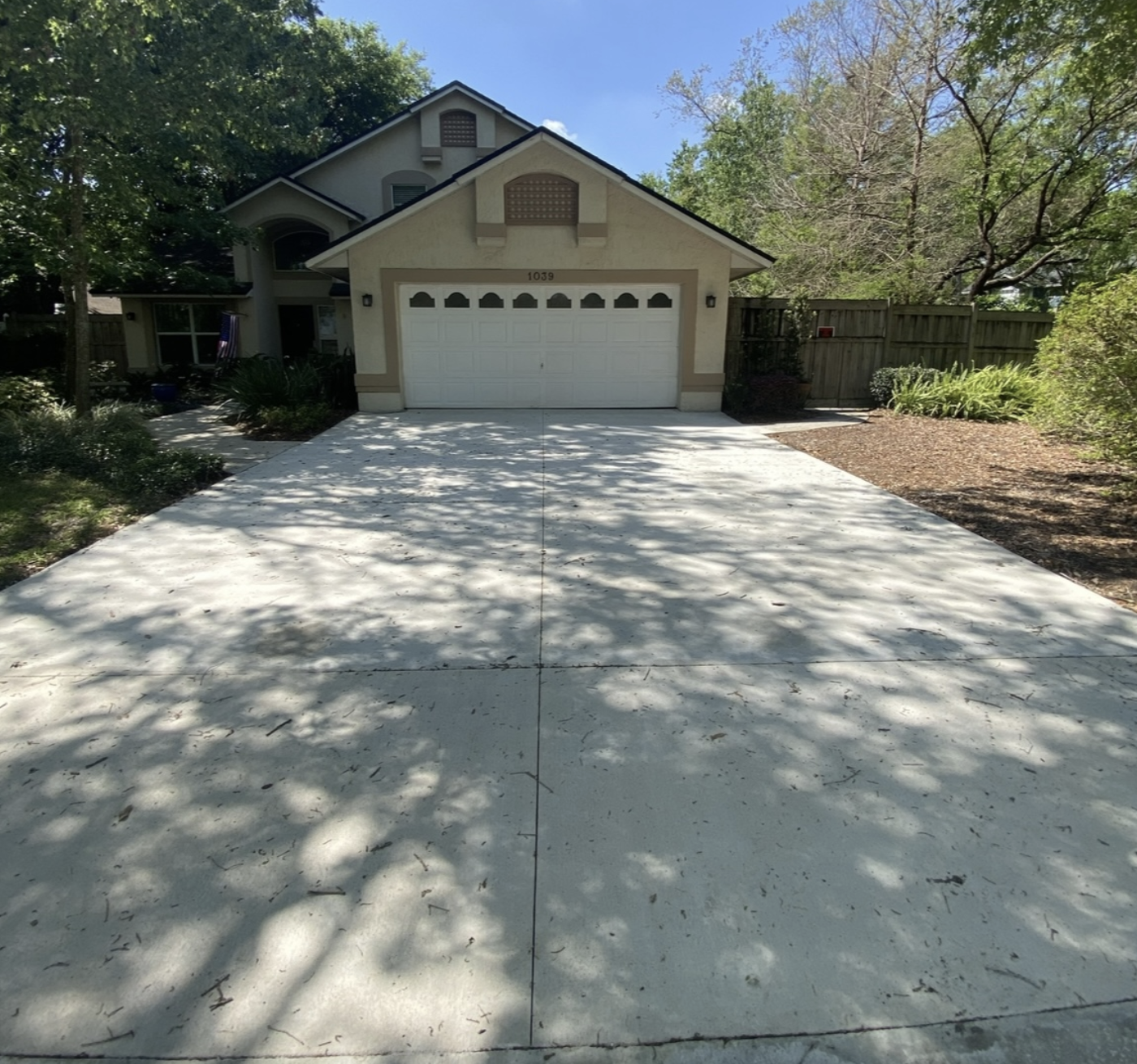
- Driveways: Built to support regular cars and small vehicles while using expansion joints to reduce cracking from weather changes.
- Countertops & Accent Walls: Custom concrete features created with fine aggregates and smooth finishes for modern home designs.
What Is Commercial Concrete? An Overview
Commercial concrete includes high-strength concrete mixes, advanced engineering methods, and strict quality control systems used for commercial buildings, industrial sites, and public infrastructure. This type of concrete is designed to handle heavy structural pressure, high traffic, harsh weather conditions, and chemical exposure for many years without failing.
Definition and Scope of Commercial Concrete
Commercial concrete is known for its stronger performance, advanced reinforcement systems, and large-scale use. These mixes often include chemical additives, carefully controlled water-to-cement ratios, and stronger cement materials to improve curing speed and increase compressive strength.
Commercial projects also require specialized installation methods and continuous monitoring to prevent weak spots and maintain consistent structural quality across large concrete areas.
Common Commercial Concrete Applications
Commercial concrete is used in major structures and heavy-duty facilities:
- Multi-Story Buildings & Office Buildings: Used for columns, foundations, slabs, and structural cores that support tall buildings.
- Retail Spaces & Shopping Centers: Strong concrete floors designed to handle constant foot traffic without major surface damage.
- Warehouses & Industrial Plants: Heavy-duty slabs built to support forklifts, large machinery, and heavy storage systems.
- Hospital Construction: Specialized foundations created to support medical equipment, reduce vibration, and meet strict health regulations.
Residential Construction vs Commercial Construction: Core Definitions
The difference between residential and commercial construction affects every part of the building process, from design and planning to inspections and final approval. Residential construction focuses on safe and comfortable living spaces for homeowners, while commercial construction focuses on large-scale buildings used for business operations and public use.
Residential Construction Defined
Residential construction involves building, remodeling, or repairing structures meant for people to live in. Most residential buildings use wood framing because it is affordable, flexible, and easier to install for smaller projects.
These projects are usually smaller in size, have shorter timelines, and are funded by homeowners or small residential developers following local zoning rules and standard financing systems.
Commercial Construction Defined
Commercial construction includes buildings created for business, industrial, or institutional use. These projects use stronger materials such as steel framing and reinforced concrete to meet fire safety standards, structural requirements, and long-term durability goals.
Commercial construction projects are more complex and involve larger crews, heavy equipment, strict deadlines, and detailed coordination between multiple contractors and subcontractors.
Distinction Matters for Concrete Contractors
Concrete contractors working in residential and commercial sectors need completely different equipment, engineering knowledge, financial systems, and project management methods. Failing to understand the rules and requirements of either sector can cause major delays, legal issues, or structural failures.
| Feature | Residential Concrete | Commercial Concrete |
| Primary Framing | Wood framing | Steel framing / Reinforced concrete |
| Material Demands | Standard cement and aggregate mixes | High-performance concrete & specialized additives |
| Structural Scale | Small-scale, localized footprints | Massive square footage, multi-story engineering |
| Equipment Used | Standard transit mixers, light tools | Heavy equipment construction (large pump trucks, cranes) |
| Regulations | Local residential building codes | Strict commercial building codes & OSHA standards |
| Financial Logistics | Direct payment or standard bank draws | Complex cash flow management and retainage systems |
Material Differences: What Goes Into the Mix
Although all concrete uses cement, water, and aggregates, the mix proportions and added materials are very different between residential and commercial projects. Commercial concrete requires advanced formulas to meet strict performance standards, while residential concrete focuses more on affordability and simple installation.
Concrete Mix Designs for Residential Projects
Residential concrete usually has a compressive strength between 2,500 PSI to 4,000 PSI2{,}500\ \text{PSI} \text{ to } 4{,}000\ \text{PSI}2,500 PSI to 4,000 PSI. The mix normally contains standard Portland cement, local sand, gravel, and water.
Because patios, driveways, and residential concrete floors are not exposed to extremely heavy weight, they rarely require advanced chemical additives. Contractors mainly focus on making the concrete easy to pour, shape, and finish while also improving the final appearance.
Concrete Mix Designs for Commercial Projects
Commercial concrete mixes are much more advanced and are designed to reach compressive strengths from 5,000 PSI to over 10,000 PSI5{,}000\ \text{PSI to over } 10{,}000\ \text{PSI}5,000 PSI to over 10,000 PSI for heavy structural applications.
These mixes often include:
- High-strength cement
- Superplasticizers
- Retarders
- Air-entraining agents
- Precisely graded aggregates
Commercial projects also rely heavily on reinforcement systems such as rebar grids, steel cables, and post-tension slabs to handle heavy tensile stress in office buildings, warehouses, and hospitals.
Equipment, Crew Size, and Project Timeline
Commercial concrete projects require much larger crews, more advanced equipment, and longer timelines compared to residential work.
- Residential Operations
- Crew Size: Usually handled by small crews of 3 to 6 workers.
- Equipment Used: Standard transit mixers, wheelbarrows, laser levels, and light excavation tools.
- Project Timeline: Residential projects like patios or driveways are often completed within 2 to 5 days, including excavation, pouring, and finishing.
Commercial Operations
- Crew Size: Large teams of engineers, laborers, supervisors, and safety managers working under organized construction management systems.
- Equipment Used: Heavy-duty machinery such as boom pumps, tower cranes, laser screeds, and large earthmoving equipment.
- Project Timeline: Commercial concrete work can take several weeks or even months because of large square footage, multiple pouring stages, and required curing periods.
Building Codes, Zoning, and Permit Requirements
Concrete projects must follow local, state, and federal regulations. Residential projects usually face simpler rules focused on safety and property limits, while commercial projects must pass much stricter inspections and engineering reviews.
Residential Concrete Code Compliance
Residential concrete projects must follow local building codes, including requirements for slab thickness, drainage slope, and reinforcement standards. Permits are usually easier to obtain, and inspections are generally limited to pre-pour checks and final approval.
Commercial Zoning and Permit Requirements
Commercial construction follows strict commercial building codes and zoning laws. Before commercial concrete can be poured, developers often need:
- Structural engineering approval
- Environmental reviews
- ADA compliance verification
- Multiple safety inspections
Commercial projects also require regular laboratory testing of concrete samples to confirm strength, slump, and air content standards.
Cost Differences: Residential vs Commercial Construction
Concrete project costs vary greatly depending on the scale, material requirements, labor demands, and structural complexity.
Residential Budget Dynamics
Residential concrete projects often have higher per-square-foot material costs because they use smaller material quantities without bulk pricing advantages. However, total project costs remain lower because the projects are smaller and require less engineering and reinforcement.
- Square Footage: The overall cost of a residential concrete project is largely affected by the total square footage because bigger areas require more concrete, additional labor, and longer installation time.
- Site Preparation: Contractors must properly prepare the site by removing old materials, leveling the surface, and compacting the soil to create a stable base before pouring concrete.
- Decorative Finishes: Many homeowners add decorative finishes such as stamping, staining, or textured designs to improve the visual appearance and increase the curb appeal of the property.
- Basic Reinforcement: Residential concrete usually includes reinforcement materials like rebar or wire mesh to improve structural strength, minimize cracking, and support long-term performance.
Commercial Budget Dynamics
Commercial concrete projects require much larger financial investments because of strict structural demands and high operational costs.
- High-performance concrete mixes and specialized commercial concrete coatings.
- Extensive concrete structural reinforcements, including rebar grids and post-tension slabs.
- Continuous third-party laboratory testing to verify material safety and strength compliance.
- Daily rental fees for specialized heavy equipment construction machinery.
- Extended labor costs for multi-shift operations are required to meet rigid timeline milestones.
Payment Structures and Cash Flow: Residential vs Commercial
The payment systems for residential and commercial concrete work are very different and greatly affect contractor operations and financial planning.
Homeowners Typically Pay for Concrete Work
Residential concrete work usually follows a simple milestone payment structure:
- Upfront Deposit: A percentage paid before work begins to cover scheduling and material costs.
- Midpoint Payment: Paid after excavation and framing are completed and before or after pouring.
- Final Payment: Paid once the project is fully completed, cleaned, and approved.
- This system helps contractors maintain stable cash flow while giving homeowners protection during the project.
Commercial Payment Terms, Billing Cycles, and Contractor Cash Flow
Commercial concrete contractors usually do not receive large upfront payments. Instead, they must use their own working capital to pay for labor, materials, and heavy equipment before reimbursement.
Payments are normally handled through monthly billing cycles based on the percentage of completed work. Commercial contracts also follow strict payment laws and retainage systems that affect how money moves through contractors and subcontractors.
Conclusion
Choosing between residential and commercial concrete is much more than choosing the size of a project. It is an important engineering decision that affects structural strength, safety, legal compliance, and long-term durability.
Residential concrete is mainly designed for homes, decorative applications, and everyday use with lighter loads. Commercial concrete is built to handle heavy industrial stress, constant traffic, and large-scale structural demands for decades.
Understanding the differences between these two types of concrete helps contractors, developers, and property owners choose the right materials, reinforcement systems, and financial planning methods for successful construction projects.
Frequently Asked Questions
What is the difference between residential and commercial concrete?
Residential concrete is designed for lighter applications such as patios and driveways using standard strength mixes, while commercial concrete uses stronger mixes, advanced additives, and heavy reinforcement to support industrial and high-traffic structures.
How much does concrete work cost?
Residential projects usually cost less overall because they are smaller, while commercial projects require much larger budgets because of advanced engineering, heavy equipment, specialized materials, and larger labor teams.
Do I need a permit for concrete work in Orlando?
Yes, Orlando usually requires permits for concrete projects such as driveways, foundations, and right-of-way work to confirm proper drainage, grading, and zoning compliance.
What type of concrete is used for commercial buildings?
Commercial buildings commonly use high-strength concrete mixes with compressive strengths from 5,000 PSI to over 10,000 PSI5{,}000\ \text{PSI to over } 10{,}000\ \text{PSI}5,000 PSI to over 10,000 PSI along with rebar systems, post-tension slabs, and protective coatings.
Can a residential concrete contractor do commercial work?
In most cases, residential contractors are not fully equipped for commercial projects because commercial work requires specialized machinery, advanced engineering knowledge, strict code compliance, and larger financial resources.
What are two key differences between residential and commercial buildings?
Residential buildings are smaller structures made mainly for living purposes and often use wood framing. Commercial buildings are larger, designed for business use, and typically use steel framing and reinforced concrete.
What is the difference between a residential and a commercial carpenter?
Residential carpenters mainly work with wood framing, cabinetry, and interior finishes for homes. Commercial carpenters work on large-scale projects involving steel framing, drywall systems, and concrete formwork.
Professional Concrete Services in Orlando, FL
Accu-Krete provides reliable concrete installation, repair, decorative concrete, patios, driveways, and sidewalk solutions for homeowners and businesses across Orlando and nearby areas.