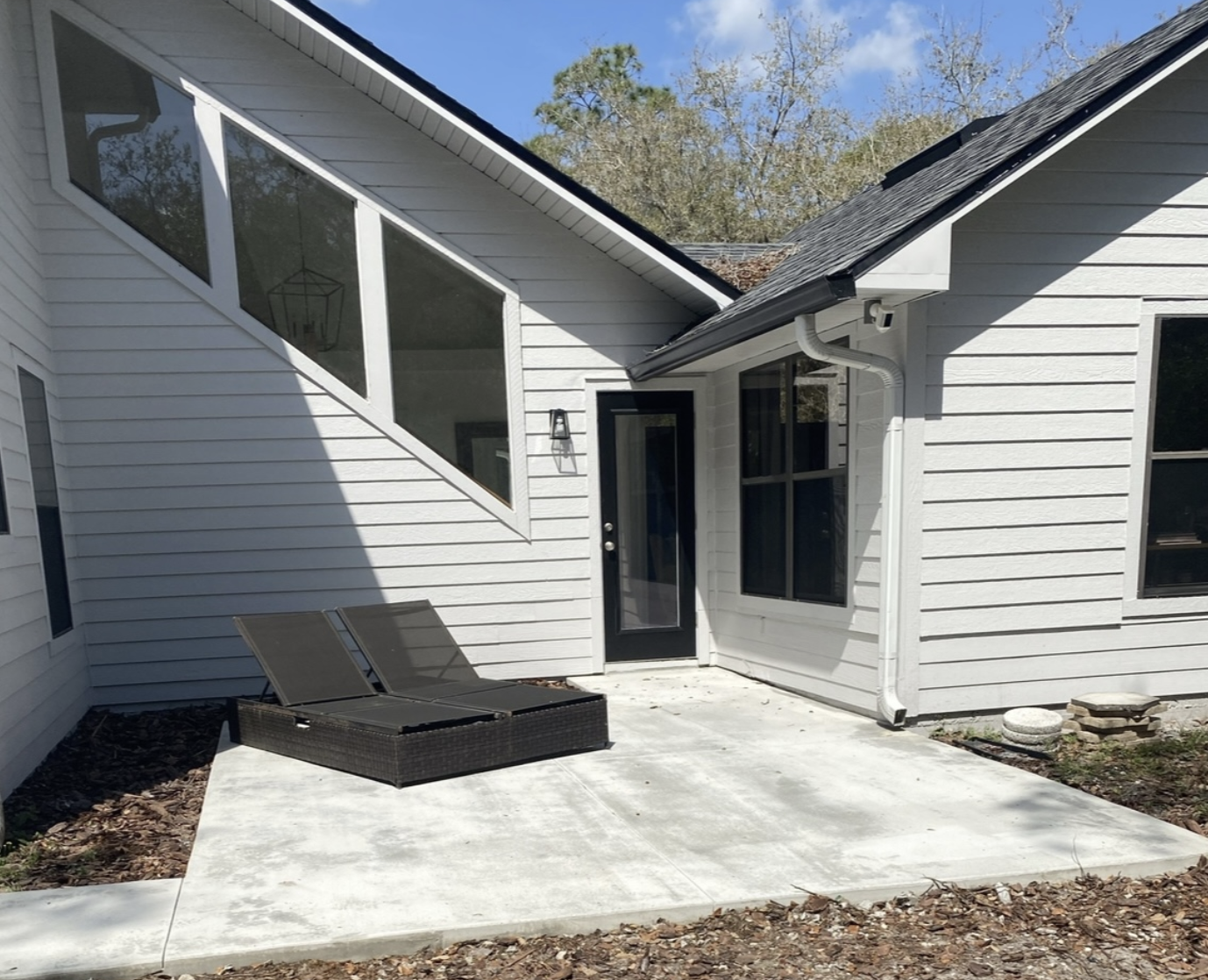
How Heavy Rain and Poor Drainage Destroy Concrete in Orlando

How Heavy Rain and Poor Drainage Destroy Concrete in Orlando

Table of Contents

Concrete surfaces across Central Florida face an ongoing battle against intense tropical downpours and high-volume summer storms. While homeowners often view a concrete driveway installation or a concrete patio installation as an indestructible, permanent structural upgrade, water acts as a silent catalyst for rapid material degradation. When heavy rain affects concrete without a proper runoff strategy, the structural integrity of the entire slab is compromised from the upper finished surface down to the supporting foundation. Failing to address these moisture dynamics leads directly to premature cracking, shifting, and costly structural failures that destroy your property’s curb value.

To protect your investments, you must understand that the interaction between severe weather and concrete curing or aging requires engineered intervention. The sandy yet clay-heavy soils characteristic of the Orlando landscape create a highly volatile environment when subjected to sudden, torrential water accumulation. Professional concrete contractors emphasize that water must be systematically directed away from structural slabs to prevent catastrophic surface and subgrade failures. 

Why Drainage Is Critical for Concrete

Proper moisture management is the single most critical factor determining the lifespan and structural stability of any exterior slab installation. When a professional concrete contractor designs a driveway or patio, they are not just pouring material; they are calculating how improper grading and concrete runoff will interact with the local environment. 

Over time, this constant waterlogging triggers severe concrete surface erosion, stripping away the smooth finish and exposing the coarse aggregate underneath. 

  • Prevents Subgrade Erosion: Proper drainage ensures that high-velocity rainwater cannot channel along the edges of the slab and wash away the critical supporting soil underneath.
  • Eliminates Hydrostatic Pressure: Directing water away prevents clay-heavy soils from swelling and exerting intense upward force against the bottom of the concrete structure.
  • Stops Sinking and Settling: Keeping the foundation dry eliminates the risk of sinking concrete sections and the formation of uneven, hazardous structural drops.
  • Mitigates Freeze-Thaw Risks: Although rare in Orlando, managing moisture prevents rare freezing temperatures and concrete cracks from splitting the porous material apart.
  • Protects Adjacent Foundations: Effective runoff management ensures that water shedding off the concrete does not pool against your home’s primary structural foundation.

Ultimately, investing in robust drainage infrastructure is not an optional add-on but a foundational requirement for any concrete project. By controlling the path of water, you directly eliminate the primary environmental threat that causes concrete slab cracking and erosion. Working with qualified experts to establish clean lines of runoff will safeguard your driveways, sidewalks, and patios for decades.

Signs of Poor Drainage Around Concrete

Property owners must maintain a vigilant eye for the subtle warning signs that indicate water is winning the battle against their hardscaping. Poor drainage around concrete structures manifests early through visible alterations in soil behavior, surface discoloration, and minor shifting along the joints of the slab. 

When water is allowed to sit stagnant against the perimeter of a driveway or patio, it alters the load-bearing capacity of the earth beneath, setting off a chain reaction of structural movement. Ignoring these early indicators guarantees that minor, easily correctable pooling issues will rapidly evolve into severe structural failures across your entire property.

1. How Rain Affects Concrete Surfaces

The destructive impact of rainfall begins the exact moment water comes into contact with an unprotected or improperly sloped concrete surface. During a heavy downpour, water pooling across the slab forces moisture into the material’s microscopic pores, accelerating the breakdown of the top finishing layer. 

If this occurs during the concrete curing process, rainwater weakens the chemical hydration mix, leaving the surface soft, powdery, and highly susceptible to immediate concrete surface erosion. 

2. The Ground Beneath Matters

The ultimate stability of any concrete driveway installation, Orlando project relies completely on the condition of the subgrade soil directly beneath the pour. Intense rain events cause rapid soil erosion under concrete when water penetrates the perimeter and creates fast-moving underground channels that wash away sand and dirt. 

In regions dominated by clay-heavy soils, concrete pressure spikes dramatically as the clay absorbs water, expands rapidly, and physically lifts the heavy concrete slabs out of alignment. Once the rain stops and the clay dries out, it shrinks back down, leaving massive underground voids that offer zero structural support for the heavy concrete sections above.

3. Signs of Rain-Related Concrete Damage

Identifying rain-related concrete damage before it requires total demolition involves watching for distinct patterns of structural failure across your property. The most common indicators include sunken driveways and sidewalks where individual slabs have severed their connections and dropped several inches below the original grade line. 

You will also notice distinct concrete slab settling and shifting, which creates uneven trip hazards and causes long, deep structural cracks to tear through the center of the panels. 

Effects of Heavy Rainfall on Concrete and Soil

Heavy rain events exert massive mechanical and chemical stress on both external concrete structures and the foundational earth supporting them. When torrential downpours saturate the ground, they cause immediate soil erosion under concrete, stripping away the tightly compacted sand and dirt that stabilizes the heavy slabs. In regions with clay-heavy soils, concrete pressure spikes dramatically because the clay absorbs water and expands, forcefully pushing the concrete upward before shrinking back down as it dries. 

This cyclical shifting and lack of uniform support leads directly to concrete slab settling and shifting, causing deep structural fractures to propagate across the surface. Over time, unmanaged environmental moisture triggers widespread concrete slab cracking and erosion, transforming smooth surfaces into fragmented, hazardous zones. 

Measures to Prevent Rainfall Damage

Implementing strategic preventative steps for concrete damage is the most effective way to safeguard your property from the destructive nature of severe stormwater. Property owners must invest in comprehensive home drainage improvements, including the installation of French drains, catch basins, and extended downspouts to steer water away from structural slabs. 

Additionally, executing a regular concrete sealer application creates an impermeable chemical barrier that prevents moisture from soaking into the material’s porous matrix and causing surface erosion. 

Addressing Existing Issues

When structural failure has already manifested across your property, immediate corrective actions must be taken to restore the slab’s foundational integrity. Professional concrete repair techniques can quickly reverse the dangers of sinking concrete sections by utilizing advanced mudjacking or polyurethane foam injections to fill underlying voids. 

These specialized leveling compounds lift the dropped concrete back to its original position while providing critical subgrade stabilization to prevent future shifting. If you notice persistent water pooling after minor storms, the surrounding soil must be regraded to eliminate low spots and establish clean runoff paths. 

Partner with Experts to Protect Your Investment

Navigating the complexities of soil mechanics and hydraulic pressure requires the seasoned eye of certified professional concrete contractors. When planning a high-stakes project like a concrete driveway installation in Orlando or a complex concrete patio installation, partnering with local specialists ensures the job is engineered to withstand tropical downpours. 

A vetted Central Florida concrete contractor understands how to manage the unique regional soil compositions, ensuring proper compaction and grading are executed before any cement is poured. 

Why Water Becomes a Threat to Concrete

External concrete slabs appear solid, but their porous microstructure makes them highly vulnerable to water penetration and subsequent mechanical failure. When a property lacks efficient drainage, heavy rain affects concrete by settling into microscopic pores, slowly dissolving the paste that binds the structural aggregate together. 

This continuous saturation leads to rapid concrete surface erosion, which creates a rough, pitted texture and destroys the clean appearance of rounded concrete profiles. When moisture is trapped inside the slab during seasonal temperature drops, freezing temperatures, and concrete cracks occur due to the internal hydraulic pressure of expanding water. 

How Poor Drainage Damages Concrete

A concrete slab is only as stable as the soil beneath it and the drainage systems surrounding its perimeter. When a property lacks proper water runoff management, heavy rain affects concrete by oversaturating the ground and pooling directly against the edges of the structure. This continuous moisture accumulation triggers rapid subgrade failure, leading to severe concrete slab settling and shifting as the underlying soil loses its load-bearing capacity. 

Over time, unmanaged water infiltration transforms minor surface blemishes into deep, structural concrete slab cracking and erosion. If poor drainage is left unchecked, homeowners are forced to deal with sinking concrete sections that destroy property value and create immediate safety hazards. 

1. Soil Erosion Beneath the Slab

Persistent water accumulation quickly leads to devastating soil erosion under concrete, stripping away the foundational earth that supports the heavy material. When torrential storms dump high volumes of water, the runoff cuts channels beneath the slab, creating hollow underground voids.

 Lacking a solid base to rest upon, the heavy concrete begins to sag and snap under its own weight or under vehicular traffic. This mechanical failure is the leading cause of sunken driveways and sidewalks across areas with loose or poorly compacted sandy soils.

2. Cracks and Surface Breakdowns

When water has no clear escape route, it forces its way into the porous matrix of the concrete, initiating structural breakdowns. The constant pressure of trapped moisture weakens the internal bonds of the material, which accelerates the appearance of deep fissures. 

In regions experiencing sudden seasonal temperature drops, freezing temperatures, and concrete cracks become inevitable as the trapped moisture expands and tears the slab apart from within. This destructive cycle continuously widens existing fractures, turning minor cosmetic lines into catastrophic structural splits.

3. Spalling and Flaking

Unmanaged rainwater sitting on a slab causes extensive concrete surface erosion, which presents as ugly flaking, pitting, and scaling. This superficial breakdown often starts during installation if the concrete curing process rainwater interaction is completely unmanaged, leaving the top layer weak and powdery. Over time, heavy traffic strips away this compromised top layer, exposing the coarse stones and aggregate hiding underneath the smooth finish. 

4. Structural Pressure on Foundation Walls

In areas characterized by expansive, clay-heavy soils, concrete pressure spikes dramatically whenever water pools near structural foundations. The clay absorbs massive amounts of rainwater, swelling in size and exerting immense lateral and upward hydraulic force against adjacent concrete slabs and foundation walls. 

This intense shifting creates a highly volatile, weakened support structure that compromises the stability of the entire home. When the soil eventually dries and shrinks, it leaves massive gaps that invite even more water infiltration during the next storm.

5. Mold, Mildew, and Musty Odors

A direct consequence of constant water pooling and improper grading, concrete runoff failures is the rapid growth of organic contaminants. Stagnant water trapped on or alongside concrete patios and driveways creates the perfect breeding ground for mold, slick green algae, and deep mildew stains. 

These growths do not just ruin the visual appeal of your hardscaping; they also create slippery hazards and emit foul, musty odors. Over time, the roots of these organisms penetrate the concrete pores, accelerating surface pitting and long-term material decay.

How to Fix Poor Drainage Around Concrete

Resolving drainage issues requires a proactive approach that targets both water redirection and subgrade stabilization. Professional concrete contractors emphasize that you must permanently alter how water flows across your property to protect your structural slabs. By correcting surface slopes and installing dedicated drainage infrastructure, you stop water from pooling and penetrating the concrete matrix. 

Implementing these preventative steps for concrete damage early will save you thousands of dollars in demolition and re-pouring costs. Partnering with a specialized Central Florida concrete contractor ensures that your drainage systems are engineered specifically for high-volume storm events and volatile soil conditions.

  • Apply a Concrete Sealer: A regular concrete sealer application creates an impermeable barrier that keeps water from soaking into the material’s pores. This simple step is one of the most effective concrete maintenance tips to prevent surface erosion and cracking.
  • Install French Drains: Placing perforated drainage pipes in gravel trenches along your slabs effectively catches and redirects subsurface water away from the structure. This system eliminates the risk of high-velocity runoff causing soil erosion under concrete.
  • Correct the Ground Grading: Adjusting the slope of the surrounding landscape ensures that rainwater naturally flows away from your driveways and patios. Fixing improper grading and concrete runoff issues prevents water from pooling against the edges of the slab.
  • Perform Subgrade Stabilization: If the ground beneath your concrete has washed away, professionals can inject specialized mixtures to reinforce the base. This process restores a weakened support structure and prevents future slab settling and shifting.
  • Utilize Professional Concrete Repair: For slabs that have already dropped, techniques like polyurethane foam injection can lift sinking concrete sections back to their original height. This quickly fixes sunken driveways and sidewalks without requiring a total demolition.

Conclusion

Protecting your exterior hardscaping from the destructive forces of Central Florida’s climate requires a permanent shift from reactive patching to proactive water management. Ignoring the early signs of poor drainage guarantees that torrential tropical storms will systematically compromise your property through severe soil erosion under concrete and volatile subgrade shifts. Implementing crucial preventative steps for concrete damage—such as correcting low slopes, clearing runoff paths, and maintaining a strict concrete sealer application routine—is the only definitive way to halt structural decay. 

Ultimately, long-term structural durability is achieved by combining smart drainage engineering with the technical skill of qualified professional concrete contractors. Whether you are investing in a brand-new concrete driveway installation or attempting to stabilize existing sinking concrete sections, foundational preparation determines your layout’s lifespan. Partnering with an experienced concrete contractor ensures your installations feature proper grading, precise mix protection during the concrete curing process, rainwater windows, and robust subsurface stability.

FAQS

Does it rain a lot in Orlando, FL?

Orlando experiences significant rainfall, averaging around 50 to 55 inches per year, with a highly concentrated summer monsoon season. The region is notorious for sudden, torrential afternoon downpours that can drop massive volumes of water in a very short timeframe.

Can you save a concrete slab after it gets rained on?

Yes, a fresh slab can be saved if the rain occurs after the concrete has achieved its initial set, usually 4 to 8 hours after pouring. If heavy rain hits earlier, you must quickly cover it with plastic sheeting to prevent water from diluting the mix and ruining the surface finish.

Does concrete absorb rain?

Concrete is a naturally porous, sponge-like material that easily absorbs rainwater through a vast network of microscopic capillaries. This absorption is why a regular concrete sealer application is essential to block water entry and prevent long-term structural erosion.

How long does a concrete slab need to dry before rain?

A newly poured slab ideally needs at least 4 to 8 hours to achieve initial hardening before it can withstand a light rain without surface damage. For heavy, torrential downpours, the concrete should ideally cure uninterrupted for a full 24 hours to ensure structural integrity.

Does concrete cure better in hot or cold weather?

Concrete cures best in moderate, controlled temperatures between 10°C and 24°C, as extreme heat dries the mix too fast and freezing temperatures halt the chemical hydration process entirely. While hot weather accelerates early strength, it often results in a weaker overall slab with a high risk of shrinkage cracks.

Professional Concrete Services in Orlando, FL

Accu-Krete provides reliable concrete installation, repair, decorative concrete, patios, driveways, and sidewalk solutions for homeowners and businesses across Orlando and nearby areas.

Our Concrete Services

Areas We Serve