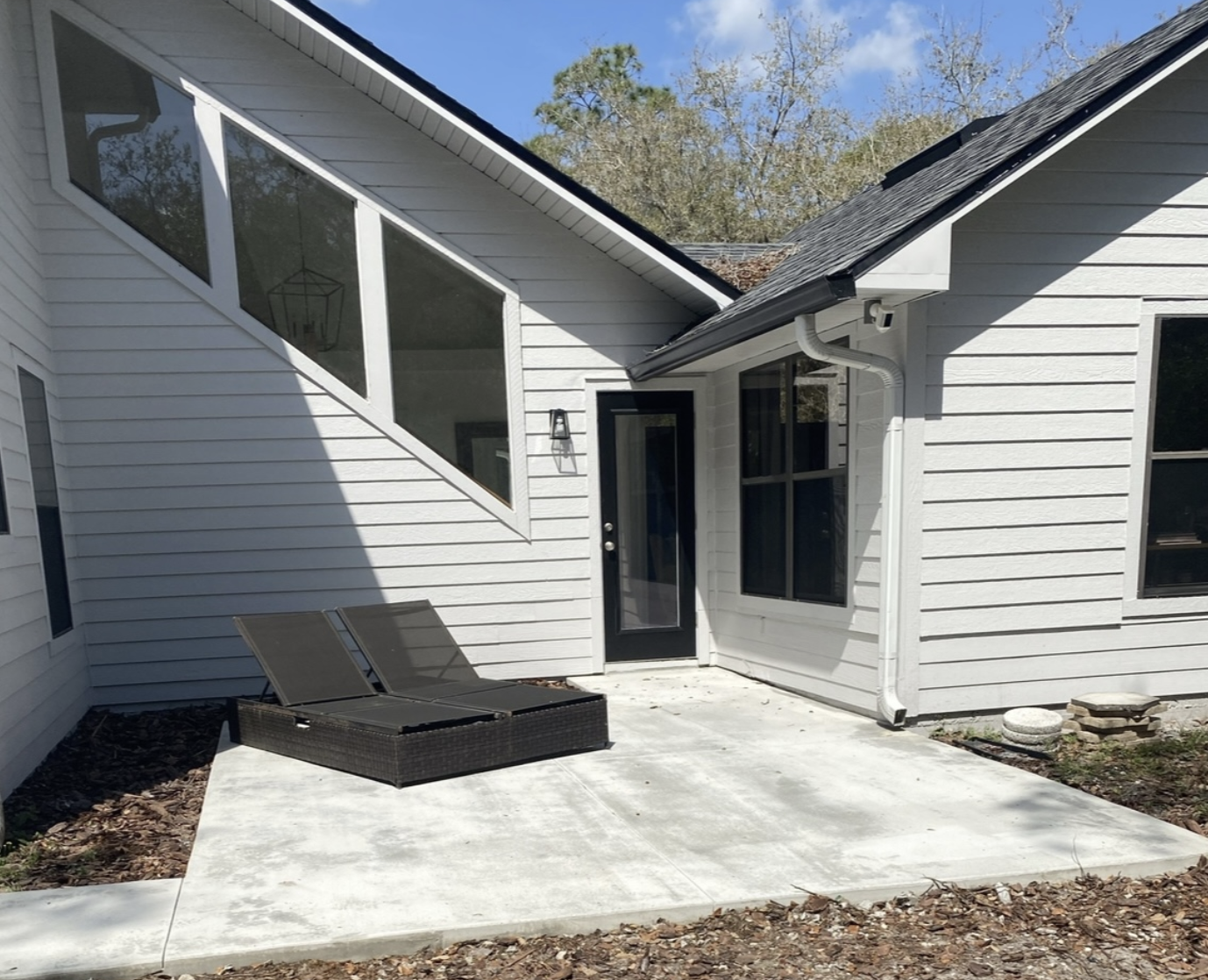
Concrete is frequently mischaracterized as an inert, static monolith. In reality, it operates as a dynamic, porous material highly sensitive to environmental thermodynamics. In environments characterized by intense solar radiation and cyclical thermal loading—such as Orlando’s climate—concrete structures undergo continuous physical and chemical stress. The persistent oscillation between extreme daytime thermal absorption and nighttime cooling creates structural fatigue that compromises structural integrity over multi-year cycles.
While regional differences exist, comparing these coastal, high-humidity effects with Colorado’s unique climate reveals a shared vulnerability: subgrade assets are inherently prone to environmental failure if left unmanaged. Whether dealing with high ambient humidity or drastic high-altitude diurnal temperature swings, local environmental factors dictate the rate of structural breakdown. This article breaks down the exact mechanics behind this deterioration and addresses the standard engineering practices required for structural mitigation.
What Florida’s Sun Does to Existing Concrete
The continuous exposure of existing concrete to intense solar radiation initiates a multi-layered degradation process that alters both the surface matrix and the internal chemistry of the slab. When infrastructure is subjected to prolonged summer heat and sun, the material undergoes severe thermal gradients where the top surface temperature can exceed ambient air temperatures by over 30°F. This localized heating causes differential volume changes within the slab, placing massive mechanical strain on the internal microstructure.
The Mechanism of Thermal Expansion and Internal Stress
At the molecular level, temperature elevation drives expansion and contraction cycles. As the upper layer of the slab expands under intense solar radiation, the lower, shaded zones remain cooler and expand at a lower rate.
This differential rate of expansion generates internal tensile stresses. Because concrete exhibits high compressive strength but notoriously low tensile strength, these internal stresses inevitably lead to macro and micro-structural failures when the material’s structural capacity is breached.
The Nighttime Contraction Trap and Micro-Fractures
When the sun sets, the thermal dynamic reverses. Rapid cooling causes the surface layer to contract against the still-warm internal core. This cyclical reversal functions as a mechanical trap. The continuous cycle of daytime expansion and nighttime contraction breaks down the paste-aggregate bond over time. The result is the formation of micro-fractures that spiderweb through the matrix, steadily reducing the load-bearing capacity of the asset.
UV Degradation and Protective Sealant Breakdown
Beyond thermal kinetics, solar radiation delivers destructive UV exposure / UV rays that directly attack surface chemistry. Topically applied sealants/sealers are designed to safeguard the slab from moisture intrusion. However, unmitigated UV radiation breaks down the molecular bonds of these protective polymers. As the protective barrier degrades, the raw concrete surface becomes porous and exposed, leaving it highly vulnerable to moisture entry and subsequent structural erosion.
How Humidity and Heat Cycles Accelerate Degradation
The presence of moisture fundamentally changes the mechanics of concrete degradation. When high relative humidity combines with high thermal loads, the water trapped within the concrete’s capillary network undergoes rapid changes in physical state, accelerating structural failure.
Subsurface Vapor Pressure and Concrete Spalling
When standing or absorbed moisture within a slab is heated by solar radiation, it converts into water vapor. Trapped beneath the dense surface matrix, this vapor generates significant subsurface vapor pressure. If the rate of evaporation is blocked by an improper water-to-cement ratio or failing topical treatments, the internal pressure pushes outward against the concrete face.
This process results in scaling/spalling/chipping, where the finished surface fractures away from the main body of the slab, exposing the rough aggregate underneath.
- Technical Note on Newly Poured Concrete: If a slab suffers from rapid evaporation during its initial curing process, the hydration reaction is cut short. This lack of proper hydration permanently restricts the structural strength of the concrete, making it highly susceptible to surface cracking and premature scaling throughout its operational life.
Soil Instability and Subgrade Erosion
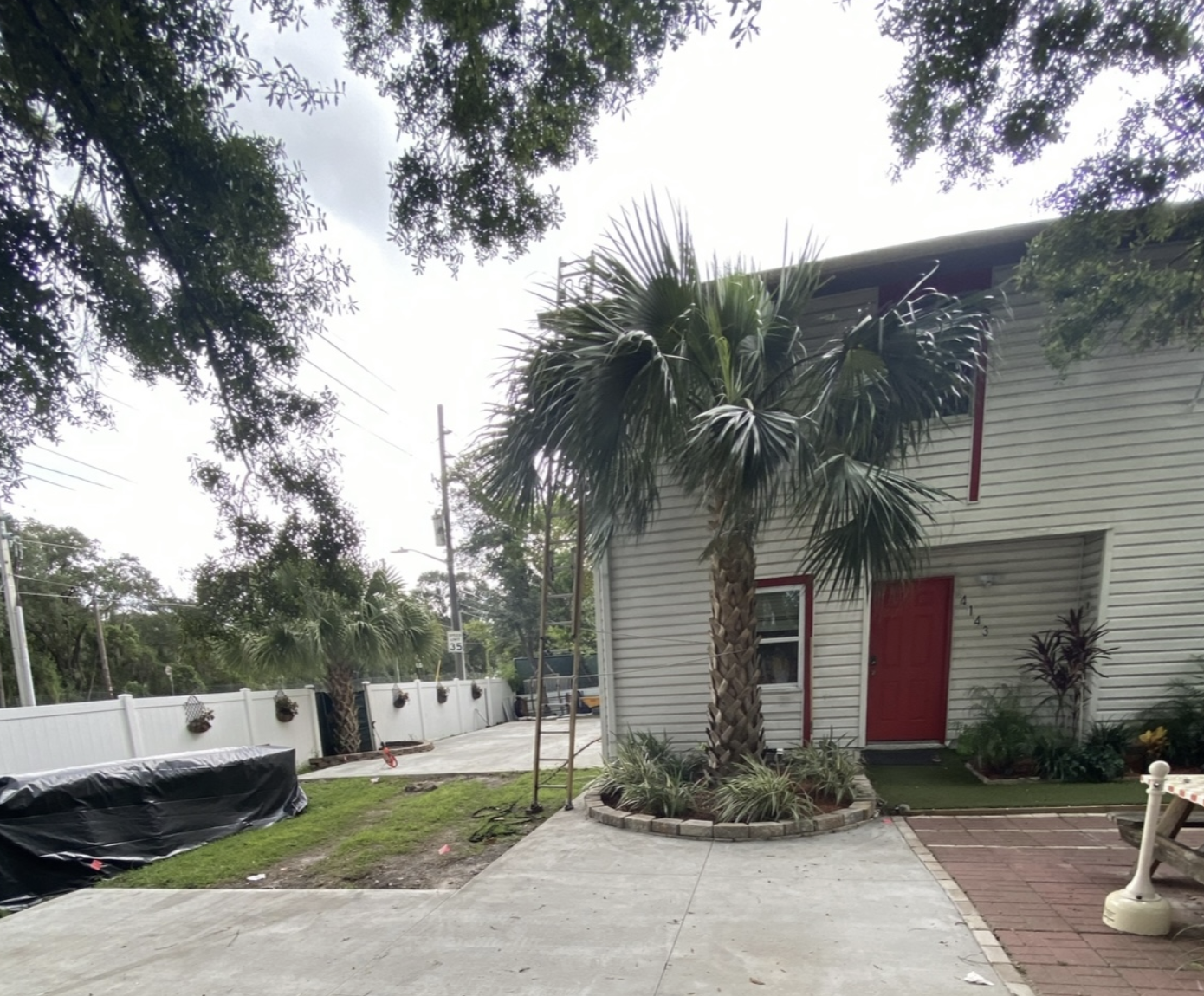
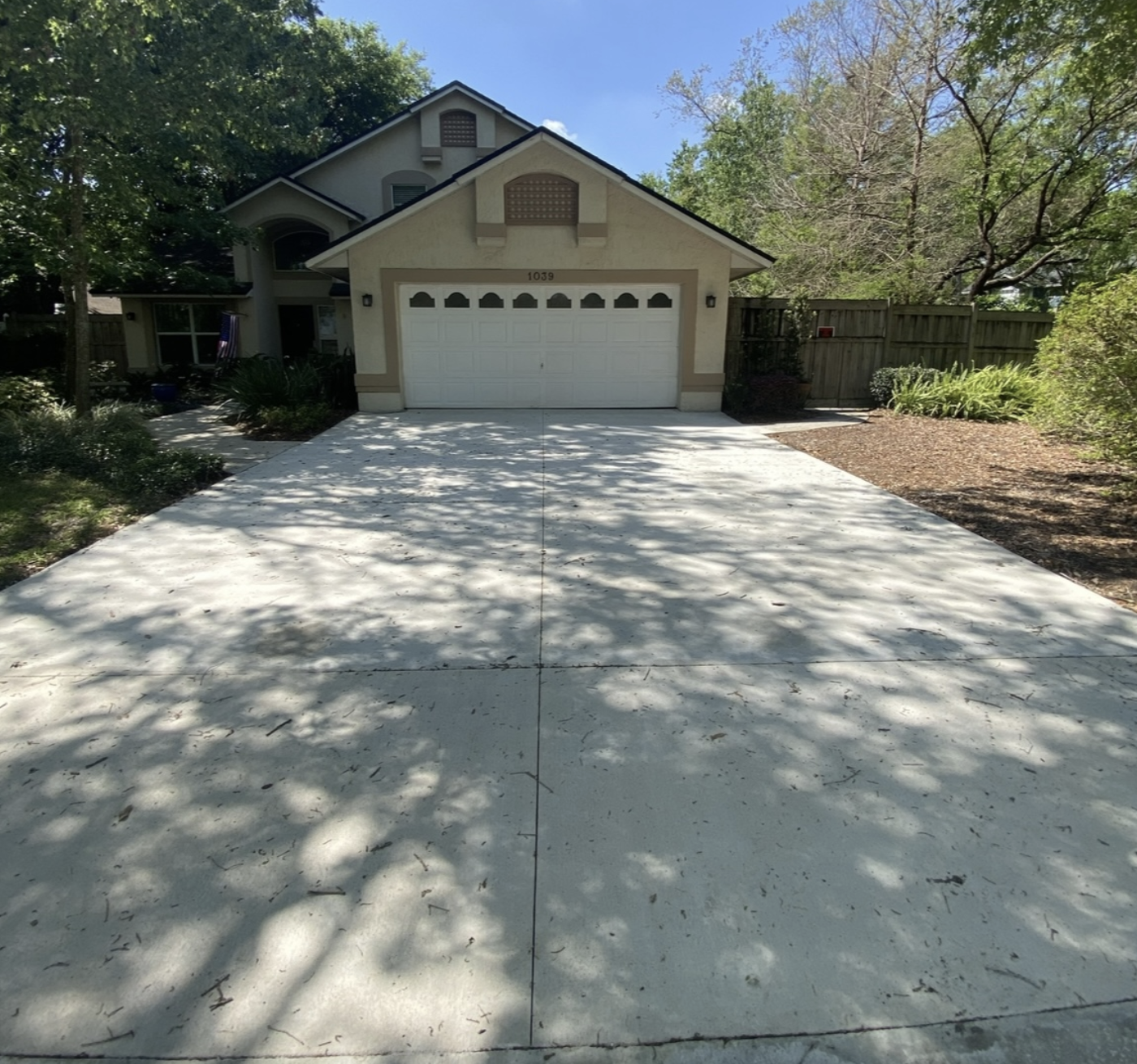
The destructive effects of heat and moisture cycles are not limited to the slab itself; they also compromise the underlying subgrade. Intense heat causes rapid dry-out and soil shrinkage/settlement, pulling critical support away from the structure. When heavy rains follow, water flows into these newly formed voids, washing away fine particles and causing subgrade erosion. This loss of uniform support leads to localized failures, causing sinking slabs / uneven sections across infrastructure assets—including any standard driveway, patio, sidewalk, or garage floor.
How Heat Affects Newly Poured Concrete
High ambient temperatures combined with direct solar radiation fundamentally alter the chemical kinetics of hydration. When concrete is placed in extreme heat, the rate of cement hydration accelerates dramatically, forcing the material to set before it can develop its intended crystalline structure.
This acceleration compromises the overall workability of the mix, leading to rapid slump loss and forcing field crews to add excess water on-site—a practice that permanently degrades the final compressive strength and density of the structure.
Rapid Evaporation and the “Flash Set” Risk
When the ambient temperature rises, the rate of moisture loss from the exposed surface often exceeds the rate at which bleed water rises to the top of the slab. This imbalance triggers a premature hardening known as a flash set. During a flash set, the cement paste stiffens rapidly without achieving proper structural hydration, trapping internal stresses and leaving the matrix highly susceptible to premature structural failure under minimal loading conditions.
Plastic Shrinkage Cracking on the Surface Layer
Plastic shrinkage occurs while the concrete is still in its plastic state before it has attained any significant tensile strength. High winds, low relative humidity, and intense heat cause rapid evaporation from the surface layer. As the surface dries, it contracts rapidly against the unyielding, wet concrete beneath it. This differential volume change creates localized tensile stresses that pull the surface apart, resulting in a network of jagged, shallow fissures.
- Micro-Fracture Development: These surface cracks severely compromise the aesthetics and durability of the finished product.
- Moisture Path Ingress: The resulting fissures act as open pathways for water, chemicals, and chlorides to penetrate deep into the slab.
- Subsurface Vulnerability: Over time, this ingress accelerates the deterioration of internal reinforcement and undermines the structural integrity of any standard driveway, patio, sidewalk, or garage floor.
Pouring Concrete the Right Way Heat
Managing hot-weather concrete placement requires a shift from passive finishing to active environmental mitigation. To prevent rapid evaporation and guarantee proper long-term structural capacity, specific engineering protocols must be implemented before, during, and immediately after the pour.
Strategic Scheduling and Morning Pours
The most effective way to combat extreme thermal gradients is to control the time of placement. Scheduling pours during the early morning hours ensures that the concrete is placed and finished before ambient temperatures and solar radiation reach their peak. This timing keeps the base material and subgrade cool, preventing the subgrade from absorbing critical mixing water from the bottom of the slab while the sun bakes it from the top.
Advanced Mix Design Optimization and Retarding Admixtures
Standard mix designs fail when subjected to extreme heat. To maintain a workable slump without modifying the critical water-to-cement ratio, producers utilize chemical retarding admixtures. These admixtures temporarily slow down the initial hydration process, extending the setting time and allowing ample opportunity for proper placement and finishing. Additionally, replacing a portion of the Portland cement with supplementary cementitious materials (SCMs) like fly ash or slag lowers the heat of hydration, reducing internal thermal stress.
Active Moisture Retention Strategies During Curing
Curing is the most critical phase of hot-weather concreting. If hydration is cut short by rapid dry-out, the concrete will never achieve its design strength. Contractors must apply strict moisture retention protocols immediately following the final finishing operations:
- Continuous Wet Curing: Utilizing saturated burlap mats covered with plastic sheeting ensures a constant supply of moisture, allowing the hydration reaction to continue uninterrupted.
- Liquid Membrane-Forming Compounds: Applying a high-efficiency curing sealer immediately after finishing seals the surface, blocking water vapor from escaping.
- Subgrade Pre-Wetting: Dampening the subgrade and forms prior to placement prevents dry soil from sucking moisture out of the newly poured concrete matrix.
- Evaporation Retarders: Spraying specialized monomolecular films across the plastic concrete surface during finishing temporarily reduces surface evaporation, buying time for crews to complete their work without adding water.
Simple Ways to Protect Your Concrete in the Summer
While environmental factors like high heat and intense UV exposure work to break down infrastructure over time, property owners can significantly extend the lifespan of their assets with targeted, proactive maintenance. Protecting concrete during the summer months does not require heavy machinery or costly excavation; instead, it relies on simple, strategic surface and joint management to block moisture ingress and accommodate natural thermal movement.
Applying High-Grade Penetrating Silane
Topical sealants act as the first line of defense against both solar radiation and water penetration. Unlike topical acrylic coatings that sit on top of the slab and quickly degrade under intense UV rays, a high-grade penetrating silane or siloxane sealer chemically bonds within the concrete’s pores.
This hydrophobic barrier allows the material to remain breathable—meaning subsurface vapor pressure can still escape—while completely blocking liquid water from entering. Applying this protection before the peak of summer ensures that rain and humidity cannot exploit the porous matrix of your driveway, patio, or sidewalk.
Maintaining and Clearing Expansion Joints
Concrete must be allowed to move. Because summer heat drives the physical expansion of the slab, functioning expansion joints are critical to prevent localized crowding and structural cracking. Over time, these joints become packed with incompressible debris like dirt, rocks, and sand.
When the concrete tries to expand against this packed debris, it creates massive localized compressive stress, leading to spalling and fracturing along the joint edges. Regularly clearing out these channels and sealing them with a flexible, polyurethane-based joint sealant allows the slabs to expand and contract naturally without damaging each other.
Regular Inspections and Early Crack Sealing
Minor surface defects can quickly escalate into severe structural liabilities if left unaddressed during high-heat cycles. Conducting a thorough visual inspection at the start of the summer allows property owners to catch micro-fractures before they widen. Sealing these small cracks immediately with a high-quality elastomeric filler prevents rainwater from penetrating the concrete matrix and reaching the subgrade.
Keeping water out of the subgrade stops the cycle of soil shrinkage and erosion that eventually causes sinking slabs and uneven sections. Ultimately, addressing these minor issues early preserves subgrade stability and prevents the formation of abrupt vertical shifts, eliminating dangerous trip hazards across garage floors, walkways, and patios.
Conclusion
The structural integrity of concrete assets depends on continuous surface protection and proactive subgrade maintenance. Left unchecked, seasonal thermal expansion and intense UV degradation will compromise the aggregate matrix and erode foundational soils. Implementing targeted engineering solutions, such as penetrating sealants and timely crack fills, permanently halts this deterioration cycle.
Prioritizing early intervention protects standard driveways, patios, and walkways from irreversible spalling and deep structural failure. Professional stabilization methods eliminate shifting subgrades and costly replacement liabilities. Property owners who execute these simple maintenance steps secure long-term durability and completely mitigate dangerous safety hazards.
FAQS
How does heat affect concrete?
Heat accelerates the chemical hydration process, which forces newly poured concrete to set prematurely and lose structural workability. For existing slabs, high thermal gradients cause uneven expansion between the hot surface and the cooler core, generating severe internal tensile stresses.
What temperature destroys concrete?
Concrete experiences critical structural destruction when internal temperatures reach approximately $400^\circ\text{C}$ ($752^\circ\text{F}$), as the calcium silicate hydrate (C-S-H) gel begins to dehydrate and lose its binding capability. Beyond $600^\circ\text{C}$ ($1112^\circ\text{F}$), the chemical decomposition of the cement paste is complete, causing the material to lose all compressive strength and completely disintegrate.
How hot is too hot for concrete?
During the mixing and placement phase, an ambient temperature above $32^\circ\text{C}$ ($90^\circ\text{F}$) is considered too hot because it triggers rapid water evaporation and a severe “flash set” risk. For mature, hardened concrete, operational exposure to sustained temperatures exceeding $93^\circ\text{C}$ ($200^\circ\text{F}$) is too hot, as it initiates long-term reduction in compressive strength.
Can heat break concrete?
Yes, intense thermal cycles create continuous expansion and contraction that breaks down the aggregate-paste bond, producing a network of micro-fractures. Additionally, trapping moisture under high heat creates subsurface vapor pressure that violently forces the finished surface to fracture, scale, and spall.
Does concrete degrade over time?
Yes, concrete naturally degrades over multi-year cycles due to persistent environmental thermodynamics, UV radiation, and shifting subgrades. Intense solar exposure breaks down surface sealants, while moisture intrusion and soil shrinkage ultimately lead to sinking, uneven slabs.
What is the maximum temperature for concrete?
The maximum recommended placement temperature for fresh concrete is $35^\circ\text{C}$ ($95^\circ\text{F}$) to ensure proper hydration and prevent structural surface cracking. For hardened structural concrete in service, the absolute maximum long-term temperature limit is typically $65^\circ\text{C}$ ($150^\circ\text{F}$) to avoid accelerating structural degradation.
Professional Concrete Services in Orlando, FL
Accu-Krete provides reliable concrete installation, repair, decorative concrete, patios, driveways, and sidewalk solutions for homeowners and businesses across Orlando and nearby areas.