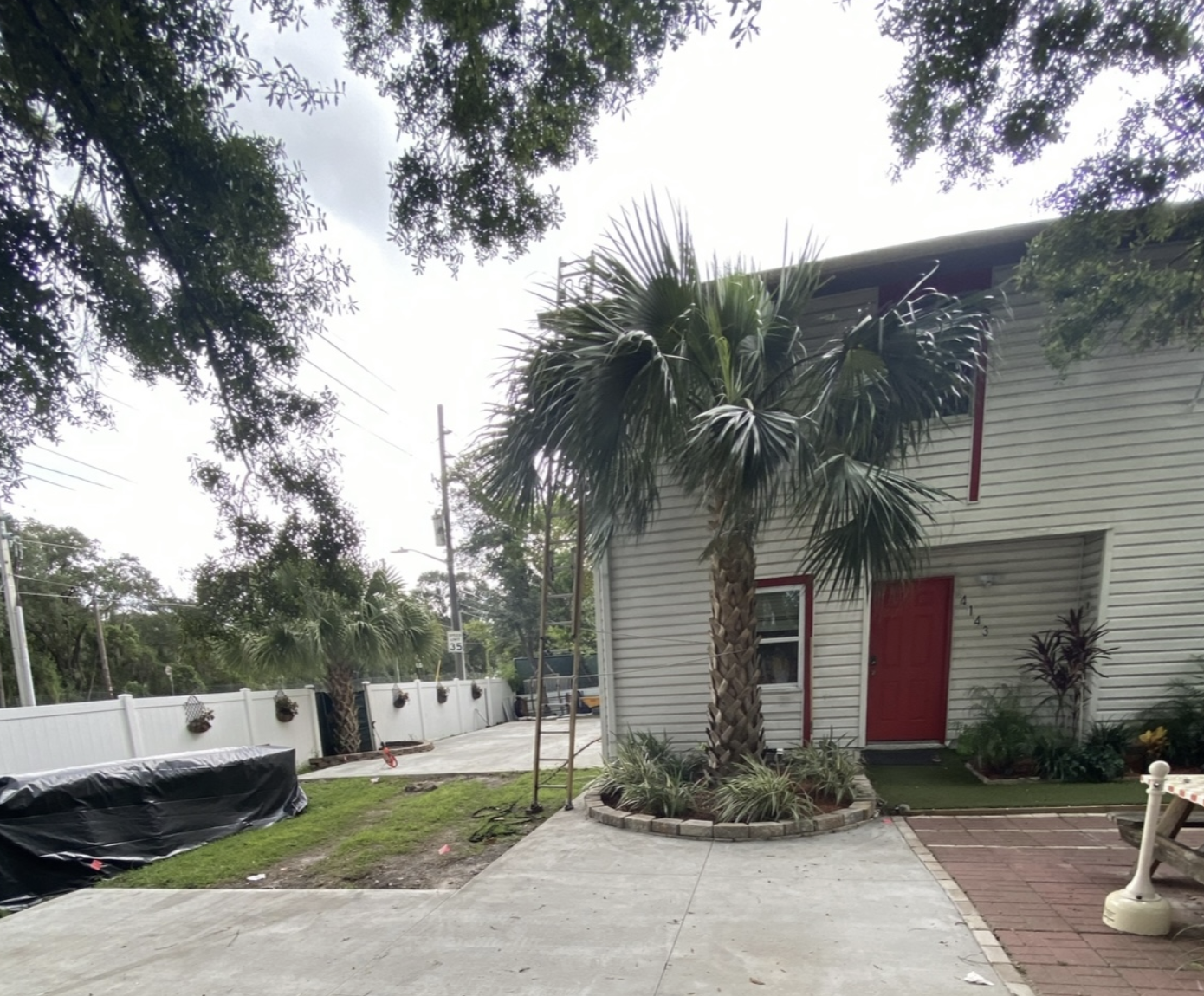
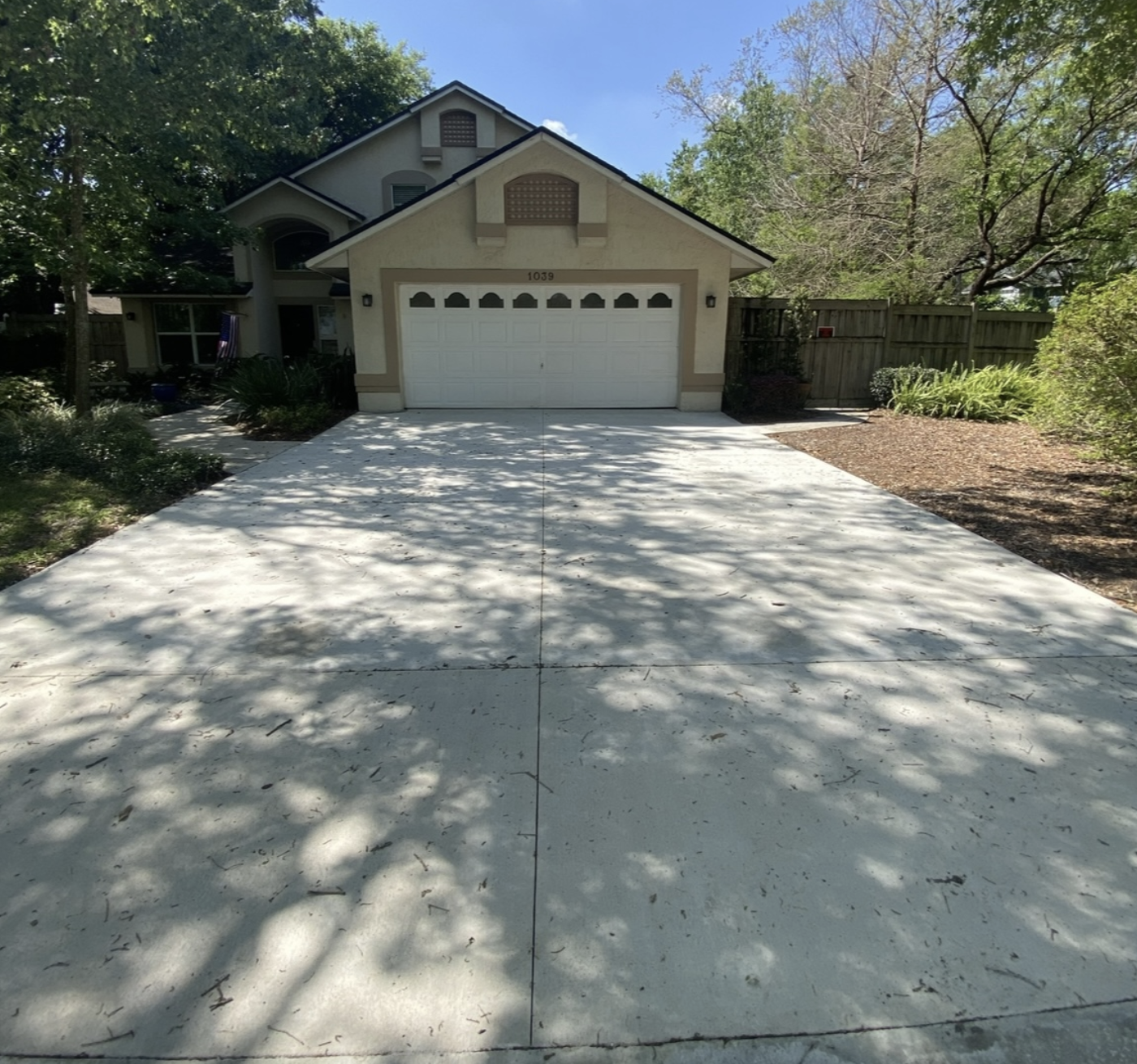
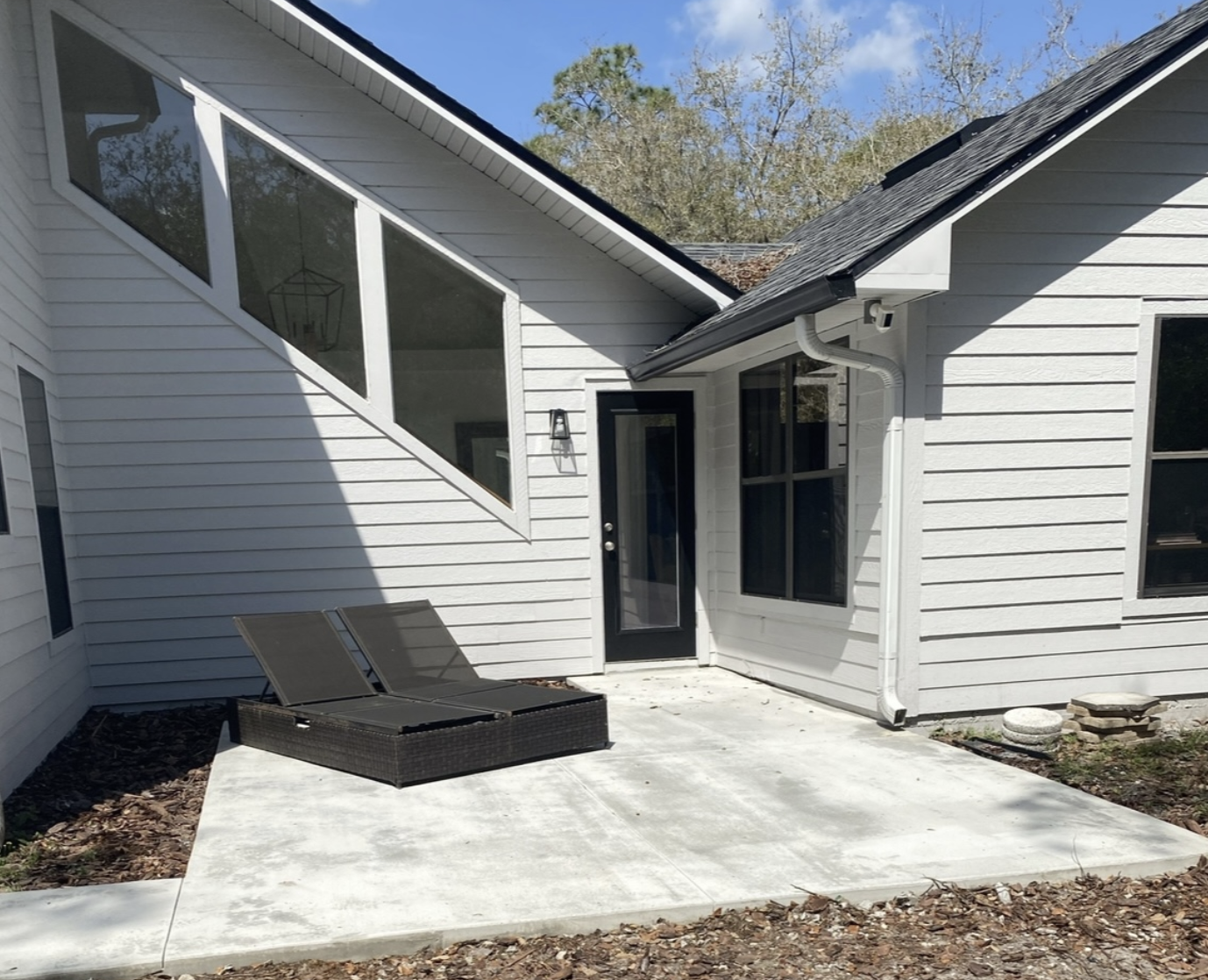
A concrete sidewalk is widely valued for its strength, durability, and long-lasting performance. On average, a properly installed sidewalk can last between 25 and 40 years, and in many cases even longer with the right care. It provides a smooth, safe, and reliable walking surface for homes, businesses, and public spaces while also enhancing overall curb appeal.
The lifespan of a concrete sidewalk mainly depends on installation quality, soil conditions, drainage, and regular maintenance. When cracks are repaired early and the surface is properly sealed, its durability increases significantly. On the other hand, poor base preparation, heavy loads, and water damage can reduce its life. With simple upkeep, a concrete sidewalk can remain strong and functional for decades.
The Average Lifespan of a Concrete Sidewalk
A concrete sidewalk is known for its long-lasting performance when it is properly installed and maintained. On average, most concrete sidewalks last between 25 and 50 years, depending on environmental and structural conditions.
Residential sidewalks often last longer because they experience lighter foot traffic compared to commercial or public walkways. However, factors like weather exposure, soil stability, and drainage can significantly influence the actual lifespan.
- Installation Quality: Proper mixing, finishing, and curing improve long-term strength.
- Sub-Base Strength: A well-compacted base prevents sinking and cracking.
- Climate Conditions: Freeze-thaw cycles can weaken concrete over time.
- Drainage System: Poor drainage increases moisture damage and erosion.
- Usage Load: Heavy traffic or vehicle load can reduce durability.
A concrete sidewalk’s lifespan is not fixed and depends heavily on how well it is built and maintained. With proper care and environmental protection, it can remain strong and functional for several decades without major issues.
Key Factors That Determine How Long a Concrete Sidewalk Lasts
Several factors influence how long a sidewalk will remain structurally sound and visually appealing. Understanding these variables helps property owners make informed decisions during installation and maintenance.
Concrete Mix and Slab Thickness
The quality of the concrete mix is one of the most important contributors to sidewalk durability. A properly designed mix provides the strength needed to resist cracking, scaling, and weather-related deterioration. High-quality materials and correct water-to-cement ratios help create a stronger, longer-lasting surface.
Slab thickness also affects performance. Most residential sidewalks are constructed with a thickness of about four inches, while areas exposed to heavier loads may require additional thickness. Thin slabs are generally more susceptible to cracking and structural failure over time.
Sub-Base Preparation
A sidewalk is only as strong as the foundation beneath it. Proper sub-base preparation creates a stable platform that supports the concrete and reduces future movement. Contractors typically compact gravel or crushed stone before pouring concrete to improve stability and drainage.
Poorly prepared subgrades can lead to settlement, uneven surfaces, and premature cracking. Even high-quality concrete may fail early if the supporting soil is not properly compacted before construction.
Climate and Freeze-Thaw Exposure
Weather conditions have a major impact on sidewalk lifespan. In colder regions, repeated freeze-thaw cycles place significant stress on concrete. Water can enter small pores and cracks, expand when frozen, and gradually weaken the surface.
Over time, this process may cause scaling, spalling, and surface deterioration. Sidewalks in moderate climates often experience less environmental stress and typically last longer than those subjected to extreme seasonal temperature fluctuations.
Soil Conditions and Ground Movement
The stability of the underlying soil directly affects sidewalk performance. Expansive soils that swell when wet and shrink during dry periods can cause movement beneath the slab. This shifting may lead to cracks, uneven sections, and structural damage.
Tree roots can also contribute to ground movement. As roots expand beneath the sidewalk, they may lift sections of concrete and create hazardous walking conditions. Managing nearby vegetation helps reduce the risk of root-related damage.
Drainage and Moisture Management
Proper drainage is essential for maximizing sidewalk longevity. Excess moisture around or beneath a sidewalk can weaken supporting soils and accelerate deterioration. Standing water may also increase the likelihood of freeze-thaw damage in colder climates.
Well-designed grading systems direct water away from the concrete surface and foundation. Maintaining gutters, downspouts, and nearby landscaping can further improve drainage and protect the sidewalk from unnecessary moisture exposure.
Traffic and Load Stress
The amount and type of traffic a sidewalk experiences can influence its lifespan. Sidewalks designed primarily for pedestrian use generally experience minimal structural stress. However, occasional vehicle traffic or heavy equipment loads can place excessive pressure on the concrete.
Repeated overloading may lead to cracking, joint failure, and surface damage. Installing sidewalks with appropriate thickness and reinforcement helps improve resistance to higher stress levels and extends overall service life.
How to Know Your Sidewalk Is Aging
Even durable concrete eventually shows signs of wear. Identifying early warning signs allows property owners to address problems before they become more serious and expensive to repair.
Surface Scaling and Spalling
Scaling occurs when the top layer of concrete begins to flake or peel away. Spalling is a more advanced form of surface deterioration where larger pieces of concrete break loose from the slab. These issues often result from freeze-thaw cycles, moisture intrusion, or poor concrete finishing practices.
While minor surface damage may initially appear cosmetic, it can worsen over time if left untreated. Early repairs can help preserve the sidewalk and prevent deeper structural deterioration.
Heaving and Trip Hazards
Concrete heaving occurs when sections of a sidewalk rise above surrounding areas. This problem is commonly caused by soil expansion, frost action, or tree root growth beneath the slab. Uneven surfaces create trip hazards and may increase liability risks for property owners.
Regular inspections can help identify elevation changes before they become dangerous. Addressing the underlying cause is often necessary to prevent recurring movement.
Joint Deterioration and Edge Damage
Control joints are designed to accommodate natural concrete movement and reduce random cracking. As sidewalks age, these joints may deteriorate due to weather exposure, moisture infiltration, and repeated stress. Damaged joints can allow water to penetrate beneath the slab and accelerate deterioration.
Edges are also vulnerable to chipping and breakage, especially in high-traffic areas. Repairing damaged joints and edges helps maintain structural integrity and extends the sidewalk’s useful life.
Concrete Sidewalk Lifespan Compared to Other Materials
When evaluating sidewalk materials, lifespan is often one of the most important considerations. While several paving options are available, concrete remains one of the most popular choices because it offers an excellent balance of durability, maintenance requirements, and long-term value.
A properly installed concrete sidewalk can withstand decades of weather exposure and daily foot traffic while requiring relatively minimal upkeep compared to some alternative materials.
| Material | Average Lifespan | Maintenance Level | Durability |
| Concrete | 25–50+ years | Low to Moderate | Excellent |
| Asphalt | 15–25 years | Moderate | Good |
| Pavers | 30–50 years | Moderate | Very Good |
| Natural Stone | 50+ years | Low | Excellent |
| Gravel | 5–10 years | High | Fair |
Although pavers and natural stone can sometimes last longer, concrete is often preferred because it delivers long-term performance at a lower installation cost. For homeowners and property managers looking for a durable, cost-effective solution, concrete sidewalks continue to be one of the most practical investments.
Maintenance Practices That Extend Sidewalk Life
Regular maintenance is one of the most effective ways to maximize the lifespan of a concrete sidewalk. Small issues that are addressed early can prevent larger structural problems from developing later. Proper care not only extends service life but also helps preserve safety, appearance, and property value.
Some maintenance tasks require very little time or expense, yet they can significantly reduce the risk of cracking, water damage, and surface deterioration. Property owners who perform routine inspections are often able to identify problems before costly repairs become necessary.
- Inspect the sidewalk at least once or twice per year.
- Seal cracks before water can penetrate the concrete.
- Remove leaves, dirt, and debris regularly.
- Ensure downspouts direct water away from the sidewalk.
- Address standing water and drainage problems promptly.
- Trim tree roots that may cause slab lifting.
- Apply a quality concrete sealer when recommended.
- Repair damaged joints before deterioration spreads.
Consistent preventive maintenance is usually far less expensive than major restoration work. A proactive approach can add years to the lifespan of a concrete sidewalk while reducing long-term repair costs.
Signs a Concrete Sidewalk Is Aging or Failing
Aging concrete sidewalks often develop visible warning signs long before complete failure occurs. Environmental exposure, freeze-thaw cycles, moisture intrusion, and soil movement can gradually weaken both the surface and the underlying structure.
Identifying these issues early helps property owners avoid expensive repairs and maintain pedestrian safety. Regular inspections can also extend the lifespan of a concrete sidewalk by allowing timely maintenance and corrective action.
- Widening Cracks: Cracks that continue to grow in length or width often indicate structural stress beneath the slab. They can allow water penetration, leading to faster deterioration.
- Uneven or Sunken Sections: Settlement or soil movement can cause portions of the sidewalk to become uneven. These areas create trip hazards and may signal foundation instability.
- Surface Scaling and Spalling: Flaking, chipping, or peeling concrete is usually caused by moisture damage and repeated freeze-thaw exposure. Over time, the surface becomes weaker and more vulnerable to further deterioration.
- Standing Water After Rainfall: Water that remains on the sidewalk for extended periods often indicates poor drainage or improper grading. Excess moisture can accelerate cracking and sub-base erosion.
- Damaged Joints and Crumbling Edges: Expansion joints that are breaking down can allow moisture to enter beneath the slab. Crumbling edges may indicate age-related wear or repeated stress from traffic and weather conditions.
How to Extend the Life of a Concrete Sidewalk
Extending the lifespan of a concrete sidewalk requires a combination of preventive maintenance, environmental management, and timely repairs. While concrete is known for its durability, neglecting small problems can shorten its service life considerably.
Taking proactive steps helps preserve structural integrity and reduces the likelihood of costly replacement projects. By addressing these factors early, property owners can significantly improve long-term performance and keep sidewalks safe and attractive for decades.
Control Water and Improve Drainage
Water is one of the most common causes of concrete deterioration. Excess moisture can weaken the soil beneath the sidewalk, contribute to settlement, and increase the risk of freeze-thaw damage in colder climates. Proper grading ensures water flows away from the slab rather than collecting around its edges.
Gutters, downspouts, and drainage systems should be inspected regularly to ensure they are functioning properly. Eliminating standing water helps protect both the concrete surface and the supporting sub-base underneath.
Repair Minor Damage Before It Spreads
Small cracks may seem harmless at first, but they often become larger when exposed to moisture, temperature changes, and daily stress. Water entering these cracks can accelerate deterioration and eventually lead to more extensive structural damage.
Routine inspections allow property owners to identify early signs of wear and address them quickly. Crack sealing, joint repairs, and minor patching are relatively inexpensive compared to replacing large sections of damaged concrete.
Protect Against Soil Movement and Root Growth
The condition of the ground beneath a sidewalk plays a major role in its longevity. Expansive soils that swell and shrink with changing moisture levels can cause cracking and uneven settlement. Likewise, nearby tree roots may lift sections of concrete and create hazardous walking surfaces.
Maintaining consistent soil moisture, monitoring nearby landscaping, and managing invasive roots can help reduce ground movement. Preventing these issues before they become severe is one of the most effective ways to extend sidewalk life and avoid costly repairs.
Schedule Preventive Maintenance
Preventive maintenance is often the difference between a sidewalk that lasts 25 years and one that lasts 50 years or more. Regular cleaning, sealing, and inspections help preserve the surface while protecting the concrete from environmental damage.
A maintenance schedule also makes it easier to detect emerging problems before they affect the entire sidewalk. Investing in routine care can dramatically increase durability, improve safety, and maximize the return on a concrete sidewalk installation.
Conclusion
A concrete sidewalk is a long-term investment that offers strong durability, safety, and visual appeal when installed and maintained properly. On average, it can last anywhere from 25 to 50 years, but its actual lifespan depends heavily on factors like soil conditions, drainage, installation quality, and environmental exposure. Understanding these elements helps property owners make informed decisions and avoid premature deterioration.
With regular inspections and timely maintenance, many of the common issues such as cracking, surface wear, and uneven settlement, can be controlled before they become serious problems. Simple care practices like managing drainage, repairing small cracks, and protecting the slab from excessive stress can significantly extend the sidewalk’s service life and reduce long-term repair costs.
FAQs
1. What is the best time of year to install a concrete sidewalk?
The best time to install a concrete sidewalk is typically during mild weather conditions in spring or early fall. Moderate temperatures help concrete cure properly without extreme heat or freezing risks. This improves overall strength and reduces the chances of early cracking.
2. Can heavy rain damage a newly poured concrete sidewalk?
Yes, heavy rain can affect freshly poured concrete if it occurs during the curing process. Excess water may weaken the surface and reduce final strength if proper protection is not used. Contractors usually cover new concrete to prevent rain damage and ensure proper curing.
3. How often should a concrete sidewalk be sealed?
Most concrete sidewalks should be sealed every 2 to 3 years, depending on climate and usage. Sealing helps protect against moisture penetration, freeze-thaw damage, and surface wear. In harsh weather regions, more frequent sealing may be required for better durability.
4. Does reinforcing steel or fiber increase sidewalk lifespan?
Yes, reinforcement such as steel rebar or fiber additives can improve the structural strength of a concrete sidewalk. It helps control cracking and reduces the impact of soil movement and heavy loads. While it does not make it concrete and indestructible, it significantly enhances long-term performance.
5. What causes a concrete sidewalk to deteriorate faster than expected?
Poor drainage, weak sub-base preparation, and heavy load stress are some of the main reasons sidewalks fail early. These factors allow water intrusion and ground movement, which gradually weaken the structure.
6. Is it better to repair or replace an old concrete sidewalk?
If damage is limited to small cracks or surface issues, repair is usually sufficient. However, widespread cracking, sinking, or structural instability often makes full replacement a more cost-effective solution.
Professional Concrete Services in Orlando, FL
Accu-Krete provides reliable concrete installation, repair, decorative concrete, patios, driveways, and sidewalk solutions for homeowners and businesses across Orlando and nearby areas.