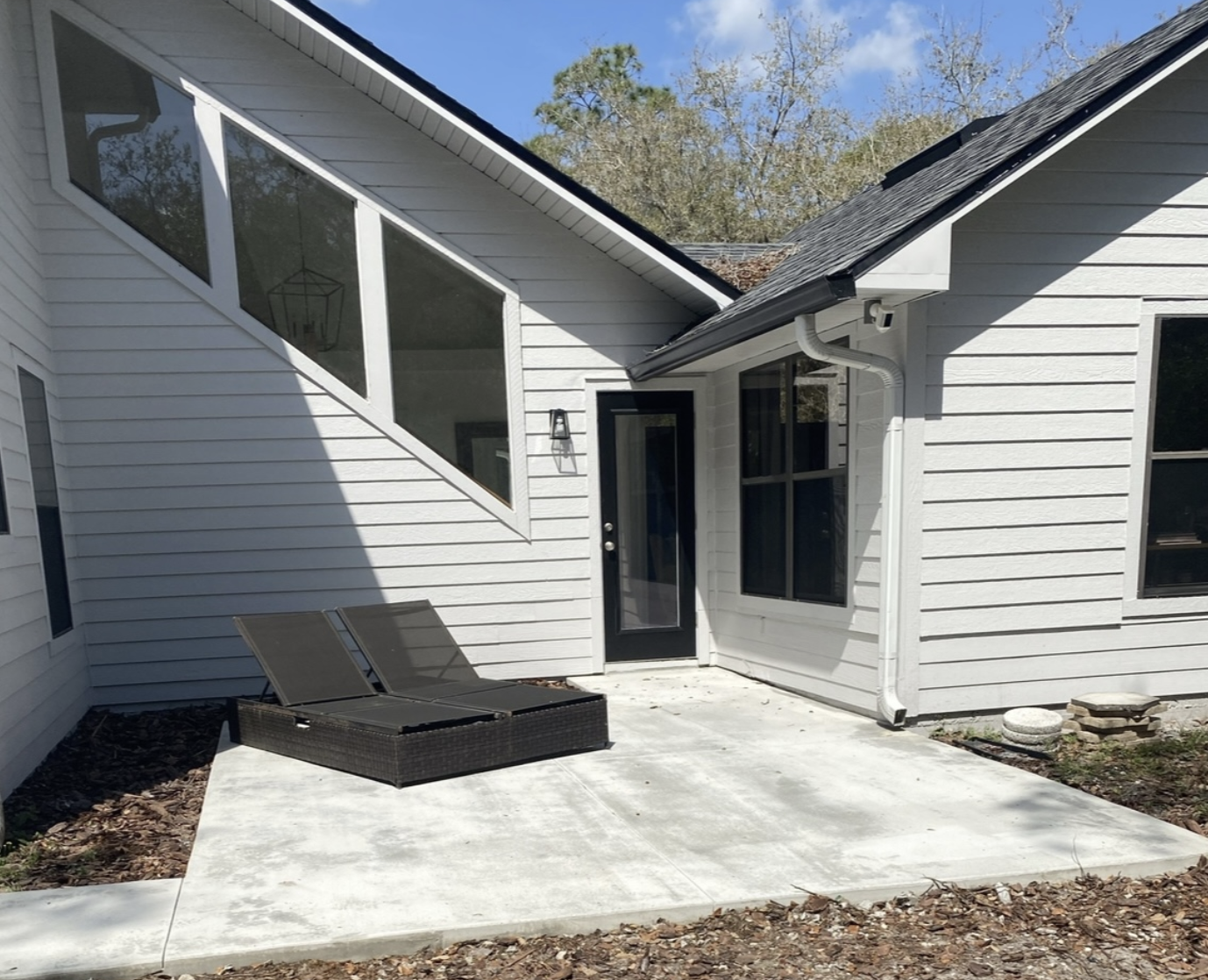
Planning a residential construction project in Central Florida requires a clear understanding of regional timelines to ensure a seamless installation process. Homeowners investing in new surfaces must account for local environmental factors, municipal regulations, and precise structural requirements that directly influence the overall duration of the work. By partnering with an experienced concrete contractor, you can establish a realistic concrete project timeline that balances efficient execution with the mandatory periods required for material handling. Managing expectations regarding these foundational phases prevents costly scheduling conflicts and guarantees a durable finish tailored to the region’s specific demands.
The total duration of your project hinges on a sequential series of distinct concrete project phases, each demanding specific technical expertise and time allocation. From navigating the initial paperwork to executing the final concrete pouring and finishing techniques, cutting corners during any stage will severely compromise the lifespan of the installation. In Orlando, seasonal weather shifts and soil conditions play a dominant role in scheduling, making strict adherence to industry standards non-negotiable for long-term success.
Phase 1: Planning and Design (1–14 Days)
Every successful installation begins long before the mixing trucks arrive on-site, starting with a meticulous conceptualization period where project parameters are defined. During this initial phase, you will collaborate with professionals to map out the exact dimensions, depth requirements, and aesthetic goals of your new surface.
The timeline during these two weeks varies based on the complexity of the design, ranging from a standard structural slab to intricate decorative concrete finishes that require custom layouts. This is the crucial window where you must explicitly define how the surface will be utilized, evaluating the demands of foot traffic vs. heavy loads to dictate the overall engineering plan.
- Scope Definition: Establish the exact square footage, shape, and placement of the concrete structure relative to existing property lines.
- Material Selection: Choose between standard utility surfaces or premium aesthetic options, including specialized stamping and staining procedures.
- Engineering Adjustments: Finalize the thickness of the slab and plan the necessary internal reinforcement matrix based on the intended weight distribution.
- Budgeting: Lock in the final cost estimates for labor, materials, and machinery rentals required to execute the planned design safely.
Rushing through these initial choices inevitably leads to expensive mid-project corrections and structural vulnerability. Taking the full two weeks to solidify your design choices ensures that the subsequent construction phases proceed without unexpected delays. A well-executed planning phase forms the literal blueprint for your project, saving time and resources once heavy machinery is brought to the site.
Phase 2: Permits and Scheduling (3–21 Days)
Once your design is finalized, the project moves into the bureaucratic phase, which represents the most unpredictable variable in your total timeline. Navigating the acquisition of local permits is mandatory to verify that your project complies with regional building codes, right-of-way laws, and stormwater drainage regulations.
Orange County and municipal building departments thoroughly review structural plans to ensure safety, a process that can take anywhere from a few days to three weeks, depending on current office backlogs.
- Application Submission: Filing detailed engineering drawings, site plans, and property surveys with the local municipal building department.
- Zoning Review: Ensuring the proposed structure does not encroach on utility easements, property setbacks, or protected environmental zones.
- HOA Approvals: Securing necessary parallel authorizations from neighborhood homeowners’ associations, which often enforce separate aesthetic rules.
- Logistics Coordination: Aligning the concrete plant delivery schedule with the availability of specialized excavation and finishing crews.
Failing to secure the proper legal authorizations can result in costly municipal fines, forced project shutdowns, or the mandatory removal of unpermitted structures. Allowing up to 21 days for this phase protects your financial investment and ensures the work is fully compliant with local law. Once the paperwork is officially approved, the physical transformation of your property can finally begin on a solid legal footing.
Phase 3: Site Preparation (1–3 Days)
The physical labor kicks off with intensive concrete site preparation, a critical phase that establishes the foundational environment required to protect the structural integrity of the final slab. Over the course of one to three days, crews utilize heavy machinery to clear the designated area of all grass, roots, debris, and unstable topsoil. This is followed by precise excavation and grading to shape the earth and establish a crucial slope that directs heavy Florida rainwater away from existing home foundations.
Workers then install a sturdy gravel or crushed stone sub-base, compacting it completely to create an unyielding, level platform that prevents the heavy concrete from settling or shifting unevenly over time. Finally, the perimeter forms are erected, and crews install either a rebar or wire mesh reinforcement matrix to give the curing concrete the internal tensile strength required to endure heavy daily stress without cracking.
Phase 4: Concrete Pouring and Finishing (1 Day)
With the foundation perfectly prepped and reinforced, the physical transformation occurs rapidly within an intense single-day operational window. The active concrete pouring and finishing stage requires precision timing and seamless coordination, as the wet mix must be discharged, leveled, and textured before the initial set begins. This is the exact moment where the severe weather impact on concrete becomes a critical factor; high temperatures can cause the water to evaporate too quickly, while sudden afternoon downpours can dilute the surface and ruin the entire structural mix.
Once the material is poured into the forms and screeded to a perfectly flat level, specialized finishers apply the final surface texture. For a durable driveway, a Broom finish is applied to create a slip-resistant grid, whereas a concrete patio installation might utilize intricate stamping and staining to mimic high-end natural stone.
- Continuous Placement: Discharging the liquid concrete uniformly into the forms to prevent cold joints, which occur when new concrete is poured against already hardened material.
- Consolidation and Screeding: Utilizing vibrating tools to eliminate internal air pockets and drawing a straight edge across the forms to create a perfectly flat surface plane.
- Floating and Troweling: Bringing cement paste to the surface using specialized flat blades to smooth out imperfections and seal the face of the fresh slab.
- Decorative Finishes: Applying chosen decorative concrete finishes, textures, or color hardeners to meet the exact aesthetic parameters established during the design phase.
As the surface sheen disappears, crews use specialized saws or hand groovers to cut precise control joints into the slab at strategic intervals. These joints act as pre-planned fault lines, ensuring that when the material inevitably shrinks during drying, it cracks cleanly along a hidden line rather than splitting across the face of your investment. Once finishing is complete, the site is secured to prevent any immediate disruptions from marring the smooth surface.
Phase 5: Initial Curing (24–48 Hours)
The conclusion of the pour marks the transition from a liquid state to a fragile solid, initiating the vital timeframe known as the initial concrete curing time. Curing is not a simple drying process, but a complex chemical reaction called hydration, where cement compounds bind water molecules to lock into a dense, solid crystalline structure.
During these first two days, the concrete is highly vulnerable to moisture loss and surface scarring, requiring the contractor to implement specific curing methods like applying chemical sealants or moisture-retaining blankets.
- Moisture Retention: Spraying a liquid curing compound or utilizing wet burlap to keep the internal moisture levels consistent against harsh sun exposure.
- Formwork Inspection: Monitoring the perimeter wooden forms to ensure they remain securely locked in place as the heavy mass begins to solidify.
- Environmental Protection: Shielding the fresh surface from sudden thermal shocks, heavy debris, or localized wildlife intrusion that could permanently ruin the finish.
- Initial Hardening Check: Verifying that the concrete has sufficiently set before anyone attempts to step onto the surface for mandatory maintenance checks.
By the end of this 48-hour window, the material has developed enough baseline strength to tolerate basic, lightweight foot traffic without leaving permanent footprints or indentations. However, the surface remains highly delicate underneath, and heavy objects or sweeping forces must still be completely avoided. The forms are typically removed at this stage, exposing the clean edges of your new structural asset.
Phase 6: Full Curing and Final Use (7–28 Days)
The ultimate strength and durability of your concrete slab construction are determined during the final phase of the project timeline. While the concrete may look completely dry and ready for use after a couple of days, it actually takes a full 28 days for it to fully hydrate and reach its maximum structural load-bearing capacity.
Managing this extended window properly dictates whether your investment will last for decades or prematurely fail under structural stress.
- Pedestrian Access (Days 3–6): Safe for normal backyard activity, light patio furniture placement, and pedestrian travel across walkways.
- Light Vehicle Loading (Day 7): Standard cars and passenger vehicles can safely utilize driveways, provided they avoid sudden braking or parking near unsupported edges.
- Maximum Compressive Strength (Day 28): The chemical hydration cycle concludes, enabling the slab to support its maximum design weight.
- Heavy Loads Restrictions (Post-28 Days): Delivery trucks, heavy RVs, or major construction equipment should still be managed carefully to avoid exceeding localized weight thresholds.
Once the full month has passed, the concrete is officially ready to handle the ongoing demands of both heavy vehicular parking and high-volume foot traffic. Your contractor may return at this point to apply a protective, long-lasting surface sealer to repel oil stains, water penetration, and UV damage. Respecting this final timeline guarantees that the meticulous preparation, engineering, and pouring phases translate into an enduring, high-performance concrete structure.
Average Concrete Project Timelines
The entire duration of a residential installation is a variable timeline heavily influenced by project scale, site complexity, and local environmental factors. For a standard project like a concrete patio installation, homeowners can typically expect the active on-site construction to wrap up within three to five days, excluding the mandatory post-pour curing window.
A more extensive installation, such as a full concrete driveway timeline, may require five to eight days of physical labor due to the intensive sub-base preparation and structural reinforcement necessary to support vehicle weight. However, these estimates only reflect the active labor hours and do not account for administrative delays, such as waiting for municipal approvals or navigating unpredictable Florida weather shifts.
Backyard Patios and Walkways (3–5 Days)
Smaller residential slabs designed exclusively for pedestrian use require less extensive excavation and shallow sub-base depths compared to vehicular surfaces. The structural footprint is typically straightforward, allowing crews to set up wooden forms, lay down a basic wire mesh reinforcement matrix, and execute the pour rapidly. Because these surfaces are designed to handle foot traffic vs. heavy loads, the finishing process often prioritizes aesthetics, incorporating sophisticated decorative concrete finishes or detailed stamping and staining patterns.
Residential Driveways and Large Slabs (5–8 Days)
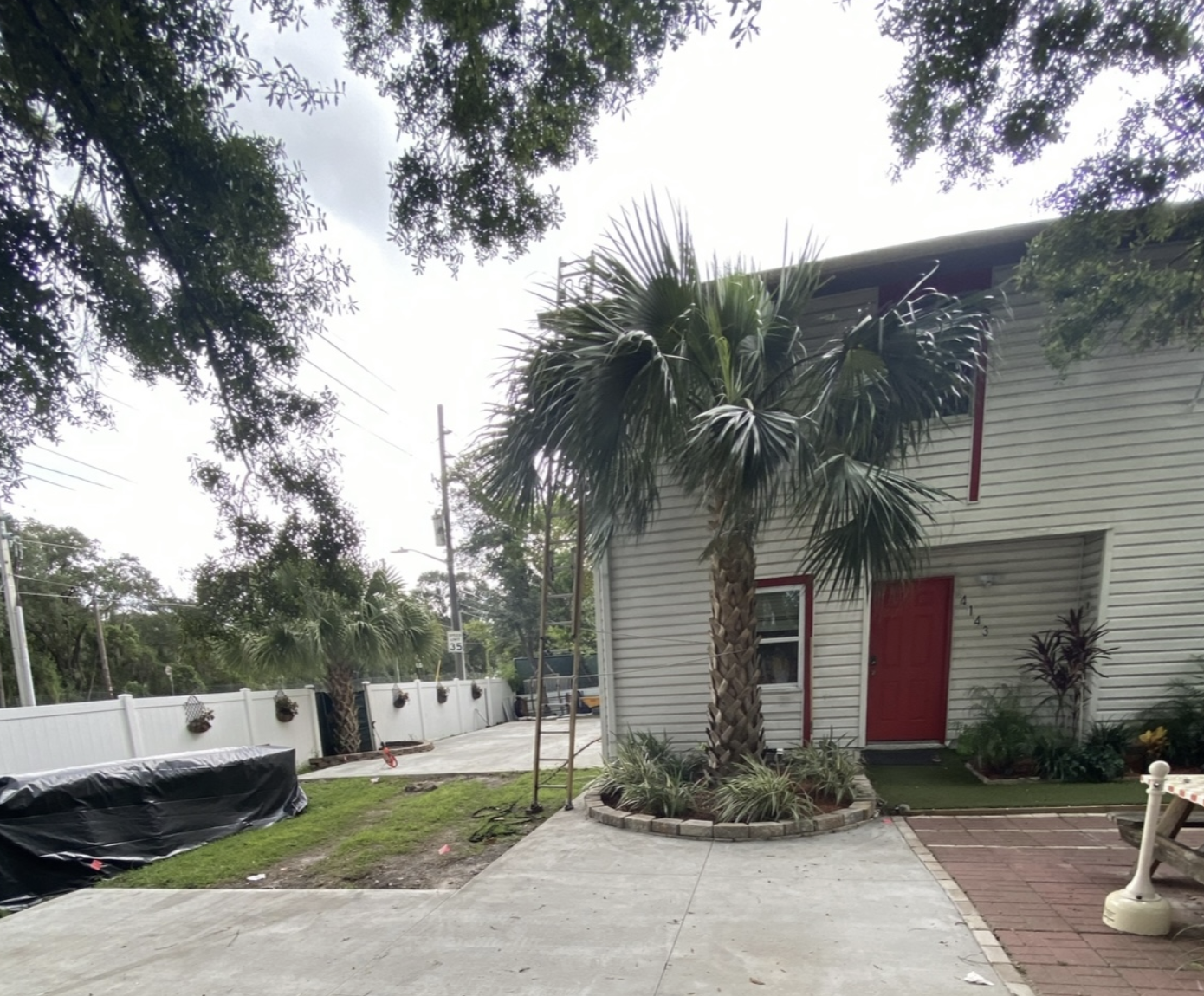
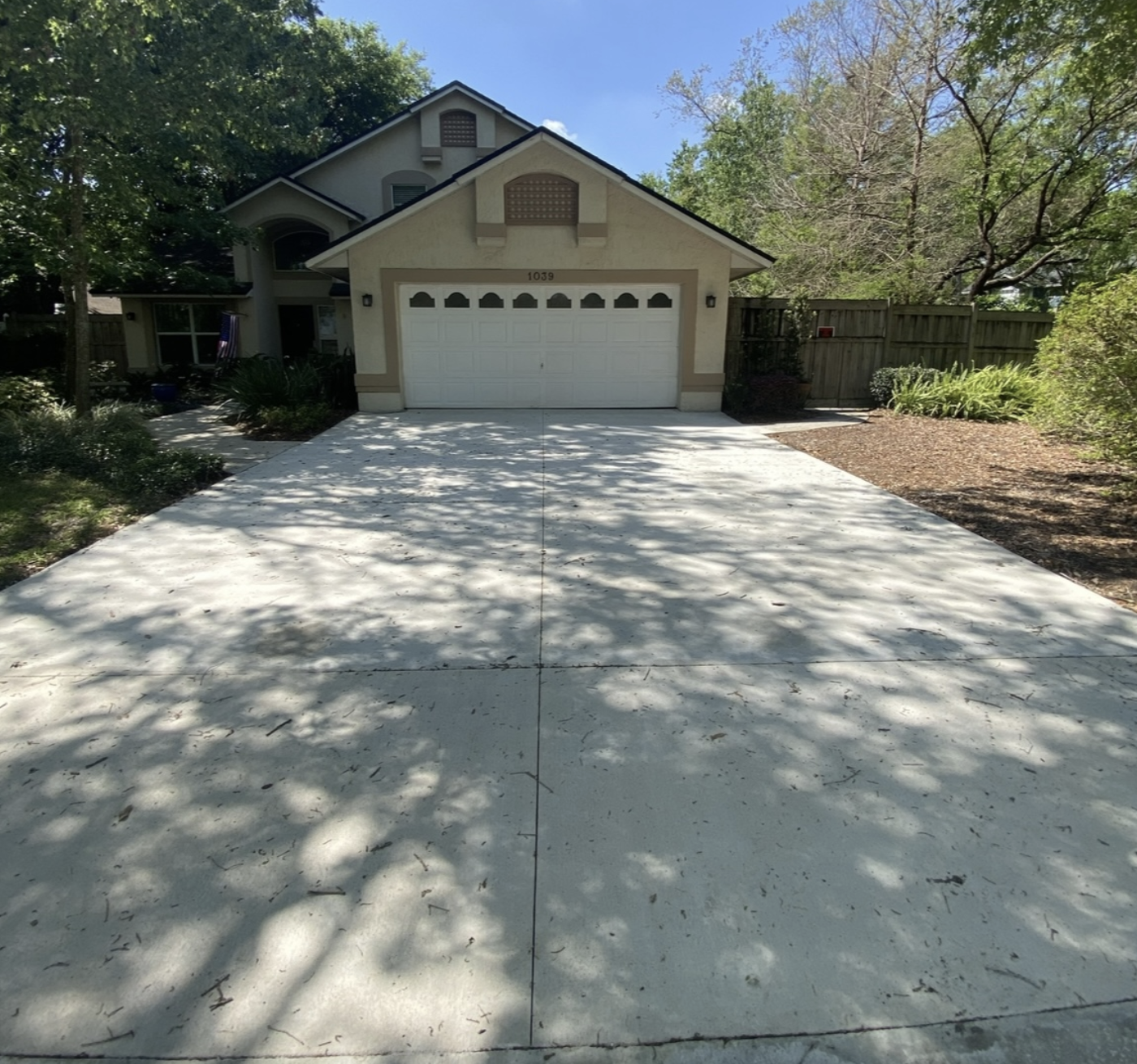
Engineered surfaces meant for vehicle parking demand significantly deeper excavation, heavier sub-base compaction, and a robust rebar framework to prevent structural failure. This extended timeline is necessary to ensure the ground can support thousands of pounds without settling, shifting, or cracking under constant stress. The scale of the pour also requires larger crews and synchronized concrete truck deliveries to maintain a continuous, seamless placement before the hot weather causes the material to dry prematurely.
How to Choose the Right Concrete Contractor
Selecting an experienced and fully certified concrete contractor is the most critical decision you will make regarding the long-term success of your installation. A reputable professional will openly provide verifiable local references, valid proof of liability insurance, and the necessary state licensing required to pull local permits in your municipality. They should demonstrate a deep, technical understanding of regional soil conditions, specialized concrete site preparation techniques, and the appropriate reinforcement methods for your specific project.
Avoid contractors who quote suspiciously low prices or pressure you to skip structural necessities like a compacted sub-base or engineered control joints. A true expert will provide a comprehensive, transparent written contract detailing the exact timeline, material specifications, and curing protocols they intend to follow.
Conclusion
Executing a flawless residential installation in Central Florida requires a careful balance between professional administrative coordination and exact engineering practices. From the initial grading steps to the final application of protective sealants, respecting the mandatory curing periods ensures your new surface withstands the localized climate demands. Partnering with a certified specialist who systematically manages these distinct development phases guarantees that your project avoids structural issues and delivers maximum aesthetic value.
Prioritizing structural integrity over rapid completion prevents premature degradation and protects your financial capital. Allowing the material to undergo its complete chemical hydration cycle provides the load-bearing strength necessary to support heavy vehicular traffic without cracking. By committing to a realistic timeline and utilizing appropriate reinforcement methods, your property gains a highly durable asset designed to perform beautifully for decades.
FAQS
How hard is concrete in 24 hours?
Within the first 24 hours, concrete typically achieves about 10% to 15% of its total design strength as the chemical hydration process begins to solidify the mix. While it transitions from a liquid to a fragile solid that can support basic pedestrian weight, the internal structure remains highly delicate and vulnerable to deep indentation.
What is the 1 2 3 rule for concrete?
The 1:2:3 rule represents the standard volumetric ratio used to mix a traditional, high-strength concrete blend from scratch. This formula dictates combining one part Portland cement, two parts clean sand, and three parts coarse gravel aggregate before adding water.
What’s the average cost of a 20×20 concrete slab?
The average cost to install a standard 20×20 concrete slab ranges from $2,400 to $4,800, depending on the thickness and local labor rates. This price typically breaks down to an average of $6 to $12 per square foot for a complete professional installation.
Can I walk on concrete 24 hours after pouring?
Yes, you can safely walk on a newly poured concrete surface 24 hours after the installation is complete without causing surface damage. However, you must restrict this access exclusively to light pedestrian traffic and keep heavy equipment, pets, and vehicles completely off the slab.
Is it cheaper to mix concrete or buy it?
Mixing concrete by hand is generally cheaper for small projects under one cubic yard because you only pay for individual material bags. For larger slabs or driveways, purchasing pre-mixed truck deliveries is more cost-effective because it eliminates intensive manual labor and prevents structural weak zones.
Professional Concrete Services in Orlando, FL
Accu-Krete provides reliable concrete installation, repair, decorative concrete, patios, driveways, and sidewalk solutions for homeowners and businesses across Orlando and nearby areas.