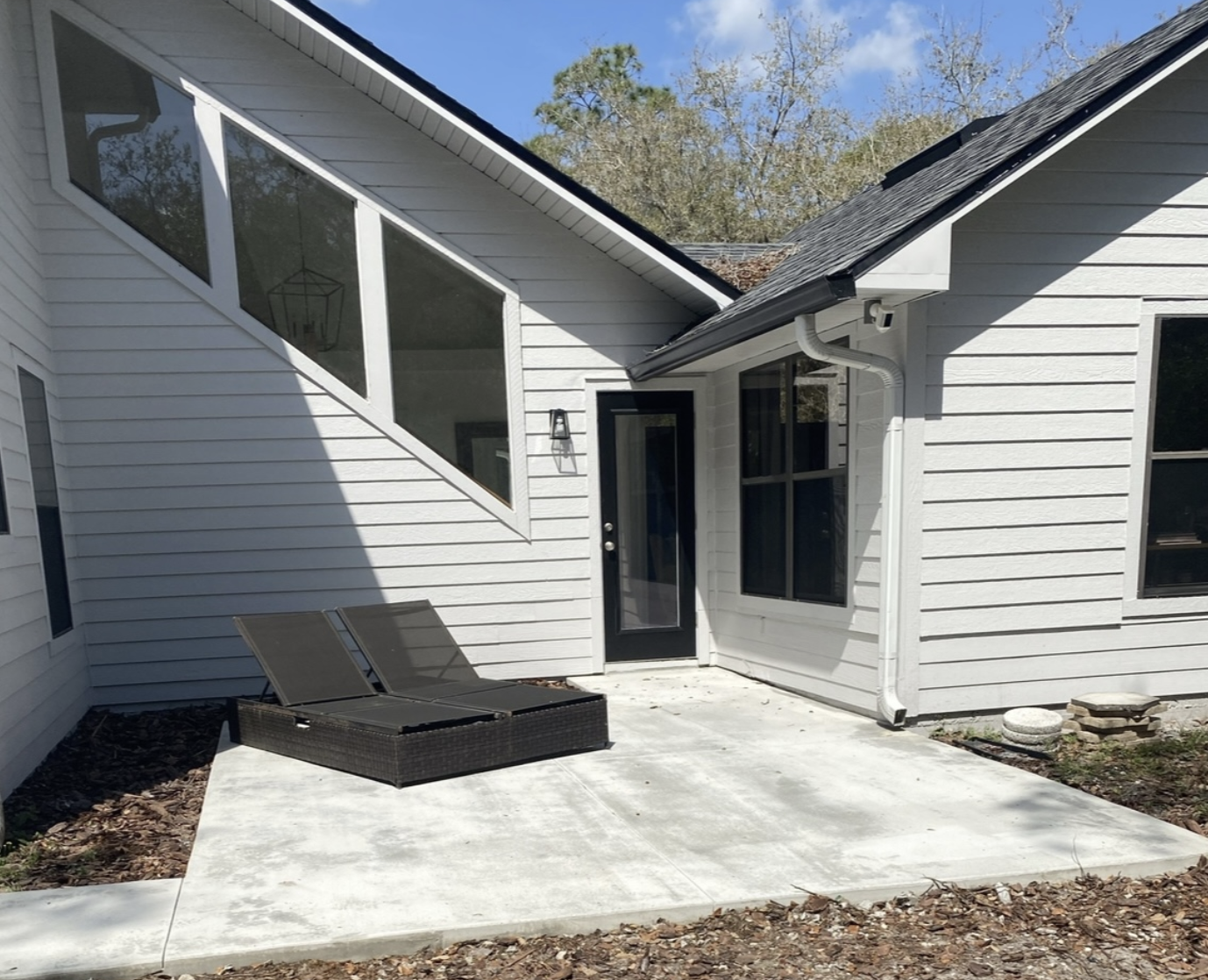
Your driveway is one of the first things people notice when they visit your property. It plays a big role in your home’s curb appeal and overall market value. Over time, heavy vehicles, shifting soil, and natural aging can leave your concrete surface looking cracked, uneven, and structurally worn down. Fixing damage at the right time not only brings back the visual appeal of your home but also stops small surface problems from turning into expensive foundation failures.
Ignoring early warning signs of deterioration pushes homeowners into costly, full-scale replacements that could have been easily avoided with the right targeted fixes. Understanding how concrete breaks down and how to deal with it helps you make smart decisions for your property’s upkeep. This complete guide covers the key differences between paving materials, the clear signs of damage, and the exact steps needed to carry out a proper, long-lasting repair.
How Concrete Driveway Repair Works: Step-by-Step Guide
Restoring a damaged concrete slab follows a strict, non-negotiable sequence of steps. Skipping any part of the process or rushing through the curing timeline weakens the structural bond between the existing driveway and the fresh patch.
Inspect and Assess the Damage
The process starts with a detailed physical inspection of all surface cracks, structural dips, and spalled areas across the driveway. Technicians use a hammer or a heavy metal chain dragged across the surface to listen for hollow sounds, which point to sub-surface delamination where the upper concrete layer has separated from the base. This assessment determines whether the section needs simple surface patching, advanced geopolymer lifting, or full section excavation.
Clean and Prepare the Repair Area
To create a lasting chemical bond, all physical barriers must be completely removed from the damaged zone. Technicians use mechanical wire brushes, cold chisels, or angle grinders fitted with diamond blades to widen tight cracks into an inverted “V” or squared channel, which physically locks the repair material in place.
The area is then cleaned with a minimum 3,000 PSI pressure washer to remove oil residues, dirt, embedded weeds, and loose laitance, which is the brittle concrete dust sitting on the surface.
Repair Small Cracks and Surface Holes
For narrow surface blemishes and small pitting, a high-grade elastomeric or vinyl-fortified concrete patching compound is used. The technician applies a thin layer of liquid concrete bonding agent inside the cleaned void and lets it become tacky to the touch.
The patching paste is then packed tightly into the opening using a steel trowel, making sure no air pockets remain inside, and finished flush with the surrounding driveway surface.
Repair Large and Deep Cracks
Fractures wider than one-fourth of an inch need heavy structural reinforcement to stop them from continuing to spread. The prepared deep channel is filled with a compressible foam backer rod down to roughly one-half inch below the surface, which acts as a depth regulator and saves material.
Technicians then fill the remaining space with a polymer-modified mortar mix or an industrial epoxy injection resin, pressing the material tightly against the sidewalls using a putty knife.
Repair Sunken or Uneven Sections
When an entire section of the driveway has dropped below its original level, mechanical leveling is carried out through poly-foam injection or mudjacking. Technicians drill a series of small strategic holes through the sunken slab and inject expanding polyurethane concrete lifting foam underneath it.
As the liquid chemical expands, it aggressively compresses the loose subgrade soil and creates a strong upward hydraulic force, pushing the heavy concrete slab back to its original position within minutes.
Concrete vs. Asphalt Driveways: Which One Is Right for You?
Choosing between asphalt and concrete driveways is an important decision that directly affects your property’s long-term maintenance costs and structural durability. While both options provide a reliable surface for daily vehicle traffic, they have fundamentally different chemical compositions, lifespans, and climate tolerances.
To help you make an informed decision for your next paving project, the table below outlines the core structural, financial, and environmental differences between these two common driveway materials:
| Comparison Factor | Concrete Driveways | Asphalt Driveways |
| Average Lifespan | 30 to 40 years with minimal structural intervention. | 15 to 20 years before requiring resurfacing. |
| Initial Installation Cost | Higher upfront cost due to complex labor and material expenses. | Lower upfront cost, making it highly budget-friendly. |
| Maintenance Demands | Very low maintenance; requires occasional cleaning and sealing. | High maintenance; requires seal coating every 3 to 5 years. |
| Climate Performance | Thrives in intense heat; susceptible to cracking in extreme cold. | Flexible in freezing temperatures; melts or softens in extreme heat. |
| Curing Time Required | Longer curing time of 7 to 10 days before vehicle use. | Rapid setting; ready for vehicle traffic within 24 to 48 hours. |
| Repair Complexity | Repairs require precise chemical bonding or specialized lifting. | Cracks and potholes are easily patched with cold or hot mix. |
| Stain Resistance | Highly susceptible to noticeable oil and fluid stains due to light color. | Naturally hides oil leaks and fluid stains due to its dark color. |
| Load Capacity | Exceptionally high; handles heavy RVs and trucks without indentation. | Moderate; prone to rutting and shifting under heavy stationary loads. |
Benefits of Having a Concrete Driveway
Choosing concrete delivers clear, long-term advantages that easily justify its higher upfront installation cost compared to other materials.
- Superior Load-Bearing Capacity: Concrete handles massive structural loads without flexing, denting, or rutting after years of continuous use. This rigid composition makes it ideal for households with multiple heavy vehicles, delivery trucks, or large recreational vehicles.
- Enhanced Curb Appeal: The clean, light-colored look of a concrete driveway instantly gives residential properties a modern, premium appearance. It also absorbs significantly less heat from the sun, keeping the surface noticeably cooler during peak summer months.
- Minimal Day-to-Day Upkeep: Unlike asphalt, which needs regular, intensive seal coating to prevent crumbling, concrete requires very little attention. Standard pressure washing and an occasional application of a protective sealer are all it takes to keep the surface in good condition.
- Increased Property Value: Real estate data consistently shows that home buyers prefer concrete installations because of their durability and low-maintenance reputation. This preference directly increases your home’s resale value and equity from the moment the slab is poured.
Signs You Need Concrete Driveway Repair
Concrete is incredibly tough, but environmental exposure, moisture intrusion, and natural soil movement will eventually take a toll on the slab. Spotting the early signs of damage allows you to apply targeted solutions before the problem spreads deep into the sub-base foundation.
Visible Fractures
Homeowners need to address concrete driveway cracks right away to prevent serious moisture from getting in. While hairline cracks are often superficial and caused by minor settling or drying shrinkage, fractures wider than one-fourth of an inch indicate significant subgrade movement.
If left unsealed, rainwater flows directly into these openings, washing away the underlying soil support and rapidly widening the fracture during seasonal temperature changes.
Chipping and Spalling
Chipping and spalling happen when the top layer of concrete begins to flake away, leaving a rough, pitted, and uneven surface. This cosmetic and structural deterioration is usually caused by intense freeze-thaw cycles, poor mixing during the original installation, or the corrosive effects of winter de-icing chemicals.
If these peeling zones are not treated early, the pitting spreads across the driveway, exposing the internal aggregate to rapid and unavoidable erosion.
Sunken Slabs
If sections of your driveway are uneven, tilting, or collecting large puddles of standing water, you are dealing with sunken slabs. This dangerous condition happens when the underlying sub-base soil erodes due to poor drainage or when the foundation was not properly compacted during original construction.
These uneven concrete sections create serious tripping hazards for your family and can cause real structural damage to the undercarriage of low-clearance vehicles over time.
Materials Are Used for Concrete Driveway Repair
Getting a long-lasting fix requires using commercial-grade compounds that are specifically formulated for the type of damage your driveway has. Choosing the right material ensures that the repaired area forms a permanent structural bond with the existing slab and holds up under heavy vehicle loads.
The specialized materials used by professional technicians to restore damaged concrete surfaces are detailed below:
Concrete Patching Compound
A high-performance concrete patching compound is the primary material used for treating shallow surface defects, fine cracks, and superficial pitting across the driveway. These specialty products are usually pre-mixed with acrylic or vinyl resins that significantly improve flexibility and adhesion to the old concrete surface.
Once applied, the compound fills the void completely and dries to a hard finish without shrinking or cracking under direct sunlight.
Mortar Mix
When dealing with deep structural cavities, broken slab corners, or rebuilding vertical edges, a heavy-duty mortar mix is required. This material consists of a thick, carefully measured blend of Portland cement, hydrated lime, sand, and water, designed to provide exceptional compressive strength.
Because standard mortar does not contain large gravel aggregates, it can be easily shaped and smoothed to create a seamless, flush transition with the surrounding driveway surface.
Concrete Bonding Agent
Because fresh concrete cannot naturally form a permanent bond with fully cured concrete on its own, a dedicated concrete bonding agent must be applied to the old surface first. This liquid chemical emulsion is brushed or rolled directly onto the cleaned substrate immediately before the repair material is poured. It acts as a structural bridge, chemically locking the old and new layers together to prevent future delamination or peeling.
Concrete Sealer
Applying a premium concrete sealer is the final protective step needed to safeguard both the fresh repairs and the rest of your driveway from environmental wear. This protective liquid penetrates deep into the microscopic pores of the slab, forming an invisible, water-repelling barrier that actively blocks water, automotive fluids, and corrosive salts.
Restoring this barrier prevents moisture from freezing inside the concrete, effectively stopping future chipping and spalling before it can start.
Concrete Lifting Foam
To fix dangerous, uneven surfaces caused by shifting sub-base soil, contractors use specialized geo-polymeric concrete lifting foam to stabilize the slab from underneath. Technicians inject a dual-component polyurethane liquid through small, strategically drilled access points, where it reacts and quickly expands into a dense structural foam.
This lightweight material packs loose subgrade soils tightly and generates enough hydraulic pressure to lift massive, sunken concrete sections back to their original position.
Concrete Driveway Repair Cracks: Types and Techniques
Not all cracks are structurally the same, and applying a single generic solution to every type of break leads to recurring failures. Contractors divide cracks into two distinct categories to determine the correct physical technique for each one.
Hairline Crack Repair
Hairline cracks are narrow, non-structural splits typically caused by plastic shrinkage during the initial pour or minor seasonal settling. To treat these, technicians use a liquid-applied polymer caulk or an ultra-low viscosity epoxy crack filler that naturally seeps deep into the tight opening through capillary action.
Because these cracks are so narrow, trying to force a thick mortar mix into them will not work, since the material cannot penetrate deeply enough to form a proper anchoring bond.
Structural Crack Repair
Structural cracks are wide, jagged fractures that actively move and expand when heavy vehicles drive over the slab. Fixing these requires a heavy-duty mechanical approach called “crack stitching,” where technicians cut perpendicular slots across the main fracture line and embed high-tensile carbon fiber staples into a bed of structural epoxy. This method physically anchors the two separate moving slabs together, preventing horizontal pulling and vertical shifting under intense vehicle loads.
How Much Does Concrete Driveway Repair Cost?
The national average cost for a professional concrete driveway repair typically falls between $830 and $2,837, with most homeowners spending around $1,811 in total. On a smaller scale, budget-friendly superficial fixes like basic crack sealing can run as low as $0.50 to $3.00 per linear foot. Your total cost ultimately depends on the extent of the damage, regional labor rates, and the specific restoration methods required.
For more advanced structural issues, specialized techniques like slabjacking, concrete leveling, and full-scale resurfacing generally range from $3.00 to $25.00 per square foot. These costs vary based on how difficult the job is, the size of the project, and local material expenses. Investing in timely professional repairs not only restores your home’s curb appeal but also prevents small cracks from growing into expensive full-driveway replacements.
Conclusion
Carrying out timely concrete driveway repairs is an essential investment that protects your property’s structural integrity, visual appeal, and overall safety. Addressing surface cracks, spalling, and subgrade shifting early stops water from washing away the foundation sub-base and causing catastrophic slab failures. Using high-performance materials like polymer-modified mortar mixes, polyurethane lifting foams, and deep-penetrating hydrophobic sealers allows property owners to completely avoid the massive financial burden of full-scale pavement demolition and reconstruction.
A proactive approach to driveway maintenance ensures that your surface stays durable, strong, and visually appealing for decades. Working with professional contractors guarantees precise execution of advanced diagnostic assessments, thorough mechanical cleaning, and correct chemical applications tailored to your specific environmental conditions. Ultimately, consistent structural care extends the total lifespan of your concrete pavement, improves everyday vehicle functionality, and immediately raises the overall market value of your home.
FAQs
How long does concrete driveway repair last? A professional concrete restoration carried out with high-grade compounds typically lasts between 5 to 15 years. The exact lifespan depends directly on local traffic loads, weather exposure, and regular application of protective sealers.
Is it better to repair or replace a cracked concrete driveway? Minor surface-level fractures and localized settling can be easily corrected through targeted repairs and stabilization techniques. However, full replacement becomes necessary if deep structural damage covers more than 30% of the entire slab surface or if the base soil has completely failed.
What is the best filler for concrete driveway cracks? Polyurethane and epoxy-based flexible sealants are the top choices for sealing narrow driveway fractures because of their excellent adhesion and elasticity. These industrial polymers expand and contract during seasonal temperature changes without pulling away from the concrete sidewalls.
How do you prevent concrete driveways from cracking again? Long-term prevention requires keeping proper yard drainage systems in place to direct water away from the slab edges and applying a penetrating sealer every three years. Keeping heavy commercial vehicles off the pavement also helps prevent excessive weight loads from stressing the concrete.
How do you repair concrete driveways? The process involves mechanically widening the damaged area, clearing away loose debris, brushing on a liquid bonding chemical, and packing the void with a heavy-duty patch mixture. Sunken sections are raised back to their original level by injecting dense, expanding geopolymer foam underneath the slab.Can you pour new concrete over old cracked concrete? Pouring a fresh layer directly on top of broken pavement is strongly discouraged because the existing fractures will quickly reflect upward into the new surface. Successful overlays require a stable, unmoving foundation or a thick gravel separation layer combined with mechanical reinforcement.
Professional Concrete Services in Orlando, FL
Accu-Krete provides reliable concrete installation, repair, decorative concrete, patios, driveways, and sidewalk solutions for homeowners and businesses across Orlando and nearby areas.