Concrete Patio vs Paver Patio: Cost, Durability & Maintenance

Concrete Patio vs Paver Patio: Cost, Durability & Maintenance

Table of Contents

Choosing between a concrete patio and a paver patio is a key decision when designing an outdoor living space. Both options can completely upgrade your backyard, giving you a stylish and functional area for relaxing, entertaining, or increasing property value. The main differences usually come down to cost, appearance, and long-term performance, which makes it important to understand how each one works before you decide.

A concrete patio is usually the more budget-friendly option because it has lower installation costs and a quicker setup process. On the other hand, patio pavers cost more upfront but offer greater design flexibility, easier repairs, and better long-term durability. This comparison helps homeowners understand which option fits their budget, lifestyle, and maintenance preferences so they can make a smart, long-lasting choice.

What Is a Concrete Patio

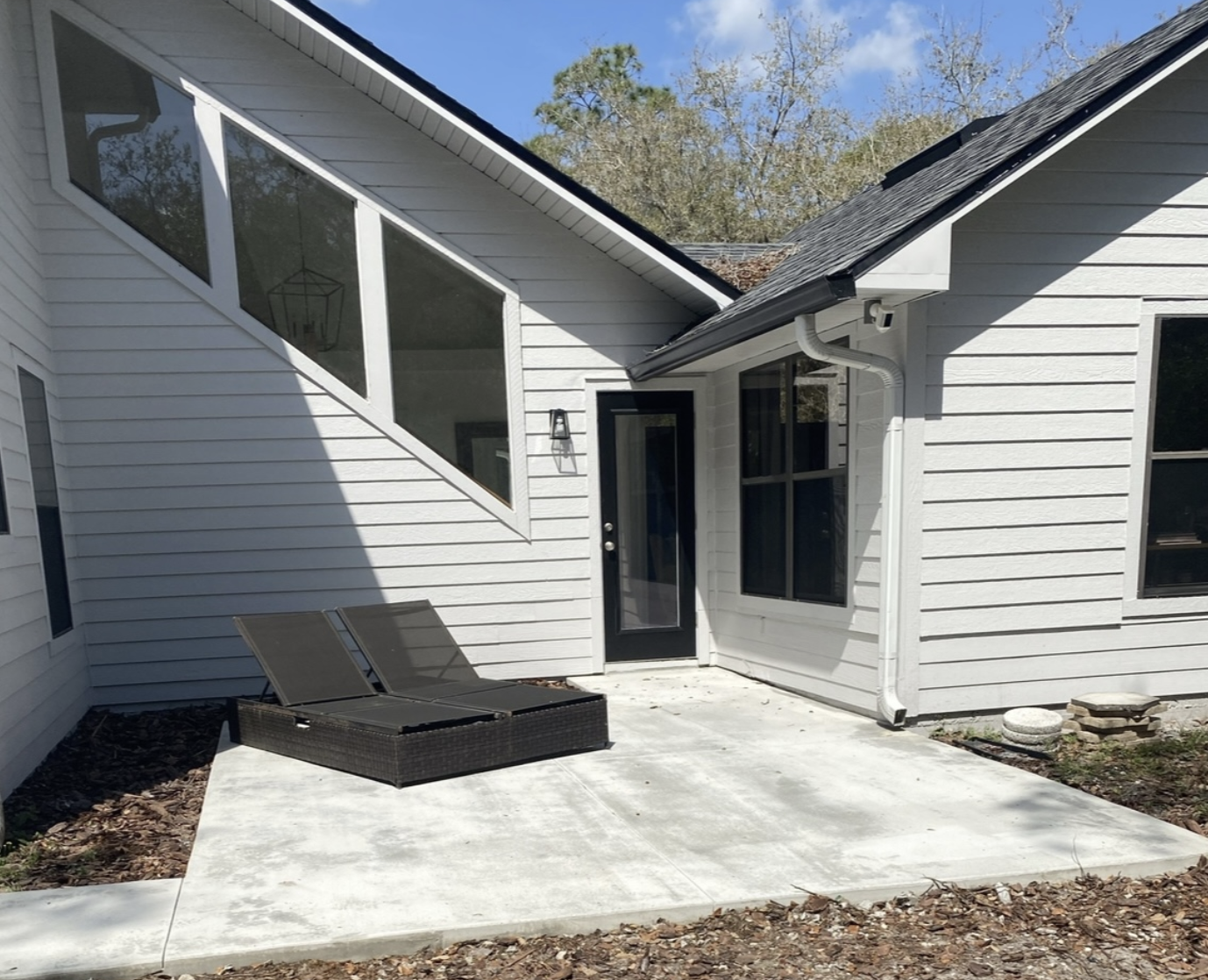
A concrete patio is a flat outdoor surface created by pouring and curing concrete over a properly prepared base. It remains one of the most common patio materials because it offers a balance of affordability, durability, and functionality. Homeowners often choose concrete when they want a clean and simple patio that can be installed relatively quickly. 

The smooth surface works well for outdoor furniture, dining areas, and backyard gathering spaces. Concrete can also be customized with decorative finishes that improve its appearance without changing its structural strength. 

Types of Concrete Patios

Concrete patios come in several styles, each offering a different appearance, texture, and level of customization. Some options focus on affordability, while others are designed to improve curb appeal and create a more decorative outdoor space. 

Choosing the right type depends on your budget, design goals, and maintenance expectations. Below are the most common types of concrete patios used in residential landscaping.

  • Plain concrete patios are the most common and budget-friendly option. They provide a simple surface that works well for everyday outdoor use.
  • Stamped concrete patios feature patterns that resemble natural stone, brick, or wood. They offer a decorative appearance without using separate paving materials.
  • Stained concrete patios use color treatments to create a more customized look. They are often chosen to add personality and visual appeal to outdoor spaces.
  • Exposed aggregate patios contain decorative stones that are visible on the surface. This finish adds texture while improving traction in wet conditions.

What Is a Paver Patio

A paver patio is an outdoor surface made from individual paving stones that are installed over a compacted base of gravel and sand. Unlike a concrete slab, pavers are placed one piece at a time, allowing for greater design flexibility and customization. They are available in various materials, colors, shapes, and textures, making it easy to create a patio that matches the style of a home and landscape. 

Paver patios are known for their durability and ability to withstand heavy foot traffic, changing weather conditions, and minor ground movement. Because damaged pavers can be replaced individually, they are often considered a long-lasting and cost-effective option for homeowners seeking both functionality and visual appeal.

Types of Patio Pavers

Patio pavers are available in several materials, each offering a different appearance, durability level, and cost range. The right paver type depends on your design preferences, budget, and how the patio will be used.

  • Concrete pavers are affordable and versatile. They come in various colors, shapes, and patterns to suit different patio designs.
  • Brick pavers offer a traditional and timeless look. They are durable and work well in both classic and modern landscapes.
  • Natural stone pavers provide a premium and unique appearance. Materials such as slate, limestone, and travertine create a high-end outdoor space.
  • Permeable pavers allow water to drain through the surface. They help reduce runoff and improve drainage in outdoor areas.
  • Porcelain pavers have a sleek and modern finish. They are resistant to stains, fading, and moisture damage.

Material Cost of Pavers vs Concrete Patios

One of the first questions homeowners ask is: is it cheaper to use pavers vs concrete? The short answer is yes — concrete costs less upfront in almost every comparison. But material pricing is only one part of the full picture.

MaterialAvg. Cost per Sq. Ft.Cost Range
Basic Concrete Slab$3 – $7Low end of all patio options
Stamped Concrete$8 – $19Overlaps with mid-range pavers
Colored / Decorative Concrete$7 – $22Approaches higher-end paver pricing
Concrete Pavers$1.25 – $18Wide range based on style and finish
Brick Pavers$1.50 – $15Affordable to mid-range
Natural Stone Pavers$4 – $20Mid to high range
Cobblestone Pavers$10 – $25Among the highest material costs

Installation Process: Concrete vs Pavers

The way a patio is installed affects not just the cost but also how quickly the surface is ready to use, how long it lasts, and how easy it is to repair later. Concrete and paver patios follow very different construction processes.

Concrete Patio Is Installed

Installing a concrete patio begins with clearing and leveling the area where the patio will be placed. A stable base is prepared, and forms are set around the perimeter to hold the concrete in place. 

The concrete is then poured, spread evenly, and finished according to the desired texture or design. Decorative features such as stamping or coloring may be added before the surface hardens. After installation, the concrete must cure for several days before it is ready for regular use.

Paver Patio Is Installed

A paver patio installation starts with excavating the area and creating a compacted gravel base for support. A layer of bedding sand is added to help keep the surface level and stable. Individual pavers are carefully placed according to the selected pattern and layout. 

Once all pavers are installed, joint sand is swept into the gaps to lock them in position. The patio can typically be used shortly after completion since there is no curing process required.

Concrete Patio vs Paver Patio: Full Comparison

Choosing between concrete and pavers requires more than simply comparing costs. Homeowners should consider appearance, durability, maintenance requirements, weather performance, and potential resale value. 

Each material offers unique benefits depending on project goals and budget. A side-by-side comparison helps highlight the differences that matter most.

Appearance and Design Options

Pavers offer a wide range of colors, textures, sizes, and patterns that allow for highly customized patio designs. They can complement traditional, modern, or rustic landscapes without looking repetitive. 

Homeowners can mix different styles to create unique layouts and visual interest. Concrete provides a cleaner appearance but generally offers fewer design possibilities than pavers.

Durability and Longevity

Pavers are highly durable and designed to withstand heavy foot traffic and changing ground conditions. Because each paver moves independently, small shifts in the soil are less likely to cause visible damage. 

Concrete is also durable, but it can develop cracks as the ground settles or temperatures fluctuate. With proper care, both options can last for decades, although pavers often maintain their appearance longer.

Maintenance and Repairs

Paver patios require occasional maintenance, such as replenishing joint sand and removing weeds. If a paver becomes damaged, it can usually be replaced individually without disturbing the rest of the patio.  

Concrete patios are relatively easy to clean, but can be more difficult to repair when cracks develop. Large repairs often require patching or resurfacing noticeable sections of the patio.

Weather and Climate Performance

Pavers perform well in climates that experience freezing temperatures, heavy rainfall, or soil movement. The joints between pavers allow the surface to expand and contract without significant structural issues. 

Concrete can handle various weather conditions but may crack during repeated freeze-thaw cycles. In regions with harsh seasonal changes, pavers often provide greater long-term reliability.

Pros and Cons of a Concrete Patio

Concrete remains one of the most popular patio materials because of its affordability and versatility. It offers several practical advantages while also presenting a few limitations. Reviewing both sides helps homeowners decide whether it fits their needs. Budget and maintenance expectations often play a major role in the decision.

Pros

  • Lower upfront installation costs
  • Faster installation process
  • Smooth and uniform surface
  • Decorative finish options available
  • Suitable for large patio projects

Cons

  • More likely to crack over time
  • Repairs can be difficult to conceal
  • Limited design flexibility
  • May require periodic sealing
  • Weather-related damage can occur

Pros and Cons of a Paver Patio

Pavers are known for combining durability with visual appeal. They offer flexibility that many homeowners appreciate when designing outdoor living areas. However, they typically require a larger initial investment than concrete. Evaluating the advantages and drawbacks can help determine whether the additional cost is worthwhile.

Pros

  • Extensive design and color choices
  • Excellent durability and strength
  • Easy replacement of damaged sections
  • Better resistance to ground movement
  • Strong curb appeal and resale value

Cons

  • Higher installation costs
  • More labor-intensive installation
  • Joint maintenance may be needed
  • Weeds can develop between pavers
  • Professional installation is often recommended

Which Patio Option Is Right for Your Backyard

The right patio material depends on your budget, design goals, and maintenance preferences. Concrete is often a practical choice for homeowners seeking an affordable and straightforward installation. It provides a clean appearance and can be enhanced with decorative finishes for added style. 

Pavers are ideal for those who value customization, durability, and long-term performance despite the higher upfront investment. If minimizing initial costs is the priority, concrete may be the better solution. 

If long-term value, flexibility, and easier repairs matter more, pavers are often worth the additional expense. Both materials can create attractive outdoor spaces when installed correctly. Carefully comparing your needs and expectations will help you choose the best option for your backyard.

Conclusion

Choosing between a concrete patio and a paver patio comes down to balancing upfront costs, design preferences, and long-term maintenance expectations. Concrete remains a popular option for homeowners seeking a budget-friendly patio with a faster installation process, while pavers offer greater customization and easier repairs over time. Both materials can create attractive outdoor living spaces when installed correctly and maintained properly.

Paver patios typically require a larger initial investment, but they often provide stronger curb appeal, better resistance to ground movement, and simpler repair solutions. Concrete patios cost less initially and offer a clean, uniform appearance, though cracking may become a concern as the patio ages. Evaluating your budget, climate conditions, and desired patio style can help determine which option is the better fit for your backyard.

FAQs

How much would a 20×20 concrete patio cost?

A 20×20 concrete patio (400 square feet) typically costs between $1,600 and $6,000 installed, depending on the concrete type, finish, labor rates, and local market conditions.

What is the most low-maintenance patio?

Concrete patios are generally considered one of the lowest-maintenance patio options because they have fewer joints where weeds can grow and require minimal routine upkeep.

What’s more expensive, a concrete patio or a paver patio?

A paver patio is usually more expensive than a concrete patio due to higher material costs and the labor-intensive installation process. However, pavers can offer lower repair costs over the long term.

How much would a 20×20 paver patio cost?

A 20×20 paver patio generally costs between $2,400 and $12,000 installed. The final price depends on the paver material, design complexity, site preparation, and labor costs.

What are common concrete patio problems?

Common concrete patio issues include cracking, surface discoloration, staining, settling, and damage caused by freeze-thaw cycles. Regular maintenance can help reduce these problems.

Does a new concrete patio increase home value?

Yes, a professionally installed concrete patio can increase home value by adding usable outdoor living space and improving overall property appeal for potential buyers.

Professional Concrete Services in Orlando, FL

Accu-Krete provides reliable concrete installation, repair, decorative concrete, patios, driveways, and sidewalk solutions for homeowners and businesses across Orlando and nearby areas.

Our Concrete Services

Areas We Serve