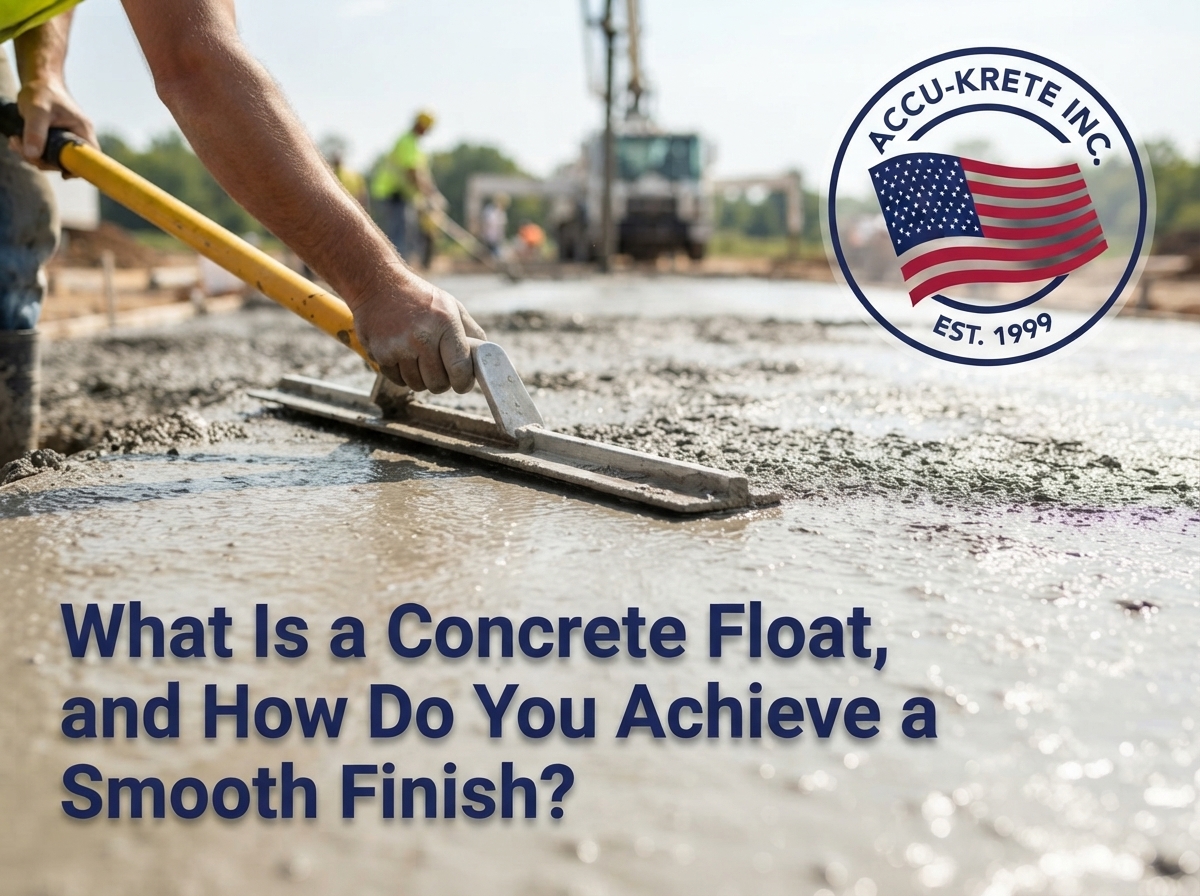
What Is a Concrete Float, and How Do You Achieve a Smooth Finish?

Concrete finishing is a critical step in any construction project because it directly impacts how strong, smooth, and long-lasting the surface will be. One of the most important tools used during this stage is the concrete float, which helps create a flat, even, and properly compacted surface. Whether you’re working on a driveway, sidewalk, patio,… Continue reading What Is a Concrete Float, and How Do You Achieve a Smooth Finish?

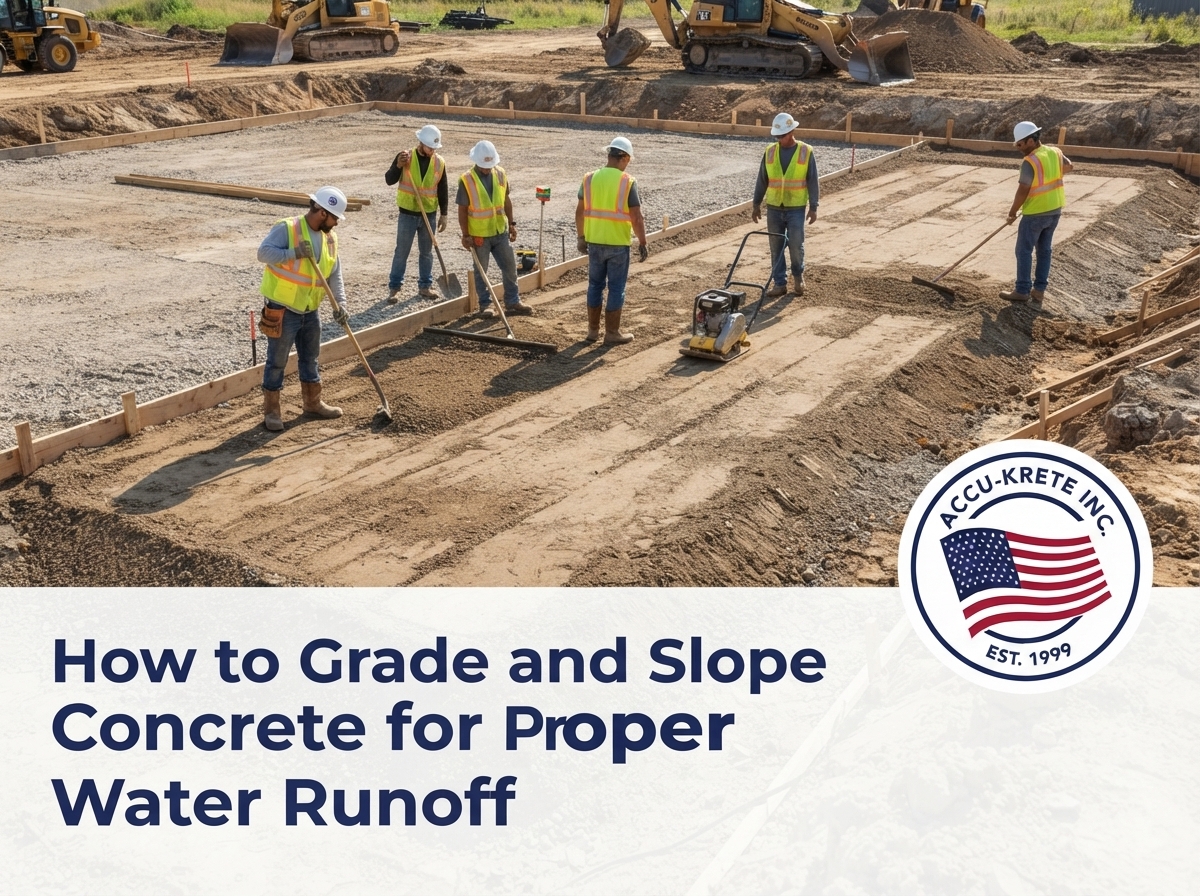
How to Grade and Slope Concrete for Proper Water Runoff

Concrete surfaces aren’t just about strength—they also need to manage water properly. If the slope is too flat or incorrectly set, rainwater can sit on the surface instead of flowing away. Over time, this can lead to puddles, surface stains, cracking, and even damage near your home’s foundation. That’s why getting the slope right is… Continue reading How to Grade and Slope Concrete for Proper Water Runoff

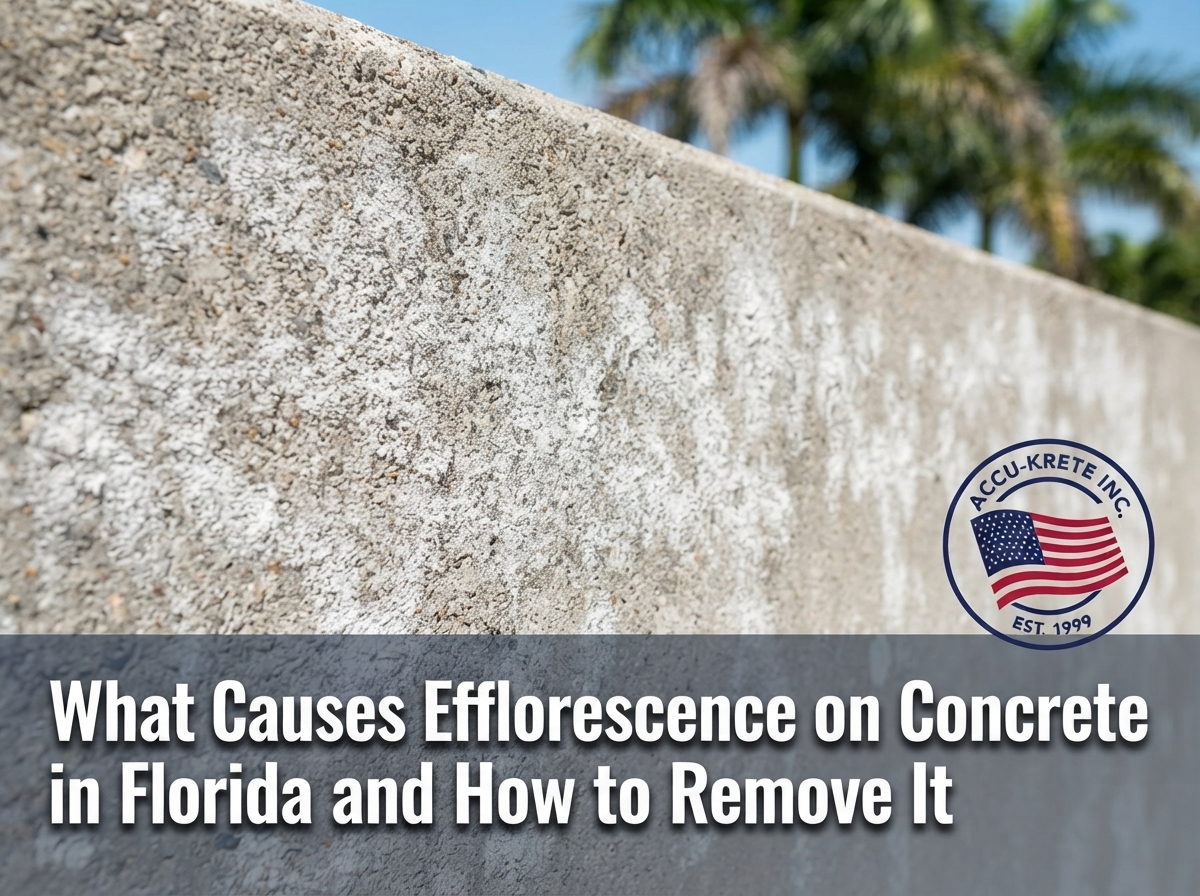
What Causes Efflorescence on Concrete in Florida and How to Remove It

Concrete is known for its strength and long lifespan, but even this tough material can develop surface issues over time. One of the most common concerns homeowners notice is a white, chalky layer forming on driveways, patios, sidewalks, basement floors, or retaining walls. This is called efflorescence, and while it can look alarming, it is… Continue reading What Causes Efflorescence on Concrete in Florida and How to Remove It

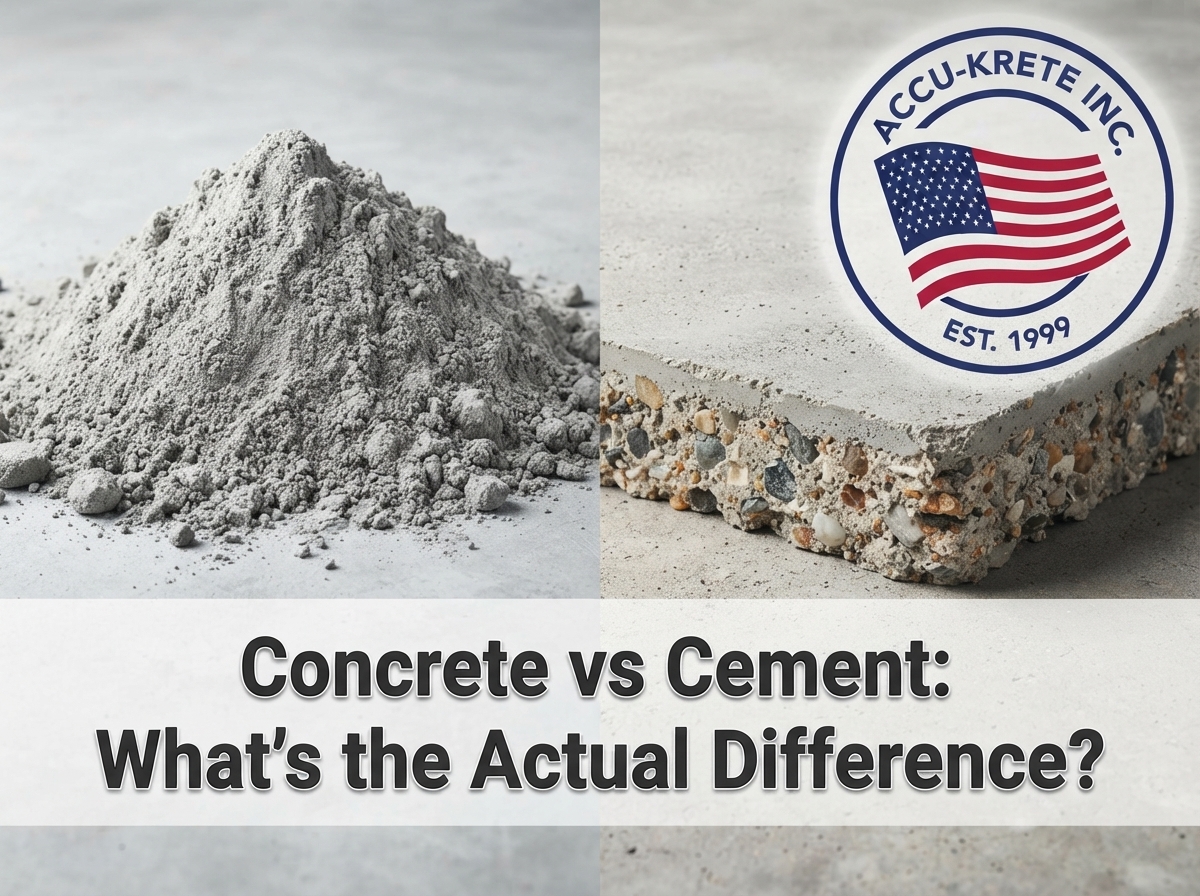
Concrete vs Cement: What’s the Actual Difference?

Many people often use the terms cement and concrete interchangeably, but they are not the same thing. Cement is actually just a fine binding powder that acts like a glue, while concrete is a much stronger construction material made by mixing cement with water, sand, and aggregates like gravel or crushed stone. This combination is… Continue reading Concrete vs Cement: What’s the Actual Difference?

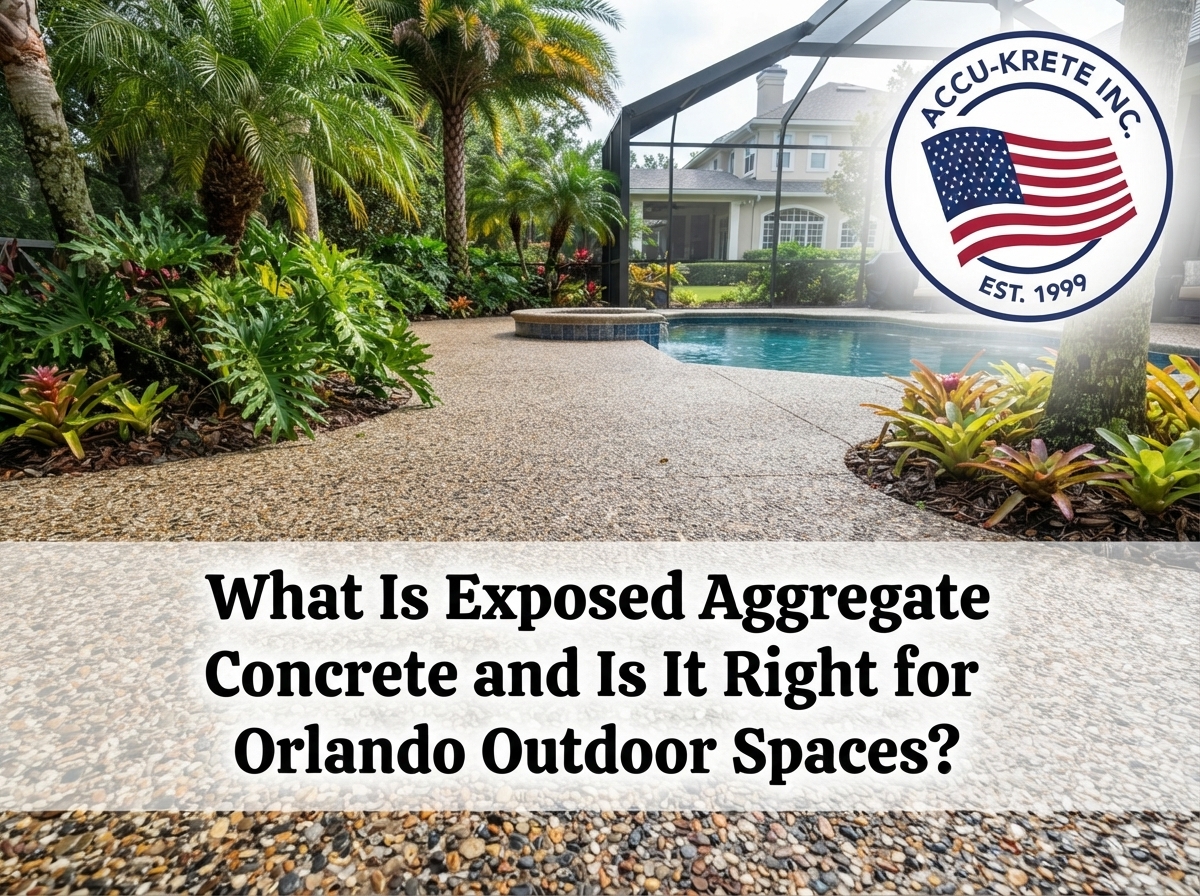
What Is Exposed Aggregate Concrete and Is It Right for Orlando Outdoor Spaces?

Concrete doesn’t have to be dull, grey, or purely functional anymore. Today, many homeowners and builders are choosing decorative options that improve both strength and appearance. One of the most popular choices is exposed aggregate concrete, which adds a stylish, textured finish while still keeping all the durability concrete is known for. It’s commonly used… Continue reading What Is Exposed Aggregate Concrete and Is It Right for Orlando Outdoor Spaces?

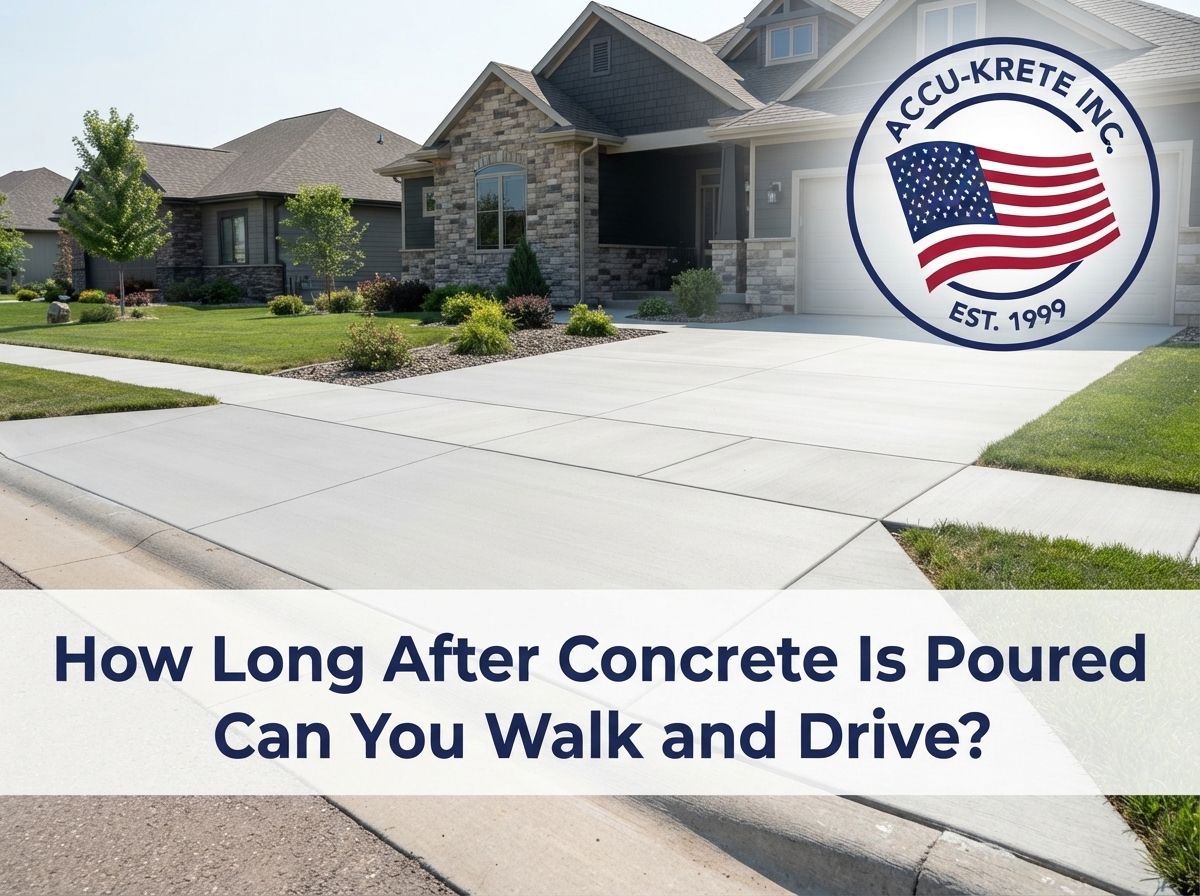
How Long After Concrete Is Poured Can You Walk and Drive?

Freshly poured concrete often looks solid within a few hours, but it is still in a delicate stage underneath the surface. During this early period, the concrete is actively curing, which means it is slowly gaining strength as moisture reacts with cement particles. Even though it may appear “dry,” it is not yet strong enough… Continue reading How Long After Concrete Is Poured Can You Walk and Drive?

How Concrete Projects Add Home Value in Orlando’s Real Estate Market

A home’s exterior is one of the first things people notice, and it has a strong impact on overall property value. Well-planned concrete improvements can quickly upgrade how a home looks and feels from the outside. Whether it’s a driveway, walkway, patio, or other outdoor feature, quality concrete work creates a clean, modern, and well-maintained… Continue reading How Concrete Projects Add Home Value in Orlando’s Real Estate Market

How to Tell If Your Concrete Was Installed Correctly

Concrete is known for its strength and long lifespan, but that durability only comes when it is installed the right way. A properly finished slab—whether it’s a driveway, patio, sidewalk, or foundation—should look smooth, stable, and well-structured. However, if mistakes happen during installation, they may not show immediately and can slowly turn into cracks, sinking… Continue reading How to Tell If Your Concrete Was Installed Correctly

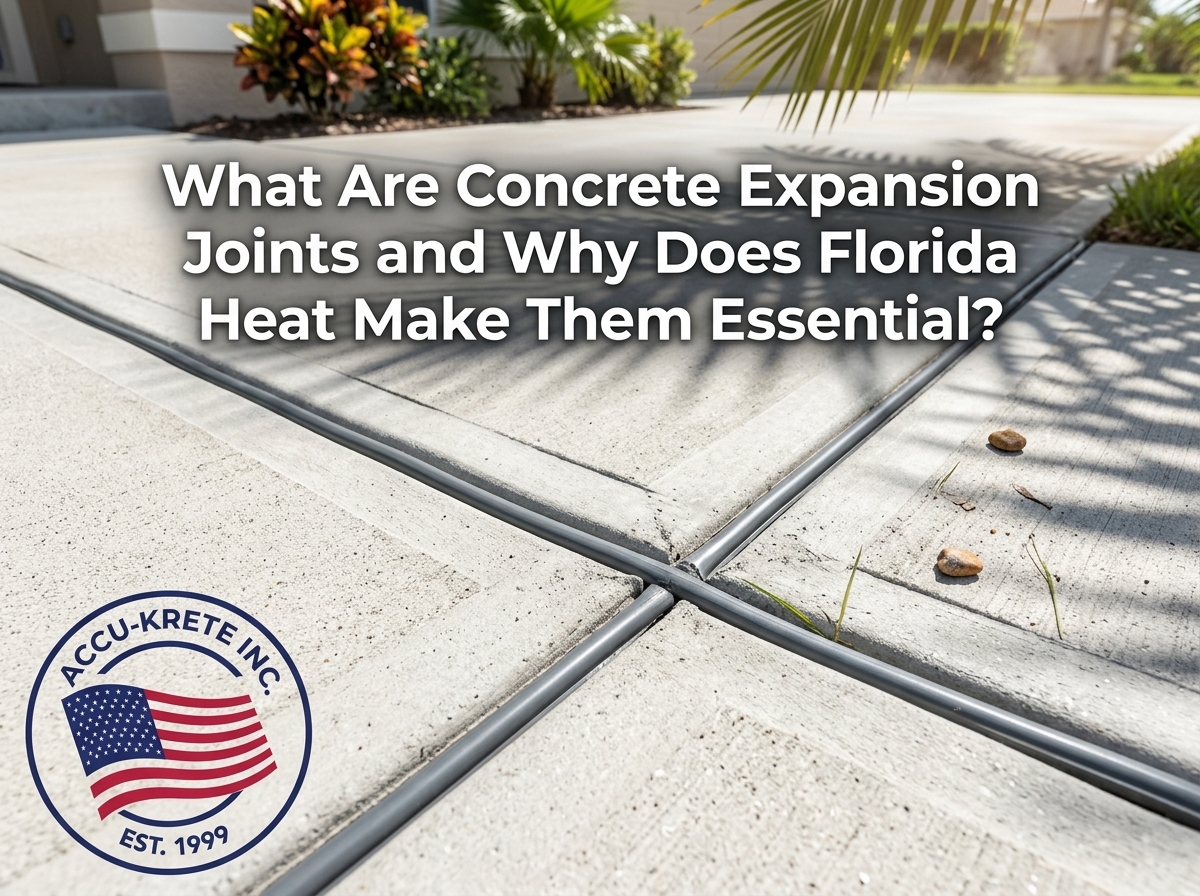
What Are Concrete Expansion Joints and Why Does Florida Heat Make Them Essential?

Concrete is one of the strongest and most durable building materials, but it naturally changes with temperature. During hot weather, concrete expands, and when temperatures drop, it contracts. Although these movements are small, they happen continuously throughout the life of a concrete surface. If there is no space for this movement, pressure builds up inside… Continue reading What Are Concrete Expansion Joints and Why Does Florida Heat Make Them Essential?

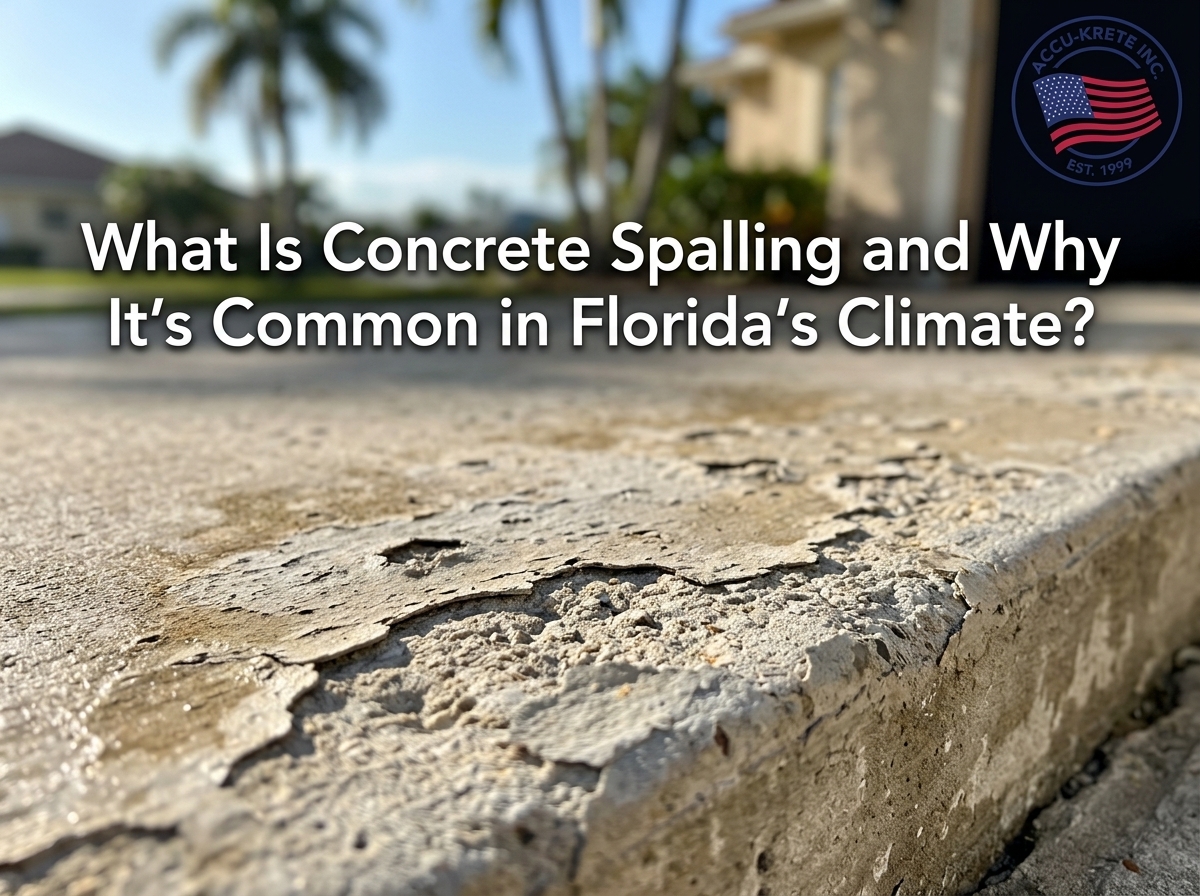
What Is Concrete Spalling and Why It’s Common in Florida’s Climate?

Concrete is known for its strength and durability, but even the toughest concrete surfaces can develop problems over time. One of the most common forms of concrete deterioration is concrete spalling, a condition that causes the surface of concrete to chip, flake, peel, or break apart. While it may begin as a minor cosmetic issue,… Continue reading What Is Concrete Spalling and Why It’s Common in Florida’s Climate?