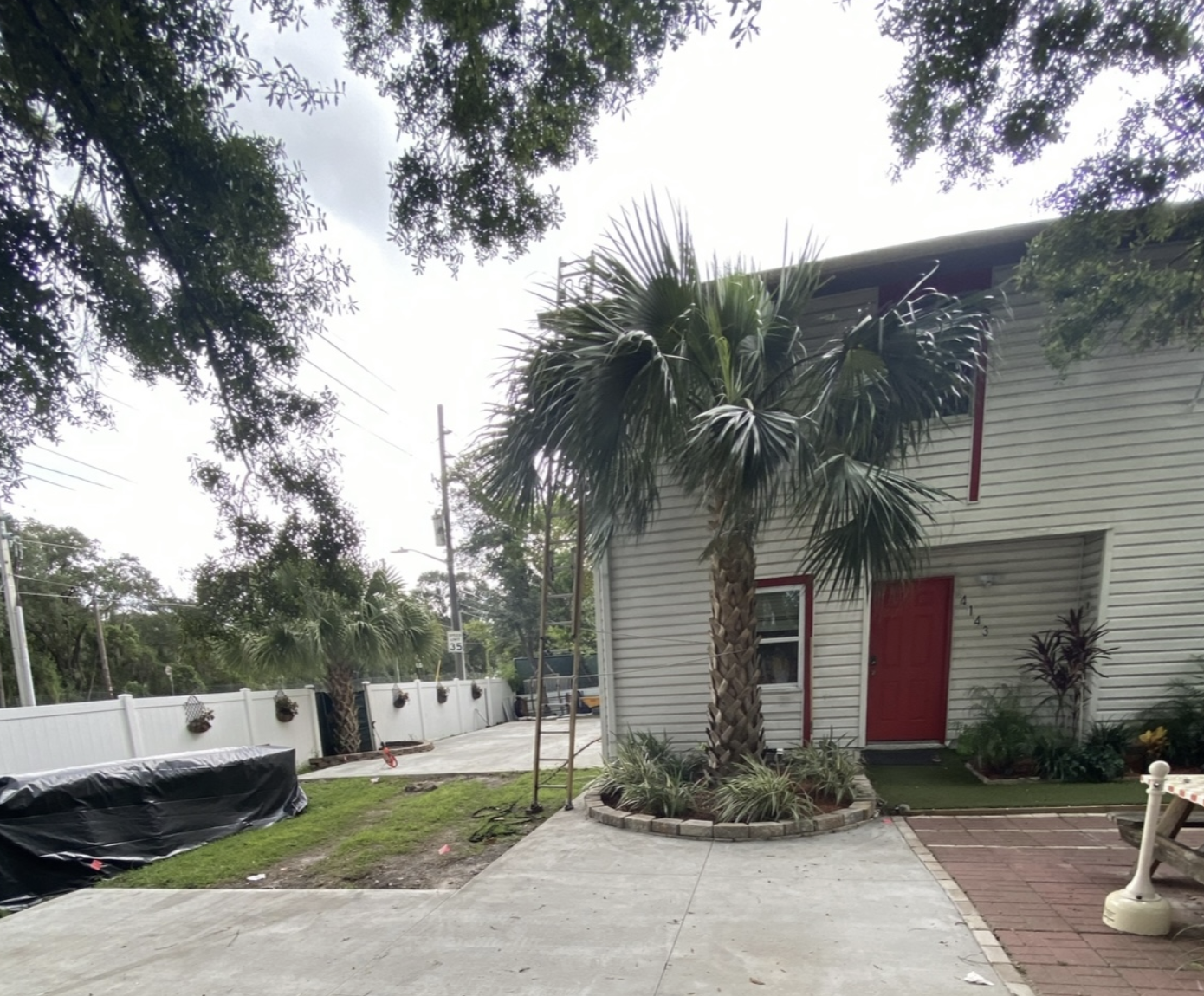
Many people often use the terms cement and concrete interchangeably, but they are not the same thing. Cement is actually just a fine binding powder that acts like a glue, while concrete is a much stronger construction material made by mixing cement with water, sand, and aggregates like gravel or crushed stone. This combination is what gives concrete its strength and makes it suitable for building roads, sidewalks, bridges, foundations, and entire structures.

Understanding the difference between cement and concrete is important for anyone involved in construction, renovation, or even basic home improvement projects. When you know how each material works and what role it plays, it becomes easier to choose the right mix, avoid costly mistakes, and ensure long-lasting results. In this guide, we’ll break down their composition, how they are made, their properties, and modern developments in cement and concrete technology in a simple and easy-to-follow way.
What Is Cement?
Cement is a fine gray powder that acts as a binding agent in construction. It does not work as a building material by itself but becomes extremely strong after mixing with water. Through the hydration process, cement binds other materials together to produce concrete, mortar, and stucco. Because of this unique chemical reaction, cement remains one of the most important materials used throughout the modern construction industry.
Cement Composition and Production
The cement composition starts with carefully selected raw materials, mainly limestone and clay. These materials are crushed, blended, and heated inside large rotary kilns at extremely high temperatures. During this stage, the raw materials transform into hard nodules called clinker, which forms the foundation of nearly every type of Portland cement. After cooling, the clinker is finely ground with gypsum, which controls the setting time and improves workability.
Modern cement manufacturing also includes strict quality control measures to maintain consistent strength and performance. Many manufacturers blend clinker with materials such as fly ash, slag cement, and natural pozzolans to improve durability while lowering carbon emissions. These additions help produce more sustainable cement products that support low-carbon construction and reduce the overall environmental impact of the manufacturing process.
Types of Cement
Different construction projects require different types of cement depending on strength, durability, and environmental conditions.
- Ordinary Portland Cement (OPC): The most commonly used cement for residential construction, commercial construction, and general concrete work.
- Portland-limestone cement: Contains additional limestone to reduce carbon emissions while maintaining reliable performance.
- Blended cement: Combines Portland cement with fly ash, slag cement, or pozzolans to improve durability and support construction sustainability.
- Hydraulic cement: Hardens through hydration and can set even under water, making it suitable for repair work and water-related structures.
- Masonry cement: Designed specifically for producing mortar used in brick and block construction.
- Plastic cement: Mainly used to prepare stucco because it provides excellent workability and finishing properties.
- Oil well cement: Manufactured to withstand high temperatures and pressure in deep oil and gas wells.
Cement Strength and Applications
Unlike concrete, cement strength is evaluated by how well it contributes to the strength of the final construction material. Its performance depends on factors such as fineness, proper hydration, curing conditions, and the water-to-cement ratio. When these factors are carefully controlled, cement produces a durable bond that supports long-lasting structures.
The cement applications extend well beyond making concrete. Cement is widely used to manufacture mortar for brickwork, stucco for wall finishes, flooring materials, grouts, repair compounds, and precast products. Engineers also focus on cement sustainability by developing low-carbon formulations that reduce emissions without sacrificing strength, making cement an important part of modern green construction and sustainable building practices.
What Is Concrete?
Concrete is a composite material made by mixing cement, water, and aggregates such as sand, gravel, and crushed stone. While cement acts as the binder, the aggregates provide strength and volume, creating a material capable of supporting heavy loads for decades. Today, concrete is the most widely used construction material because of its durability, versatility, and cost-effectiveness in both residential and commercial construction.
Concrete Composition and Production
The concrete composition includes four primary ingredients: cement, water, fine aggregates, and coarse aggregates. Cement binds everything together during the hydration process, while sand fills the gaps between larger aggregates like gravel and crushed stone. Many modern concrete mixes also contain mineral or chemical admixtures to improve workability, durability, and resistance to harsh environmental conditions.
Successful concrete production depends heavily on the correct water-to-cement ratio. Too much water weakens the finished concrete by increasing permeability and reducing compressive strength, while too little water makes placement difficult. After placement, proper concrete curing allows hydration to continue, helping the material develop maximum strength, durability, and long-term structural integrity.
Concrete Strength and Types
Concrete strength is measured primarily by its compressive strength, which indicates how much load it can safely support before failure. Engineers carefully design every concrete mix according to project requirements, considering factors such as workability, durability, environmental exposure, and expected loads. Proper curing and quality materials are essential for achieving the desired performance and extending the life of concrete structures.
Common types of concrete include:
- Structural concrete: Used for foundations, columns, beams, and other load-bearing components.
- High-performance concrete: Offers greater durability, lower permeability, and higher strength for demanding projects.
- Decorative concrete: Designed with colors, textures, polishing, or stamping to improve appearance.
- Mass concrete: Used for dams, thick foundations, and heavy-duty construction where heat control is important.
- Ready-mix concrete: Produced in batching plants under controlled conditions for consistent quality.
- Low-carbon concrete: Uses supplementary cementitious materials to reduce emissions and support sustainable construction.
Concrete is used in countless infrastructure projects, including buildings, bridges, roads, sidewalks, parking structures, airports, and industrial facilities. Specialized concrete mixes are also developed for marine environments, high sulfate soils, and other challenging conditions where improved sulfate resistance, durability, and long-term building performance are essential.
Concrete vs Cement: Side-by-Side Comparison
Although cement and concrete are closely related, they serve completely different purposes in construction. Cement is a powdered binding agent used to hold materials together, while concrete is the finished construction material made by mixing cement with water and aggregates like sand, gravel, and crushed stone.
Understanding the difference between cement and concrete helps homeowners, contractors, and engineers select the right material for residential construction, commercial construction, and large infrastructure projects.
| Feature | Cement | Concrete |
| Definition | A fine powder that acts as a binding agent | A composite building material made from cement, water, and aggregates |
| Main Ingredients | Clinker, gypsum, limestone, clay, and other additives | Cement, water, sand, gravel or crushed stone, and admixtures |
| Primary Purpose | Binds materials together | Provides structural strength and durability |
| Used Alone? | Rarely | Yes, as the final construction material |
| Strength | Supports bonding but is not a structural material by itself | High compressive strength suitable for load-bearing structures |
| Manufacturing | Produced through cement manufacturing by heating limestone and clay | Produced by mixing ingredients according to a concrete mix design |
| Common Applications | Mortar, stucco, grout, repair products | Foundations, buildings, roads, bridges, sidewalks, and driveways |
| Durability | Depends on how it is used in mixtures | Highly durable when properly mixed and cured |
| Sustainability | New blended cements reduce carbon emissions | Modern low-carbon concrete improves construction sustainability |
| Cost | Less expensive per bag | Higher overall cost because it includes multiple materials and placement |
Common Mistakes People Make Confusing Cement and Concrete
Many people incorrectly use the words cement and concrete interchangeably because concrete contains cement. However, calling a concrete driveway a “cement driveway” or referring to a concrete sidewalk as “cement” is technically incorrect. Knowing the difference improves communication with contractors, helps with proper material selection, and ensures better project planning for any construction job.
Common misconceptions include:
- Thinking cement and concrete are the same material. Cement is only one ingredient used to make concrete.
- Believing cement is stronger than concrete. Concrete develops much higher structural strength after curing.
- Assuming cement can replace concrete for structural work. Cement alone cannot support heavy loads.
- Ignoring the role of aggregates. Sand, gravel, and crushed stone provide much of concrete’s strength and durability.
- Confusing mortar with concrete. Mortar contains cement and sand but no coarse aggregates.
- Overlooking the importance of the water-to-cement ratio. Too much water reduces concrete strength and durability.
Choosing Between Cement and Concrete for Your Project
Choosing the right material depends on what your project requires. Cement is typically used as an ingredient for products like mortar, stucco, and grout, while concrete is the preferred choice for structural construction because of its superior strength, durability, and long service life. Understanding each material’s purpose helps improve building performance, supports better engineering decisions, and ensures long-lasting results.
Small Repair and Masonry Projects
If you’re repairing cracks, laying bricks, installing blocks, or applying stucco, cement-based products such as mortar or masonry cement are usually the best choice. These materials provide excellent bonding properties and are designed for precision work rather than carrying heavy structural loads.
Structural Construction Projects
For foundations, driveways, patios, sidewalks, retaining walls, and buildings, concrete is the correct material. Its high compressive strength, durability, and ability to withstand heavy loads make it ideal for residential, commercial, and industrial construction.
Heavy-Duty and Infrastructure Projects
Large-scale infrastructure projects such as bridges, highways, airports, dams, and parking structures require specially designed concrete mixes. Engineers often use high-performance concrete, mass concrete, or structural concrete to meet strict engineering standards, improve durability, and resist harsh environmental conditions.
Sustainable Construction Projects
When environmental impact is a priority, both cement and concrete now offer greener alternatives. Blended cement, Portland-limestone cement, and low-carbon concrete reduce carbon emissions while maintaining excellent performance. These innovations support green construction, improve construction sustainability, and contribute to more environmentally responsible building practices.
Conclusion
Although people often use the terms interchangeably, understanding the difference between cement and concrete is essential for choosing the right material for any construction project. Cement is the binding ingredient that reacts with water during the hydration process, while concrete is the finished building material created by combining cement with water, sand, gravel, or crushed stone. Each material has a unique role in residential construction, commercial construction, and large infrastructure projects.
Whether you’re planning a new foundation, driveway, sidewalk, patio, or repair project, selecting the appropriate material improves structural integrity, durability, and long-term performance. Modern advancements in cement technology and concrete technology, including low-carbon cement and sustainable concrete mixes, are also helping reduce environmental impact while supporting stronger, longer-lasting, and more sustainable construction.
Frequently Asked Questions
Is concrete the same as cement?
No. Cement is a binding agent, while concrete is a mixture of cement, water, sand, and aggregates used as the final structural building material.
Can cement be used without concrete?
Yes. Cement is commonly used to make mortar, stucco, grout, and other cement-based products, but it is not typically used alone for structural construction.
What ratio of cement goes into concrete?
A common concrete mix for general construction uses a 1:2:3 ratio of cement, sand, and coarse aggregates, with the proper water-to-cement ratio adjusted based on the project requirements.
How long does concrete take to cure fully?
Concrete gains most of its strength within 28 days under proper curing conditions, although the hydration process continues slowly beyond that period.
Are concrete and cement the same thing?
No. Cement is one ingredient in concrete, whereas concrete is the finished construction material used for foundations, buildings, bridges, roads, and many other structures.
Professional Concrete Services in Orlando, FL
Accu-Krete provides reliable concrete installation, repair, decorative concrete, patios, driveways, and sidewalk solutions for homeowners and businesses across Orlando and nearby areas.