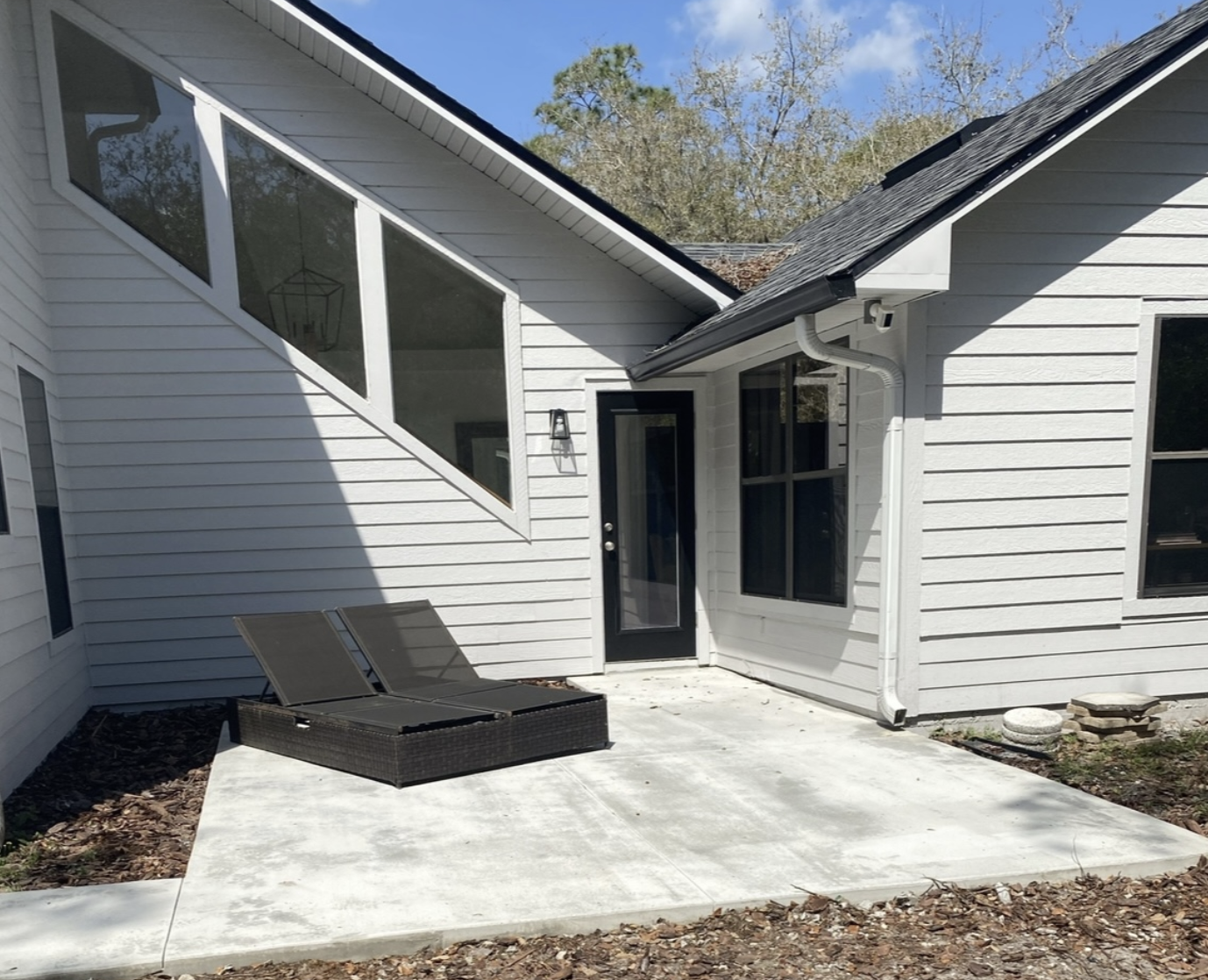
Concrete sidewalks naturally wear down over time due to constant exposure to weather, moisture, and ground movement beneath the surface. Issues like cracks, uneven sections, and sinking concrete can develop gradually, making sidewalks look damaged while also creating safety risks for people walking on them. When these problems start appearing, fixing them quickly becomes important to prevent more expensive damage later.
When repairing a damaged sidewalk, property owners usually have two common options: mudjacking or full concrete sidewalk replacement. While both methods are designed to restore the surface and improve safety, they solve the problem in different ways. One option lifts and repairs the existing concrete, while the other completely removes the old slab and installs a brand-new sidewalk. Understanding the difference between these repair methods helps you choose the most effective and cost-efficient solution for long-term results.
What Is Mudjacking?
Mudjacking is a repair technique used to lift sunken concrete slabs back to their original position without removing them. It is commonly used for sidewalks, driveways, and small concrete surfaces that have settled unevenly over time.
The main idea is to fill the empty spaces beneath the slab so it can be raised evenly. This process restores functionality without the need for full demolition or replacement, making it a popular option for minor to moderate sinking issues.
Basic Concept of Mudjacking
Mudjacking works by drilling small holes into the affected concrete surface. Through these holes, a specialized slurry mixture is pumped under pressure into the voids beneath the slab. As the mixture spreads, it fills gaps in the soil and pushes the concrete upward.
The lifting process is controlled carefully to ensure the slab returns to a level position. Once the correct height is achieved, the holes are sealed with fresh cement, blending them into the surface.
Materials Used in Mudjacking
The slurry used in mudjacking is typically a mix of water, soil, sand, and cement. This combination creates a dense material capable of supporting heavy concrete slabs once injected underneath.
In some modern applications, polyurethane foam is used instead of traditional slurry. Foam is lighter, expands quickly, and cures faster, making it a more precise but slightly more expensive alternative.
Advantages of Mudjacking
Mudjacking is a practical and cost-effective solution for repairing sunken or uneven concrete sidewalks without the need for full replacement. It restores the original level of the slab by injecting a slurry mixture beneath it, making the surface safe and functional again in a short time. This method is widely used because it is fast, affordable, and less disruptive compared to traditional concrete removal.
- It is an affordable repair option compared to full sidewalk replacement.
- It quickly lifts and levels sunken concrete without removing the slab.
- It requires minimal labor and can be completed in a few hours.
- It reduces construction waste by reusing the existing concrete structure.
- It improves safety by removing trip hazards caused by uneven surfaces.
Limitations of Mudjacking
Despite its advantages, mudjacking is not always a permanent fix. If the soil underneath continues to shift, the slab may sink again over time. It is best suited for stable ground conditions.
It also has limitations when dealing with severely cracked or broken concrete. In such cases, lifting the slab will not restore structural integrity, and replacement becomes a better option.
What Is Concrete Sidewalk Replacement?
Concrete sidewalk replacement involves removing the existing damaged slab and pouring a completely new one. It is considered a full repair method designed for severely damaged or unsafe sidewalks.
This process is more labor-intensive but provides a long-term solution. It ensures that both the surface and the base are rebuilt properly, reducing the chances of future issues.
Full Replacement Process Explained
The process begins with breaking up and removing the old concrete. Once the damaged material is cleared, the underlying soil is excavated, leveled, and compacted to create a strong foundation.
After preparing the base, fresh concrete is poured, leveled, and finished with proper smoothing techniques. The slab is then left to cure for several days, allowing it to gain full strength before use.
Benefits of Replacement
One major benefit of replacement is durability. Since the old damaged slab is completely removed, there are no hidden cracks or weaknesses left behind. This creates a stronger and more reliable surface.
Replacement also allows for better long-term improvements. Contractors can fix drainage issues, reinforce the base, and ensure the sidewalk meets modern safety and design standards.
Drawbacks of Replacement
The biggest drawback of replacement is cost. It is significantly more expensive than mudjacking due to demolition, materials, and labor requirements. For large areas, the expense can increase quickly.
Another disadvantage is downtime. The new concrete needs time to cure before it can be safely used, which may temporarily restrict access to the walkway.
When Mudjacking Is the Better Option
Mudjacking is the better choice when the sidewalk is structurally sound but uneven due to soil settlement. If the slab is still intact without major cracks, lifting it can quickly restore usability. It is also ideal for situations where budget and time are limited. Since the process is quick and affordable, it works well for homeowners who need a fast fix without major construction work.
In addition, mudjacking is suitable for light-use areas where the risk of heavy structural stress is low. As long as the ground beneath is relatively stable, it can provide a reliable mid-term solution.
When Concrete Replacement Is the Better Option
Concrete replacement becomes necessary when the sidewalk has serious structural damage. If the slab is broken, crumbling, or heavily cracked, lifting it will not restore safety or stability. It is also the preferred option when underlying soil problems keep causing repeated sinking.
In such cases, replacing the entire slab ensures a more permanent solution by rebuilding from the base up. Although more expensive, replacement offers long-term value. It reduces the need for frequent repairs and provides a durable surface that can last for decades with proper maintenance.
Key Considerations for Choosing Between Mudjacking and Concrete Replacement
Choosing between mudjacking and concrete sidewalk replacement depends on several practical and technical factors. The most important thing is the actual condition of the sidewalk, because not every sunken slab needs full replacement.
In many cases, the issue is only surface-level sinking caused by soil movement, which can be fixed without removing the concrete.
- Severe cracking requires replacement: If the concrete is broken, crumbling, or structurally weak, lifting will not solve the problem. Full replacement ensures a stronger base and a new surface.
- Soil stability affects long-term results: Stable soil allows mudjacking to last longer without issues. Unstable or eroding soil can cause repeated sinking even after repair.
- Drainage problems must be considered: Poor water drainage can keep damaging the sidewalk after repair. Replacement allows correction of the base and grading issues.
- Budget and timeline are important factors: Mudjacking is more affordable and faster to complete. Replacement costs more but offers a longer-lasting solution.
- Expected lifespan of repair: Mudjacking is suitable for short to medium-term fixes. Replacement is better when long-term durability is the priority.
Pros and Cons of Mudjacking vs Concrete Sidewalk Replacement
Mudjacking and concrete replacement both solve sidewalk problems but in very different ways. Mudjacking focuses on lifting and leveling the existing slab by filling voids underneath, making it a quick and less disruptive option. Concrete replacement, however, involves removing the old slab entirely and installing a new one, offering a more permanent structural fix.
While mudjacking is ideal for minor issues and budget-friendly repairs, it may not last as long in unstable soil conditions. Replacement provides higher durability and eliminates existing structural weaknesses, but it requires more time, labor, and cost investment.
Pros of Mudjacking
- Lower cost compared to full replacement
- Quick repair process (usually completed within hours)
- Minimal disruption to the surrounding area
- Reuses existing concrete slab
- Suitable for minor sinking issues
Cons of Mudjacking
- Not suitable for severely damaged concrete
- May not last in unstable soil conditions
- Risk of future resettling
- Limited effectiveness for deep structural issues
Pros of Concrete Sidewalk Replacement
- Long-term and highly durable solution
- Fixes both surface and base-level problems
- Eliminates old cracks and weak sections
- Improves structural safety and stability
- Better for severe or repeated damage cases
Cons of Concrete Sidewalk Replacement
- Higher cost compared to repair methods
- Longer project completion time
- More disruption during construction
- Requires full removal of the existing slab
Cost Comparison: Mudjacking vs Concrete Sidewalk Replacement
Cost is one of the most important factors when deciding between mudjacking and concrete sidewalk replacement. Mudjacking is generally more affordable because it avoids demolition and uses the existing concrete structure. It requires fewer materials and less labor, making it a cost-effective option for minor repairs.
Concrete replacement is significantly more expensive due to the full removal of old concrete, base preparation, and installation of new material. However, it provides a longer-lasting solution, which can reduce the need for future repairs and improve overall value over time.
| Factor | Mudjacking | Concrete Sidewalk Replacement |
| Initial Cost | Low | High |
| Labor Requirement | Low | High |
| Time Required | Few hours | Several days |
| Durability | Medium | High |
| Material Cost | Low | High |
| Disruption Level | Minimal | Significant |
| Lifespan | Moderate | Long-term |
Mudjacking vs Polyurethane Foam Leveling vs Sidewalk Replacement
Choosing the right sidewalk repair method often involves comparing mudjacking, polyurethane foam leveling, and full concrete replacement. Each option has its own advantages depending on the severity of damage and required precision.
Mudjacking uses a heavy slurry mixture to lift sunken slabs and is best for cost-effective repairs. Polyurethane foam leveling is a modern alternative that uses lightweight expanding foam for precise lifting and faster curing. Concrete replacement, however, remains the most complete solution for severely damaged sidewalks.
Mudjacking
Mudjacking is effective for filling large voids under concrete and restoring uneven slabs. It is affordable and widely used for residential sidewalks where cost control is important. However, the heavier material may not be ideal for weak soil conditions and can sometimes lead to re-settling over time.
It is best suited for moderate sinking issues where the slab is still in good condition. The process is quick, but it may not provide the same long-term precision as newer methods like foam leveling.
Polyurethane Foam Leveling
Polyurethane foam leveling uses expanding foam that is injected beneath the slab to lift and stabilize it. It is lightweight, fast-curing, and highly precise, making it ideal for projects requiring minimal downtime. It also creates less pressure on the soil compared to mudjacking.
However, it is generally more expensive than mudjacking. While it offers excellent performance for long-term stability, it may not always be necessary for simple or low-budget repairs.
Sidewalk Replacement
Concrete sidewalk replacement is the most comprehensive repair method, involving full removal and reconstruction of the damaged slab. It is recommended when the sidewalk has severe cracks, structural failure, or repeated sinking issues.
Although it has the highest cost and longest completion time, it provides the strongest and most durable result. It completely resets the structure, ensuring long-term safety and stability for heavily damaged sidewalks.
Conclusion
Mudjacking and concrete sidewalk replacement both serve important roles in repairing damaged or uneven sidewalks, but they are designed for different levels of damage. Mudjacking is best suited for minor to moderate sinking issues where the slab is still structurally strong. It offers a quick, affordable, and less disruptive solution that restores functionality without the need for full demolition.
On the other hand, concrete sidewalk replacement is a more permanent solution for severely damaged or cracked sidewalks. While it requires higher cost and longer construction time, it delivers long-term durability and structural strength. Choosing between the two depends on the condition of the sidewalk, budget, and long-term performance expectations.
FAQs
Is mudjacking cheaper than concrete sidewalk replacement?
Yes, mudjacking is significantly cheaper because it reuses the existing slab instead of removing and rebuilding it. It also requires less labor and material cost compared to full replacement.
How long will mudjacking last?
Mudjacking can last around 5 to 10 years, depending on soil conditions and drainage. In stable ground, it may last even longer with proper maintenance.
Which is better, mudjacking or foam?
Polyurethane foam is more precise and durable, while mudjacking is more affordable. Foam is better for long-term stability, but mudjacking is ideal for budget-friendly repairs.
What is the average cost to replace a sidewalk?
The cost of sidewalk replacement varies by location and size, but it is generally much higher than repair methods. It includes demolition, material, labor, and finishing expenses.
Can mudjacking fix cracked sidewalks?
Mudjacking can lift and level sidewalks, but cannot repair severe structural cracks. If the concrete is badly broken, replacement is usually the better option.
Does sidewalk replacement increase property value?
Yes, a newly replaced sidewalk improves curb appeal and safety, which can positively impact property value. It also reduces future maintenance concerns for buyers.
Professional Concrete Services in Orlando, FL
Accu-Krete provides reliable concrete installation, repair, decorative concrete, patios, driveways, and sidewalk solutions for homeowners and businesses across Orlando and nearby areas.