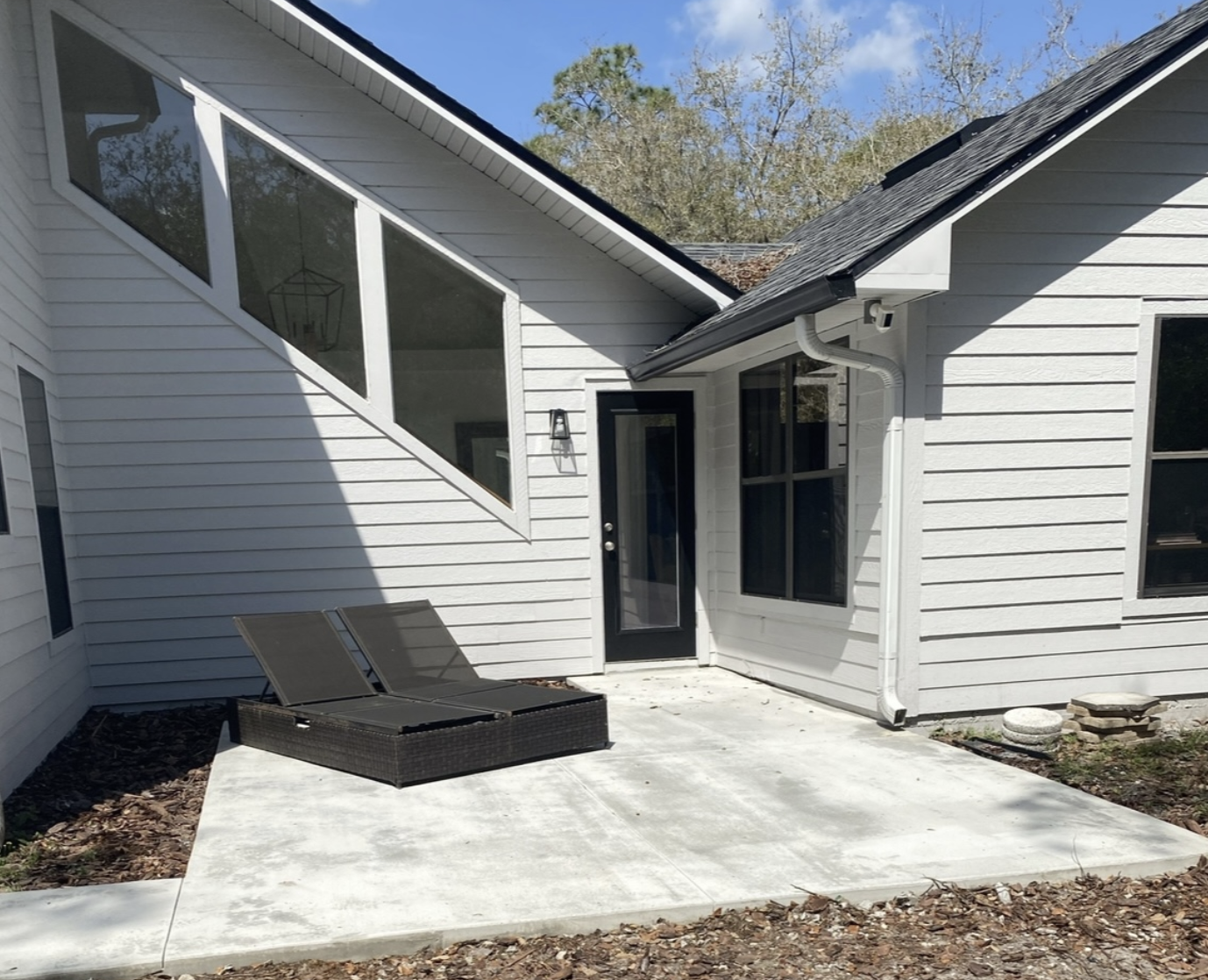
Sidewalk slab settlement is one of the most common — and most overlooked — concrete problems homeowners deal with. It happens when one or more slabs sink below their original level because the ground underneath shifts, erodes, or loses its ability to hold the weight above it. That uneven surface might look like a minor eyesore at first, but it quickly becomes a tripping hazard, a drainage headache, and a sign that something beneath your walkway is failing.
The good news is that a settlement rarely happens overnight. It builds gradually, which means you have a window to catch it early if you know what to look for. A slight tilt in a slab, a small gap at the joint, water pooling after rain — these are the early signals that your sidewalk is starting to shift. Acting on those signs before the problem progresses can be the difference between a simple repair and a full slab replacement.
What Is Sidewalk Slab Settlement?
Sidewalk slab settlement refers to the downward movement or sinking of concrete panels that make up a sidewalk. This happens when the supporting soil underneath the slab becomes weak, loose, or uneven. As the ground shifts, the concrete loses its level support and begins to tilt, drop, or crack.
Unlike surface-level cracks, slab settlement is a structural issue rooted in the foundation beneath the sidewalk. It can affect a single slab or multiple sections along a walkway. In severe cases, the height difference between slabs can become significant enough to cause tripping hazards or water pooling. The condition often indicates underlying soil instability that needs to be addressed before further damage spreads.
Top 6 Causes of Sidewalk Slab Settlement
Sidewalk settlement does not happen randomly; it is usually the result of specific environmental, structural, or construction-related issues. Below are the six most common causes.
1. Soil Erosion and Washout
Soil erosion is one of the leading causes of sidewalk slab settlement. When water flows beneath or around the concrete, it gradually carries away fine soil particles that support the slab. Over time, this creates empty voids under the sidewalk.
As these voids expand, the concrete loses its base support and begins to sink into the gaps. Poor surface drainage, heavy rainfall, or improperly sloped walkways can significantly increase the risk of erosion. Once washout begins, the settlement process often accelerates.
2. Tree Root Intrusion
Tree roots naturally grow in search of moisture and nutrients, often spreading beneath sidewalks. While roots are not always destructive, they can disrupt soil stability by pushing soil aside or creating uneven pressure beneath concrete slabs.
In some cases, roots may lift sections of the sidewalk, while in others, they may contribute to soil displacement that leads to settlement in adjacent areas. As trees mature, their expanding root systems increase the likelihood of uneven support under the pavement.
3. Freeze-Thaw Cycles
In regions with colder climates, freeze-thaw cycles can significantly impact sidewalk stability. When water enters the soil and freezes, it expands, pushing soil particles apart. Once it thaws, the soil contracts and leaves behind small voids.
Repeated freezing and thawing gradually weakens the soil structure beneath the slab. Over time, this cycle leads to uneven settling, cracking, and surface displacement. Even minor moisture intrusion can cause long-term damage in areas with frequent temperature changes.
4. Poor Soil Compaction During Construction
One of the most preventable causes of slab settlement is improper soil compaction during sidewalk installation. If the soil beneath the concrete is not compacted adequately, it will naturally settle over time under the weight of the slab.
This delayed settling creates uneven surfaces and weak support zones. Construction shortcuts, rushed projects, or lack of proper equipment often contribute to this issue. Once settlement begins due to poor compaction, it is difficult to reverse without lifting and stabilizing the slab.
5. Water Drainage Issues
Water is one of the most influential factors in sidewalk settlement. Poor drainage allows water to accumulate around or beneath the slab, weakening the soil structure over time. Continuous exposure to moisture reduces soil density and increases erosion risk.
Blocked gutters, improper grading, or leaking downspouts can all contribute to drainage-related settlement. When water consistently flows toward the sidewalk instead of away from it, the underlying soil gradually loses its ability to support the concrete.
6. Utility Line Leaks or Excavation
Underground utility lines such as water pipes, sewer lines, or gas lines can also contribute to slab settlement when leaks occur. A slow leak beneath a sidewalk can saturate and wash away supporting soil, creating hidden voids.
Similarly, excavation work for repairs or installations can disturb soil layers beneath the pavement. If the soil is not properly restored and compacted after digging, settlement may occur months or even years later. These issues often develop silently before visible surface damage appears.
Warning Signs of Sidewalk Slab Settlement You Should Never Ignore
Sidewalk slab settlement usually develops gradually, but the early warning signs are clearly visible if you know what to look for. These signs often indicate that the soil beneath the concrete is weakening or shifting, and ignoring them can lead to more serious structural damage and safety hazards over time.
- Uneven or sunken slabs: One of the most obvious signs is when a sidewalk slab sits lower than the surrounding sections. Even a small height difference can indicate that the soil underneath has started to shift or collapse.
- Cracks forming across the surface or joints: Cracks often appear when the slab loses proper support from beneath. These cracks may widen over time if the settlement continues.
- Water pooling in certain areas: If water collects on specific parts of the sidewalk instead of draining away, it usually means the surface is no longer level due to settlement.
- Gaps between slabs or edges: Visible gaps forming between concrete sections or along curbs suggest that the ground has moved or sunk away from the original position.
- Hollow sound when walking on slabs: A hollow or empty sound underfoot often indicates voids beneath the concrete where soil has eroded or washed out.
- Tilting or rocking movement: If a slab shifts slightly when stepped on, it shows a serious loss of support and can become a tripping hazard if not repaired soon.
4 Best Sidewalk Slab Settlement Repair Methods Compared
Sidewalk slab settlement can be corrected using different repair techniques depending on the severity of the issue, soil condition, and budget. Some methods focus on lifting and leveling the existing slab, while others involve replacing damaged sections entirely.
Choosing the right solution depends on how stable the underlying soil is and how much the slab has shifted over time.
Method 1 — Mudjacking
Mudjacking is a traditional repair method where a cement-based slurry is pumped beneath the settled slab to lift it back into position. Small holes are drilled into the concrete, and the mixture is injected to fill voids and restore support. Once the material hardens, it helps stabilize the slab and correct uneven surfaces.
This method is cost-effective and works well for moderate settlement issues. However, it uses heavier materials, which may not be ideal for weak soil conditions or highly saturated ground.
Method 2 — Polyurethane Foam Injection
Polyurethane foam injection is a modern lifting technique where lightweight expanding foam is injected beneath the slab. The foam expands quickly, filling voids and gently raising the concrete to its original level.
This method is known for its precision, fast curing time, and minimal disruption. It is especially effective in areas with ongoing moisture issues because the foam is water-resistant and lightweight, reducing the risk of further soil compression.
Method 3 — Concrete Grinding
Concrete grinding does not fix the underlying soil problem but helps correct surface-level unevenness. A specialized grinding machine is used to shave down higher sections of the slab to match the level of adjacent areas.
This is a quick and affordable solution for minor height differences. However, it is only suitable when settlement is very small and does not continue to progress over time.
Method 4 — Full Concrete Replacement
Full concrete replacement involves removing the damaged slab entirely and installing a new one with properly prepared and compacted soil underneath. This method is used when settlement is severe or when multiple slabs are badly damaged.
Although it is the most expensive option, it provides a long-term solution by addressing both the surface and the underlying soil issues. Proper installation is crucial to prevent future settlement.
Sidewalk Slab Settlement Repair Cost
The cost of repairing sidewalk slab settlement depends on the repair method, severity of damage, slab size, and local labor rates. Simple surface fixes are generally more affordable, while structural repairs or full replacements require a higher investment.
Mudjacking and foam injection are typically mid-range solutions, while grinding is the least expensive but only suitable for minor issues. Full replacement costs the most due to demolition, material, and installation work. In most cases, addressing the issue early helps reduce overall repair expenses significantly.
Mudjacking vs. Polyurethane Foam: Which Should You Choose?
Both mudjacking and polyurethane foam injection are effective methods for fixing sidewalk slab settlement, but the right choice depends on soil conditions, budget, and long-term performance needs.
Mudjacking is often used for heavier lifting at a lower cost, while polyurethane foam offers a more modern, lightweight, and precise solution with faster curing and better resistance to moisture. Understanding their differences helps you select the most suitable repair approach for your specific situation.
| Feature | Mudjacking | Polyurethane Foam Injection |
| Material Type | Cement-based slurry | Expanding polyurethane foam |
| Weight | Heavy | Very lightweight |
| Installation Time | Moderate | Fast |
| Curing Time | Slow | Very fast |
| Cost | Generally lower | Slightly higher |
| Durability | Good in stable soils | Excellent in weak/moist soils |
| Precision Level | Moderate | High precision |
| Water Resistance | Limited | Highly resistant |
| Best Use Case | Budget repairs, stable soil | Long-term fix, soft or wet soil conditions |
How to Prevent Sidewalk Slab Settlement
Preventing sidewalk slab settlement is mainly about maintaining strong soil support and controlling water movement around the concrete. Proper construction practices and ongoing maintenance play a major role in reducing long-term risks.
- Ensure proper soil compaction before sidewalk installation
- Maintain effective drainage to prevent water pooling near slabs
- Keep gutters and downspouts directed away from walkways
- Avoid excessive watering near sidewalk edges and landscaping areas
- Inspect sidewalks regularly for early signs of sinking or cracking
- Address small cracks and gaps before they expand into larger issues
- Manage tree growth near sidewalks to reduce root pressure and soil disturbance
Conclusion
Sidewalk slab settlement is not just a cosmetic issue; it is a structural concern that directly affects safety, durability, and long-term maintenance costs. When concrete slabs begin to sink, it usually indicates that the soil underneath has lost stability due to erosion, poor compaction, water intrusion, or other environmental factors. Addressing the problem early can prevent further sinking and reduce the risk of tripping hazards or costly full replacements.
Choosing the right repair method—whether mudjacking, polyurethane foam injection, grinding, or replacement—depends on the severity of settlement and underlying soil conditions. Regular inspection and timely repair play a key role in extending the lifespan of sidewalks and maintaining a safe walking surface for pedestrians.
Frequently Asked Questions (FAQ)
Q1: How long does leveled concrete last after mudjacking?
Mudjacking repairs typically last 5 to 10 years, depending on soil conditions and drainage quality. If the underlying soil remains stable, the results can last even longer.
Q2: Can I walk on the sidewalk immediately after repair?
In most cases, you can walk on the sidewalk within a few hours after mudjacking. However, it is recommended to wait at least 24 hours for best stability.
Q3: Is sidewalk slab settlement covered by homeowners’ insurance?
Coverage varies by policy, but most homeowners’ insurance plans do not cover gradual settlement. It is usually considered a maintenance issue unless caused by a sudden event.
Q4: How do I know if I need mudjacking or full replacement?
If the slab is mostly intact with minor sinking, mudjacking is usually enough. Full replacement is needed when the concrete is heavily cracked, broken, or structurally damaged.
How soon can you walk on a sidewalk after mudjacking?
You can typically walk on it within 2–4 hours after the process. Light foot traffic is safe once the slurry has partially set.
How many holes does mudjacking require per slab?
Most slabs require 2 to 4 small injection holes, depending on size and the extent of voids beneath the concrete. Larger or more damaged slabs may need additional injection points.
Professional Concrete Services in Orlando, FL
Accu-Krete provides reliable concrete installation, repair, decorative concrete, patios, driveways, and sidewalk solutions for homeowners and businesses across Orlando and nearby areas.