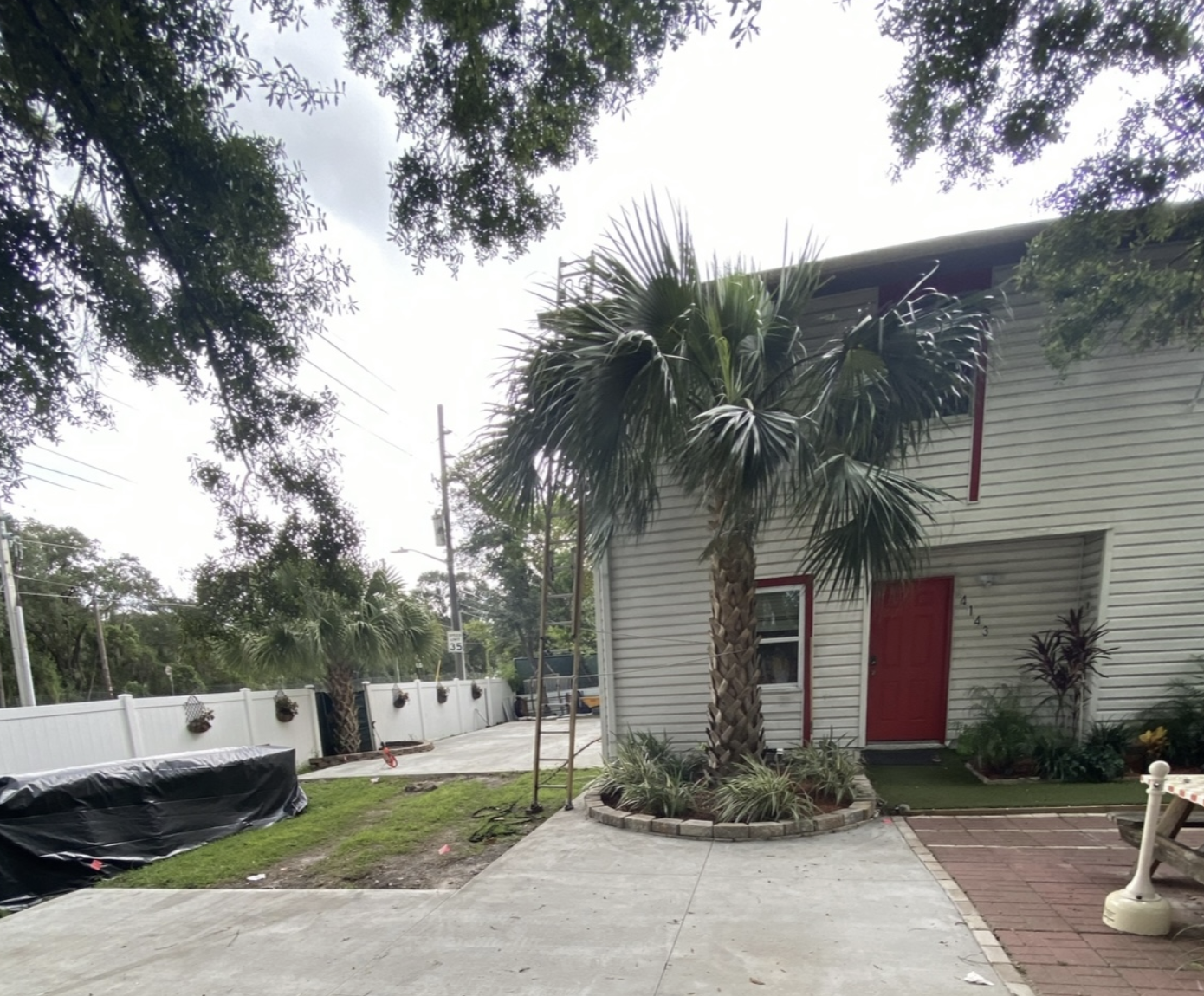
Tree roots and concrete sidewalks are in a constant, slow-motion conflict. As trees mature, their roots push outward and downward in search of water and nutrients — and concrete slabs sitting directly in their path don’t stand much of a chance. The pressure builds gradually, often invisibly, until the surface cracks, lifts, or buckles into an uneven hazard that trips pedestrians and creates liability for property owners. By the time the damage is visible, it’s usually been developing underground for years.
What makes this problem difficult is that neither side is wrong. Trees are not a nuisance — they provide shade, improve air quality, reduce urban heat, and add real value to neighborhoods. But their root systems follow natural growth patterns that frequently clash with built infrastructure. Managing tree root sidewalk damage means finding solutions that protect both the walkway and the tree, rather than simply removing one to save the other.
Can a Sidewalk Be Repaired Without Killing the Tree?
It is often possible to repair a sidewalk without killing the tree, but it requires careful planning and the right techniques. The main goal is to avoid damaging the tree’s critical root system, which is essential for its stability and survival. Instead of removing major roots, professionals focus on methods that reduce pressure on the sidewalk while keeping the tree healthy.
In many cases, contractors use solutions like root-sensitive repair methods, such as lifting slabs, installing flexible paving, or redirecting sidewalk paths. These approaches reduce the need for deep digging, which can harm important roots.
Root-Friendly Repair Techniques
Root-friendly repair techniques are methods used to fix damaged sidewalks while protecting nearby tree roots from unnecessary cutting or disturbance. These approaches focus on reducing excavation and using smarter materials that can adjust to natural root growth.
They help maintain both sidewalk safety and long-term tree health in urban environments.
- Use slab lifting instead of full replacement to avoid disturbing underground roots.
- Install flexible pavers that move slightly with natural root growth.
- Add root barriers to guide roots away from sidewalk foundations.
- Avoid deep excavation near mature trees to protect essential root systems.
- Check soil conditions before repair to choose the safest method.
- Hire experienced contractors who understand tree and sidewalk balance.
Tree Removal Becomes Unavoidable
In rare situations, tree removal may be considered if the damage is extremely severe or if the tree is already structurally unsafe. This usually happens when roots have completely lifted large sections of sidewalk, creating ongoing hazards that cannot be fixed with minor repairs.
However, removal is always treated as a last option. Professionals first evaluate alternatives such as root pruning, redesigning the sidewalk path, or reducing pavement width. The decision is based on safety risks, tree health, and long-term maintenance costs.
How Tree Roots Damage Sidewalks Over Time
Tree roots damage sidewalks gradually as they expand beneath the surface in search of space, oxygen, and water. Most urban trees develop shallow root systems due to compacted soil, causing roots to spread horizontally under sidewalks. As these roots thicken over time, they exert upward pressure on concrete slabs.
This slow but continuous pressure leads to visible issues such as cracks, uneven surfaces, and lifted sections. Weather conditions like rain and temperature changes further worsen the damage, especially when water gets trapped in small cracks and expands during freezing conditions.
Root Growth and Soil Movement
Tree roots naturally grow in all directions, but they prefer loose, nutrient-rich soil. In urban environments, soil beneath sidewalks is often compacted, forcing roots to grow sideways instead of downward. This sideways growth increases the chances of interference with concrete pathways.
As roots expand, they displace surrounding soil, creating uneven ground support. This results in sections of the sidewalk sinking while others rise. Over time, this uneven movement creates a wavy or broken walking surface that becomes hazardous for pedestrians.
Environmental and Structural Factors
Environmental conditions play a major role in how quickly damage occurs. Areas with frequent rainfall or poor drainage encourage faster root growth, while dry conditions may slow it slightly. However, roots will always continue seeking moisture, often beneath paved surfaces.
The quality of sidewalk construction also matters. Thin concrete slabs or poorly compacted bases are more likely to fail under root pressure. In contrast, well-reinforced sidewalks can withstand minor root expansion for longer, though they are not completely immune to damage.
How Contractors Assess Root and Sidewalk Damage
Contractors begin by carefully inspecting the sidewalk to understand the extent of visible damage. They look for cracks, lifting, gaps, and uneven surfaces that indicate root interference. This helps them determine whether the damage is surface-level or caused by deeper structural movement.
Visual Inspection and Structural Analysis
The first step in assessment is a detailed visual inspection of the entire affected area. Contractors measure the severity of cracks and determine whether the sidewalk is still structurally stable. They also check how far the damage extends along connected slabs.
This analysis helps them decide whether localized repair is sufficient or if a full replacement is necessary. It also helps predict whether the damage is likely to worsen in the future.
Soil and Root Behavior Evaluation
Contractors study soil conditions around the sidewalk to understand root activity. Moist or raised soil often indicates active root growth, while compact or dry soil suggests older, stabilized systems. These clues help predict future expansion risks.
They also observe tree health, including trunk size and canopy spread, to estimate the strength and extent of the root system. This evaluation helps determine whether the tree can safely tolerate any root trimming.
Repair Planning and Engineering Solutions
Once the assessment is complete, contractors develop a repair strategy based on safety, durability, and environmental impact. Options may include slab replacement, sidewalk rerouting, or partial root management.
In many modern projects, engineers prioritize long-term coexistence between trees and sidewalks. This includes installing root barriers, improving soil aeration, and using flexible paving systems that reduce future damage risks.
Root-Safe Sidewalk Repair Methods
Root-safe sidewalk repair methods are designed to fix damaged concrete while protecting the tree’s root system. Instead of removing or cutting large structural roots, these methods focus on working around natural root growth. This approach ensures long-term sidewalk stability without harming the tree’s health or survival.
These techniques are widely used in modern urban infrastructure projects where trees and sidewalks coexist. The goal is to reduce future damage while maintaining safe pedestrian pathways using flexible and minimally invasive construction methods.
Flexible Paver Systems
Flexible pavers are one of the most effective root-safe solutions. Unlike solid concrete, they adjust slightly when roots expand underneath, reducing cracking and lifting issues.
They are also easy to repair because individual blocks can be replaced without disturbing the entire surface. This makes them cost-efficient and highly suitable for tree-heavy areas.
Root Barrier Installation
Root barriers are physical underground structures that guide roots away from sidewalks. Instead of stopping growth, they redirect roots deeper into the soil.
This method helps prevent future sidewalk lifting and reduces long-term maintenance costs while keeping trees healthy and stable.
Slab Lifting Techniques
Slab lifting techniques are a non-invasive sidewalk repair method used to correct uneven or sunken concrete without removing the slab. Instead of full replacement, contractors raise the existing concrete by injecting materials underneath it.
This approach is especially useful in tree root sidewalk damage cases because it minimizes excavation and helps protect nearby root systems while restoring a safe walking surface.
- Use polyurethane foam injection for lightweight and precise lifting of concrete slabs.
- Choose mudjacking for larger or heavier sidewalks needing strong support.
- Drill small holes only to reduce disturbance to nearby tree roots.
- Lift slabs gradually to avoid cracking or misalignment during repair.
- Inspect soil voids before lifting to ensure long-term stability.
Cost Comparison: Repair Method vs Tree Impact
The cost of fixing tree root sidewalk damage depends on the repair method used and how much protection is given to the tree. Simple repairs may look cheaper at first, but they often fail when root pressure continues underneath the surface.
On the other hand, root-safe solutions may cost more initially but provide better long-term savings by reducing repeated damage and maintenance needs. Tree impact also plays a hidden financial role because damaging or removing mature trees adds environmental and replacement costs that are often overlooked.
| Repair Method | Estimated Cost Level | Tree Impact | Long-Term Value | Maintenance Need |
| Basic Concrete Patch | Low | Moderate to High risk of root damage | Low (temporary fix) | High (frequent repairs needed) |
| Slab Lifting | Low to Medium | Minimal impact on roots | Medium (short to mid-term solution) | Medium |
| Root Barriers Installation | Medium | Low impact, protects root direction | High (prevents future damage) | Low |
| Flexible Paver System | Medium to High | Very low impact on roots | High (long-lasting solution) | Low |
| Full Sidewalk Replacement | High | High risk if roots are removed | Variable (depends on design) | Medium to High |
How to Choose a Tree-Root-Safe Sidewalk Contractor
Choosing the right contractor for tree root sidewalk damage is essential because the wrong approach can permanently harm both the sidewalk and the tree. A skilled contractor understands how root systems interact with soil and concrete and uses repair methods that minimize excavation and long-term damage.
Instead of pushing for full replacement, they focus on balanced solutions like slab lifting, root barriers, or flexible paving systems that protect tree health. It is also important to evaluate a contractor’s experience and approach before hiring.
Professionals with a background in urban landscaping or tree-related infrastructure repair are more likely to provide accurate assessments. Checking previous projects, customer feedback, and their knowledge of modern root-safe techniques helps ensure that the work will be durable, cost-effective, and environmentally responsible.
Preventing Future Root Damage After Repair
Preventing future root damage is essential to ensure that repaired sidewalks remain stable for years. Without preventive steps, tree roots can continue growing and eventually cause the same structural issues again.
A long-term approach focuses on controlling root direction, improving soil conditions, and using sidewalk designs that can adapt to natural growth.
- Choose tree species with non-aggressive root systems to reduce future sidewalk pressure. Proper selection at the planting stage prevents most long-term damage issues.
- Maintain safe planting distance between trees and sidewalks to allow natural root expansion without structural interference.
- Improve soil drainage and aeration, so roots grow deeper instead of spreading sideways under concrete surfaces.
- Install root barriers during or after repair to guide root growth away from paved areas and reduce future lifting risks.
- Schedule regular inspections of sidewalks and trees to detect early signs of movement or cracking before major damage occurs.
Conclusion
Tree root sidewalk damage is a long-term issue that develops when natural root growth meets rigid concrete infrastructure. While it may look like a simple surface problem, it actually involves both structural engineering and tree health considerations. The best solutions always focus on balancing safety for pedestrians with preservation of mature trees, which provide environmental and aesthetic value to urban areas.
Instead of relying on full replacement or root removal, modern repair strategies prioritize root-safe methods such as slab lifting, flexible paving, and root barriers. These solutions reduce future maintenance costs and help maintain healthy trees without compromising sidewalk stability. A well-planned approach ensures both infrastructure durability and sustainable urban landscaping.
Frequently Asked Questions
Will the city remove my tree to fix the sidewalk?
In most cases, cities try to avoid removing trees because they provide environmental benefits and community value. Tree removal only happens if the tree is structurally unsafe or causes severe damage that cannot be repaired.
Can I cut tree roots myself to fix a sidewalk?
Cutting tree roots yourself is not recommended because it can seriously damage or destabilize the tree. Root pruning should only be done by trained professionals after proper assessment.
Does grinding a sidewalk work as well as replacing it?
Sidewalk grinding can temporarily level uneven surfaces, but it does not fix underlying root pressure. Replacement or root-safe repair methods are more effective for long-term results.
How to fix sidewalk raised by tree roots?
The most effective solution is slab lifting, paver adjustment, or installing root barriers. These methods correct the surface while minimizing damage to the tree.
Who is responsible if tree roots are causing damage?
Responsibility depends on local laws, but in many areas, homeowners are responsible for sidewalk maintenance even if tree roots are involved. Some cities may share or provide partial assistance.
What do you do if tree roots are damaging the foundation?
If roots affect a building foundation, a structural engineer should assess the damage immediately. Solutions may include root barriers, root pruning, or foundation reinforcement, depending on severity.
Professional Concrete Services in Orlando, FL
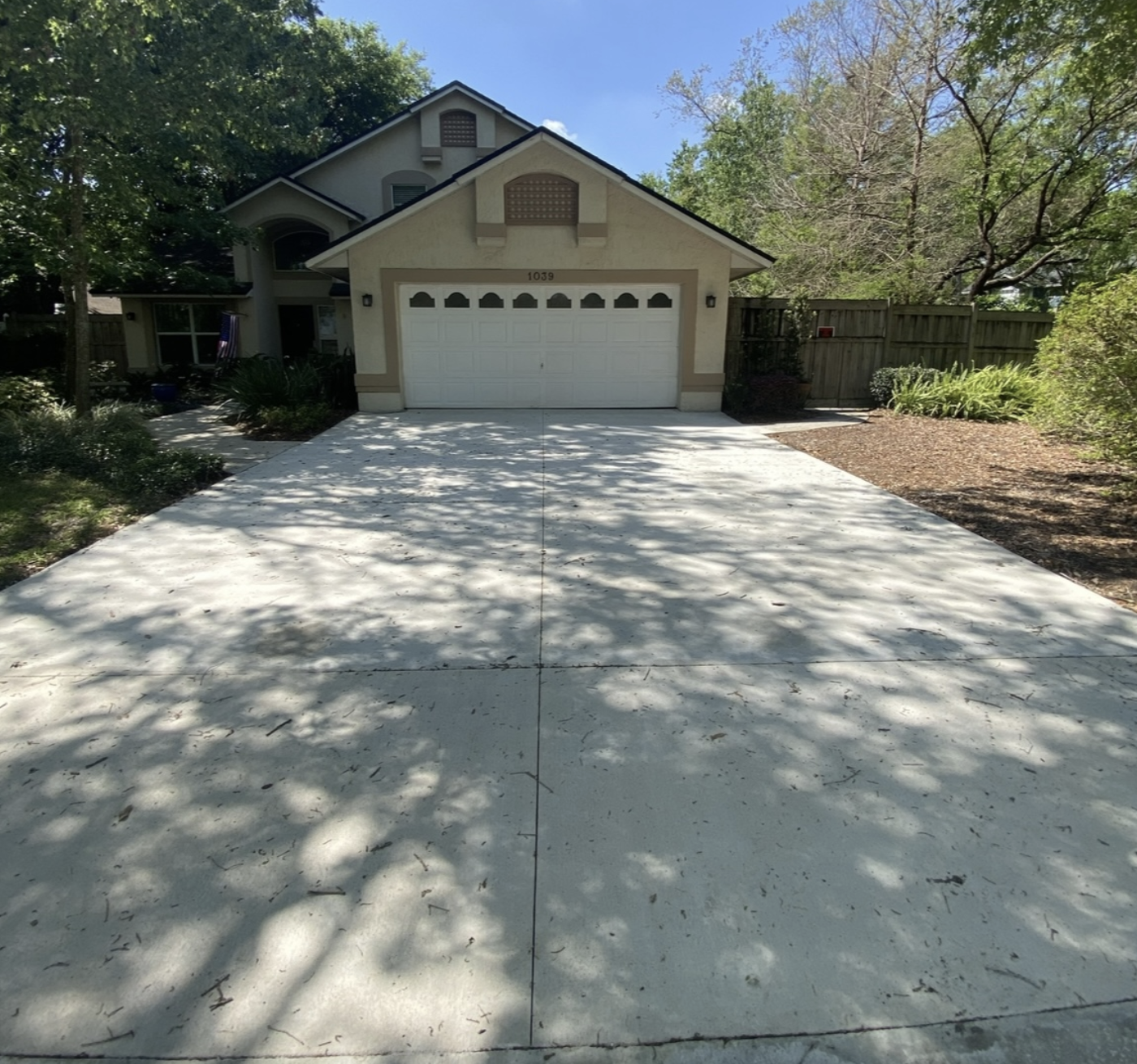
Accu-Krete provides reliable concrete installation, repair, decorative concrete, patios, driveways, and sidewalk solutions for homeowners and businesses across Orlando and nearby areas.