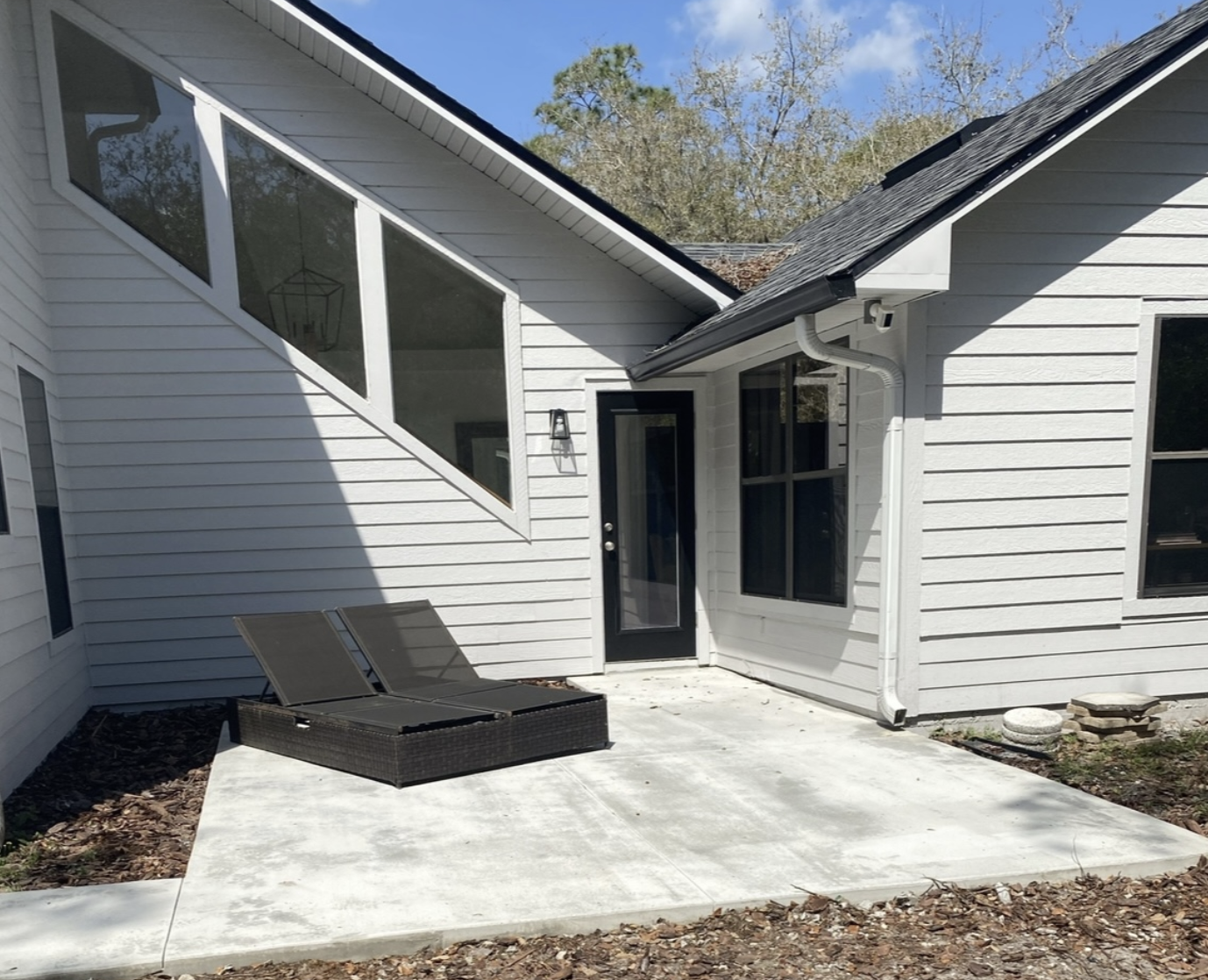
A concrete sidewalk often goes unnoticed until problems like cracks, sinking slabs, or uneven surfaces start to appear. At that point, property owners must decide whether a simple repair is enough or if a full replacement is needed. In many cases, minor damage can be fixed effectively, restoring safety and appearance without major work.
The right choice depends on the overall condition of the sidewalk, including its age, base stability, and level of damage. If issues are small and isolated, repairs are usually more cost-effective. However, if the concrete is widely cracked, shifting, or structurally weak, replacement is often the safer long-term solution. Making the correct decision helps ensure durability, safety, and better value over time.
Key Factors in Deciding When to Repair vs Replace a Concrete Sidewalk
Deciding whether to repair or replace a concrete sidewalk requires a close inspection of its condition. Not all cracks or uneven sections mean the entire sidewalk needs to be removed. However, ignoring deeper structural issues can lead to repeated problems and higher long-term costs. Evaluating key factors helps determine the most practical solution.
Extent of Damage in Concrete Sidewalk
The severity and type of damage are the first things to assess. Small surface cracks or minor chipping are usually repairable without removing the slab. These issues often come from normal wear and weather exposure and can be handled with targeted repair methods.
However, if the sidewalk has deep cracks, widespread breaking, or multiple fractured sections, replacement becomes more likely. Extensive structural damage often indicates that the concrete has lost its integrity. In such cases, patching alone may not provide a durable or safe solution.
Safety Conditions of the Sidewalk
Safety is a major factor when evaluating sidewalk conditions. Uneven slabs, raised edges, or sunken areas can create serious trip hazards for pedestrians. Even minor height differences between slabs can become dangerous over time.
If the sidewalk poses a clear safety risk that cannot be corrected through leveling or resurfacing, replacement is often the better option. Repair works well when hazards are isolated and can be corrected without compromising overall stability. But widespread safety concerns usually point toward a full rebuild.
Age and Condition of the Concrete Sidewalk
The age of the sidewalk plays an important role in decision-making. Newer sidewalks with minor damage are generally good candidates for repair. These structures still have strong internal integrity and respond well to surface fixes or leveling.
Older sidewalks, especially those over 20–30 years old, may have weakened concrete throughout the slab. In such cases, visible damage is often a sign of deeper deterioration. If the concrete is nearing the end of its lifespan, replacement is typically more cost-effective than repeated repairs.
Soil Movement and Base Stability
The condition of the soil beneath the sidewalk is just as important as the concrete itself. Soil shifting, erosion, or poor compaction can cause slabs to sink, crack, or become uneven. If the base is unstable, repairing the surface alone will not solve the root problem.
When soil movement is minor, solutions like slab leveling can restore the sidewalk effectively. But if there is significant ground instability or repeated sinking, full replacement may be necessary. A stable base is essential for long-lasting sidewalk performance.
Repair vs Replace Concrete Sidewalk: Cost Comparison
Cost plays a major role in the decision-making process. Repairs usually require less upfront investment and are suitable for minor or localized damage. They can extend the life of a sidewalk without full reconstruction.
However, when damage is extensive or recurring, repair costs can accumulate over time. In such cases, replacement may be more economical in the long run because it eliminates ongoing maintenance issues and provides a fresh, durable structure.
| Factor | Repair Concrete Sidewalk | Replace Concrete Sidewalk |
| Cost | Lower upfront cost | Higher upfront cost |
| Damage Level | Minor cracks, small surface issues | Severe cracking, broken slabs |
| Safety | Fixes localized hazards | Resolves major safety risks |
| Durability | Short to medium-term solution | Long-term structural solution |
| Soil Issues | Works if base is stable | Required if soil is unstable |
| Lifespan Extension | Moderate improvement | Full reset of lifespan |
| Maintenance Needs | May require repeated repairs | Minimal after replacement |
Best Methods for Concrete Sidewalk Repair
There are several effective methods used to restore damaged sidewalks, depending on the type of issue. Each technique targets a specific problem, from cracks to uneven surfaces. Choosing the right method ensures durability and improves safety.
Crack Filling in Sidewalk Concrete
Crack filling is one of the most common repair methods for minor damage. It involves sealing cracks with specialized materials to prevent water from entering and expanding the damage. This helps extend the life of the concrete and maintains surface integrity.
This method works best for small, non-structural cracks. It is a quick and cost-effective solution, but may not be suitable for large or deep fractures. Regular inspection is important to ensure cracks do not worsen over time.
Slab Leveling (Mudjacking or Foam Injection)
Slab leveling is used when sidewalk sections become uneven due to soil movement. Techniques like mudjacking or foam injection lift the sunken slabs back into their original position. This restores a smooth walking surface without full replacement.
This method is highly effective for trip hazards caused by sinking concrete. It also helps stabilize the slab by filling voids underneath. However, it is only suitable when the concrete itself is still structurally sound.
Surface Resurfacing for Damaged Sidewalks
Surface resurfacing is ideal for sidewalks with widespread surface wear but no serious structural damage. A thin overlay of new concrete is applied to refresh the appearance and improve durability. It can significantly enhance the look of an old sidewalk.
This method provides a cost-effective alternative to replacement when damage is mostly cosmetic. However, it requires a stable base underneath to ensure long-lasting results. If underlying issues exist, resurfacing alone may not be enough.
Concrete Sidewalk Replacement Process Explained
Replacing a concrete sidewalk is more than just breaking old slabs and pouring new concrete. It’s a structured process that ensures the new surface is strong, level, and long-lasting. Each step plays an important role in preventing future cracks, sinking, or uneven settling.
When done properly, a full replacement not only fixes visible damage but also addresses underlying issues like weak soil or poor drainage. This makes it a long-term solution compared to repeated repairs.
Removing Old Sidewalk Concrete
The first step is the removal of the existing damaged sidewalk. Heavy tools or machinery are used to break and lift the old concrete slabs. This clears the area so a fresh foundation can be built. All broken pieces are hauled away to ensure a clean working surface. Proper removal is important because leftover debris can affect the stability of the new sidewalk.
Preparing Base for New Sidewalk
Once the old concrete is removed, the ground beneath is carefully prepared. The soil is leveled, compacted, and sometimes reinforced with gravel to create a stable base. A strong base is essential because most sidewalk failures start from below. Proper preparation helps prevent sinking, cracking, and uneven surfaces in the future.
Pouring New Concrete Sidewalk
After base preparation, fresh concrete is poured into the designated area. It is spread evenly and shaped according to the required thickness and slope. This step ensures proper alignment and structural strength. A well-poured sidewalk provides durability and resistance against daily wear and weather conditions.
Finishing and Curing for Durability
Once poured, the surface is smoothed and finished to achieve the desired texture. Control joints may also be added to manage future cracking. The curing process is equally important, as it allows the concrete to gain full strength. Proper curing improves durability and extends the lifespan of the sidewalk significantly.
Extend Life of Concrete Sidewalk After Repair or Replacement
A concrete sidewalk can last for many years if it is properly maintained after repair or full replacement. Even a strong installation can develop issues over time if it is exposed to water damage, soil movement, or lack of care. That’s why regular maintenance plays a key role in keeping the surface safe and durable.
Simple preventive steps can significantly extend the lifespan of the sidewalk and reduce the need for costly repairs in the future. By addressing small issues early and protecting the surface from common causes of damage, you can maintain both strength and appearance for a longer time.
- Proper Drainage Around Sidewalk: Good drainage prevents water from collecting near or under the sidewalk. Standing water can weaken the soil and lead to cracking or sinking over time.Â
- Tree Root Control Near Concrete Areas: Tree roots can grow underneath sidewalks and push the slabs upward. This often causes uneven surfaces and creates trip hazards. Plant trees at a safe distance from concrete areas. You can also use root barriers to control underground growth.
- Regular Cleaning and Sealing: Regular cleaning helps remove dirt, debris, and stains that can damage the surface. It also keeps the sidewalk looking fresh and well-maintained. Applying a sealant adds a protective layer against moisture and weather effects.Â
- Early Crack Maintenance: Small cracks should be repaired as soon as they appear. If ignored, they can expand and allow water to enter the concrete. Early repair prevents more serious structural damage.Â
- Regular Inspection: Checking the sidewalk regularly helps identify early signs of damage. Small issues can be fixed before they turn into major problems. Routine inspection improves safety and reduces long-term repair costs.Â
Conclusion
Deciding between repairing or replacing a concrete sidewalk depends on the level of damage, safety risks, and long-term performance expectations. Minor cracks and surface issues can often be managed with simple repair techniques, while deeper structural problems or unstable soil conditions usually require full replacement for lasting results.
The right choice also comes down to cost efficiency and future maintenance needs. While repair may seem cheaper initially, repeated issues can make replacement the more practical solution over time. A proper inspection helps ensure the sidewalk remains safe, durable, and cost-effective.
FAQs
How do I know if my concrete sidewalk needs repair or replacement?
If the damage is minor, such as small cracks or surface wear, repair is usually enough. However, deep cracks, sinking slabs, or widespread damage often indicate the need for full replacement.
Is repairing a sidewalk cheaper than replacing it?
Yes, repairs are generally cheaper upfront because they target specific problem areas. Replacement costs more initially but can save money long-term by preventing repeated repairs.
Can all sidewalk cracks be repaired?
No, small and non-structural cracks can be repaired easily, but large or deep cracks that affect stability may require replacement. The severity of the crack determines the best solution.
How long does a repaired concrete sidewalk last?
A properly repaired sidewalk can last several years depending on weather conditions and maintenance. However, its lifespan is usually shorter than a fully replaced sidewalk.
What causes sidewalks to need replacement?
Common causes include severe cracking, soil movement, poor drainage, aging concrete, and repeated structural failure. These issues weaken the sidewalk over time.
How often do sidewalks need to be replaced?
Most concrete sidewalks last around 20 to 40 years depending on quality and maintenance. However, poor conditions or heavy damage may require earlier replacement.
Professional Concrete Services in Orlando, FL
Accu-Krete provides reliable concrete installation, repair, decorative concrete, patios, driveways, and sidewalk solutions for homeowners and businesses across Orlando and nearby areas.