Concrete Patio vs. Wood Deck: Which Is the Better Choice for Your Home?

Concrete Patio vs. Wood Deck: Which Is the Better Choice for Your Home?

Table of Contents

Creating an attractive outdoor living space is a great way to enhance your home’s comfort, usability, and overall value. Whether you want a cozy spot for evening relaxation, a space for family gatherings, or an outdoor area for grilling and entertaining, your choice of surface material plays an important role in the final result. Two of the most popular options homeowners consider are a concrete patio and a wood deck, each offering its own style and advantages.

When comparing a concrete patio vs wood deck, it’s important to look at key factors like cost, maintenance, durability, appearance, and how each material performs in different climates. Wood decks offer a warm, natural look but require regular upkeep, while concrete patios are known for strength, longevity, and low maintenance. Understanding these differences helps you choose the option that best matches your budget, lifestyle, and long-term outdoor living goals.

What Is a Concrete Patio?

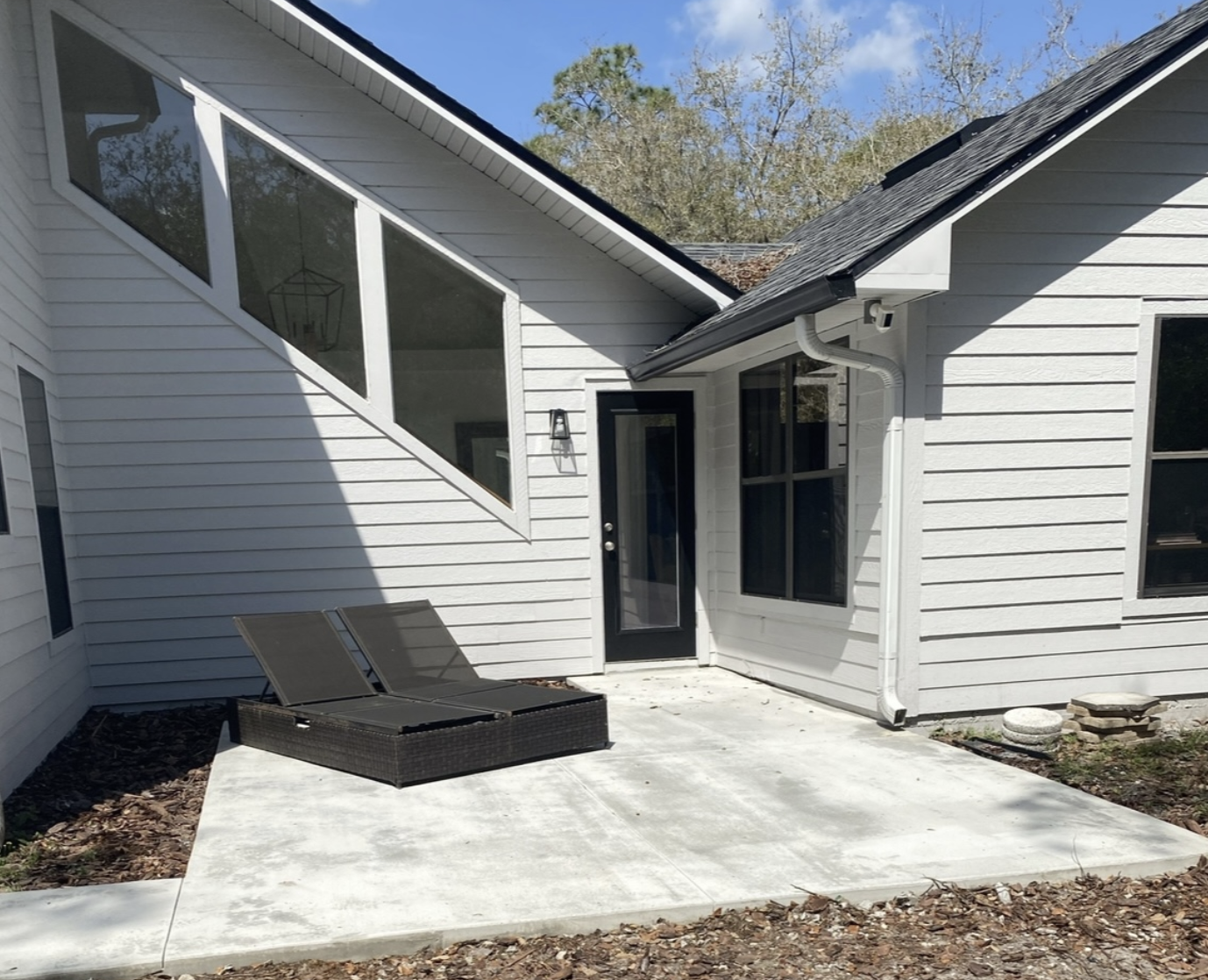
A concrete patio is a ground-level outdoor surface created by pouring and finishing a concrete slab. It serves as a durable foundation for outdoor furniture, dining areas, fire pit patio designs, and other backyard features. 

Modern residential patio construction offers numerous design possibilities, allowing homeowners to customize the appearance while maintaining long-lasting performance. Today’s concrete patio installation options go far beyond traditional gray slabs. 

Decorative concrete techniques such as stamped concrete, stained concrete patio finishes, and textured surfaces can replicate the look of natural stone, brick, or tile. When installed correctly and protected with a sealed concrete surface, patios provide excellent moisture resistance and can withstand years of daily use.

What Is a Wood Deck?

A wood deck is an elevated outdoor structure built using wooden decking materials supported by posts, beams, and framing systems. Unlike a concrete patio, a deck sits above ground level, making it an excellent choice for sloped yards or homes with raised entrances. 

Many homeowners choose pressure-treated lumber deck systems because they balance affordability with durability. Wood decks are often designed as extensions of indoor living areas, creating comfortable spaces for entertaining and relaxation. 

Their elevated deck design can improve backyard views and create distinct outdoor entertainment zones. Because decks can be customized with railings, stairs, built-in seating, and shade structures, they remain a popular choice for custom outdoor spaces and home exterior upgrades.

Concrete Patio vs. Wood Deck — Pros and Cons

Both options can create beautiful outdoor recreation areas, but each comes with advantages and drawbacks. Your decision should be based on maintenance expectations, property conditions, and long-term performance requirements.

Climate is another important consideration. Factors such as heavy rainfall durability, freeze-thaw cycles, moisture exposure, and local building conditions can influence how each surface performs over time. Reviewing the pros and cons can help identify the best fit for your backyard renovation project.

Advantages of a Concrete Patio

  • Long-lasting surface with an impressive concrete patio lifespan.
  • Requires minimal maintenance compared to wood structures.
  • Resistant to termites and many insect-related issues.
  • Available in decorative concrete, stamped concrete, and stained finishes.
  • Works well with landscaping and outdoor seating area designs.
  • Excellent option for low-maintenance backyard patio projects.
  • Provides strong foundation stability for outdoor furniture and features.

Disadvantages of a Concrete Patio

  • Surface cracks may develop due to soil movement or aging.
  • Can become hot during summer months.
  • Modifications after installation can be difficult.
  • Requires proper patio drainage solutions to prevent water issues.
  • Repairs may be visible depending on the finish used.

Advantages of a Wood Deck

  • Natural appearance complements many landscaping styles.
  • Elevated structure works well on sloped properties.
  • Offers design flexibility for custom outdoor spaces.
  • Generally cooler underfoot during warm weather.
  • Can be expanded or modified more easily than concrete.
  • Creates attractive outdoor entertainment and gathering areas.

Disadvantages of a Wood Deck

  • Requires routine staining, sealing, and cleaning.
  • Vulnerable to moisture damage and decay over time.
  • May attract insects if maintenance is neglected.
  • Higher long-term maintenance costs.
  • Structural components require periodic inspections.
  • Often has a shorter lifespan than a properly maintained concrete patio.

Concrete Patio vs. Wood Deck: Full Cost Comparison

When comparing a concrete patio vs. wood deck, it is important to look beyond the initial installation price and consider long-term ownership costs. While a concrete patio often has a lower upfront cost and requires less maintenance over its lifespan, a wood deck may involve higher annual upkeep and more frequent repairs. 

Factors such as material selection, labor rates, maintenance requirements, lifespan, and local building regulations can all influence the total investment. Understanding these costs helps homeowners choose the option that offers the best value for their outdoor living space.

Cost FactorConcrete PatioWood Deck
Initial Installation CostGenerally lower for standard installationsUsually higher due to framing and structural components
Material CostsConcrete slab, reinforcement, finishing materialsPressure-treated wood, hardware, railings, support posts
Labor CostsModerate, depending on design complexityOften higher because of structural construction requirements
Permit RequirementsMay not always be required depending on local regulationsOften requires permits and inspections
Annual Maintenance CostLow; occasional cleaning and resealingModerate to high; staining, sealing, and inspections needed
Repair CostsMinor crack repairs may be needed over timeBoard replacement and structural repairs are more common
Lifespan30–50 years with proper maintenance10–25 years depending on maintenance and climate
Replacement FrequencyRarely requires full replacementMay require partial or complete replacement sooner
Long-Term Ownership CostLower overall due to reduced maintenanceHigher due to ongoing upkeep and repairs
Resale Value ImpactAppeals to buyers seeking low maintenanceAppeals to buyers who prefer elevated outdoor living spaces

Installation Process — What to Expect

The installation process can significantly impact both project costs and completion timelines. Concrete patios and wood decks require different construction methods, materials, and preparation procedures. Factors such as yard conditions, property layout, weather, and local building codes may influence the complexity of the project.

Hiring experienced professionals helps ensure proper construction and long-term performance. Whether you choose a concrete patio or a wood deck, quality workmanship and proper planning are essential for maximizing durability and value.

Concrete Patio Installation: Step-by-Step

A concrete patio installation begins with preparing the site and creating a stable foundation. Proper grading and drainage planning are critical because they help prevent water accumulation and future structural issues. Once the area is prepared, the concrete is poured and finished according to the desired design.

  • Site evaluation and layout planning.
  • Excavation and removal of existing materials.
  • Installation of compacted gravel base.
  • Formwork setup around the patio perimeter.
  • Placement of reinforcement materials if required.
  • Concrete pouring and leveling.
  • Surface finishing or decorative treatments.
  • Curing and drying period.

Wood Deck Installation: Step-by-Step

Wood deck construction involves building an elevated support structure before installing decking boards. Because decks are raised structures, they often require permits and must comply with local building codes. Proper framing is essential for long-term safety and structural integrity.

  • Design planning and permit approval.
  • Site preparation and layout marking.
  • Installation of support footings.
  • Placement of posts and beams.
  • Construction of the framing system.
  • Installation of decking boards.
  • Building stairs and railings if needed.
  • Sanding and surface preparation.
  • Staining or sealing the wood.
  • Final inspection and project completion.

Maintenance Guide — Concrete Patio vs. Wood Deck

Regular maintenance is essential for preserving the appearance, safety, and lifespan of any outdoor living space. While both concrete patios and wood decks require care, concrete is generally considered a low-maintenance option, whereas wood demands more frequent attention to protect against moisture, weather damage, insects, and natural wear.

 Understanding the maintenance requirements of each surface can help homeowners choose the option that best fits their lifestyle and long-term budget.

Concrete Patio Maintenance

  • Sweep away dirt, leaves, and debris regularly.
  • Wash the surface periodically to remove stains and buildup.
  • Reseal the concrete every 2–5 years for added protection.
  • Inspect for small cracks and repair them early.
  • Keep drainage areas clear to prevent standing water.
  • Avoid using harsh chemicals that may damage the surface finish.

Wood Deck Maintenance

  • Clean the deck regularly to prevent dirt and mold buildup.
  • Apply stain or sealant every 1–3 years.
  • Inspect boards for warping, cracking, or rot.
  • Check railings, stairs, and fasteners for safety.
  • Remove moisture-trapping leaves and debris promptly.
  • Watch for signs of termites and other wood-damaging insects.

Which Is Better — a concrete patio or Wood Deck?

Choosing between a concrete patio and a wood deck ultimately depends on your priorities, property conditions, and long-term expectations. If you are looking for a durable outdoor flooring solution with low maintenance requirements and excellent weather resistance, a concrete patio is often the better choice. 

Its long lifespan, affordability, and minimal upkeep make it a practical investment for many homeowners. On the other hand, a wood deck may be the right option if you value a natural appearance, need an elevated outdoor structure, or want greater design flexibility. While decks require more maintenance and ongoing care, they can create beautiful outdoor living spaces that enhance a home’s character and functionality. 

By considering factors such as cost, maintenance, durability, and aesthetics, homeowners can confidently choose the option that best supports their outdoor lifestyle and home improvement goals.

Conclusion

Choosing between a concrete patio and a wood deck comes down to your budget, maintenance preferences, property layout, and long-term goals. A concrete patio offers excellent durability, low maintenance requirements, and strong resistance to weather, insects, and daily wear. It is often the preferred choice for homeowners seeking a practical and cost-effective outdoor living space that can last for decades with minimal upkeep.

A wood deck, on the other hand, provides a warm and natural appearance that can enhance the character of a home and create an inviting outdoor entertainment area. While it typically requires more maintenance and higher long-term costs, its elevated design and customization options make it an attractive solution for many properties. By weighing the costs, maintenance needs, and lifestyle benefits of each option, homeowners can choose the outdoor feature that best fits their needs.

Frequently Asked Questions (FAQs)

Is a Concrete Patio Cheaper Than a Wood Deck?

In most cases, a concrete patio has a lower installation cost than a comparable wood deck. It also tends to have lower long-term maintenance expenses.

Does a Wood Deck Add More Value Than a Concrete Patio?

Both can add value to a home, but the impact often depends on local market preferences, design quality, and overall property appeal. A well-maintained deck or patio can improve outdoor usability and buyer interest.

Which Is Easier to Maintain?

A concrete patio is generally easier to maintain because it requires only occasional cleaning and periodic sealing. Wood decks need regular staining, sealing, and inspections to remain in good condition.

Can a Concrete Patio Look as Good as a Wood Deck?

Yes. Modern decorative concrete options, including stamped and stained finishes, can create a highly attractive appearance that complements many home styles and landscaping designs.

Is Wood or Concrete Cheaper for a Patio?

Concrete is usually the more affordable option for a patio, especially when comparing installation and long-term maintenance costs. Wood may have higher upkeep expenses over time.

What Is Better, a Patio or a Deck?

Neither option is universally better; the right choice depends on your property, budget, and maintenance preferences. Patios are often favored for durability and low upkeep, while decks are valued for their natural look and elevated design.

Professional Concrete Services in Orlando, FL

Accu-Krete provides reliable concrete installation, repair, decorative concrete, patios, driveways, and sidewalk solutions for homeowners and businesses across Orlando and nearby areas.

Our Concrete Services

Areas We Serve