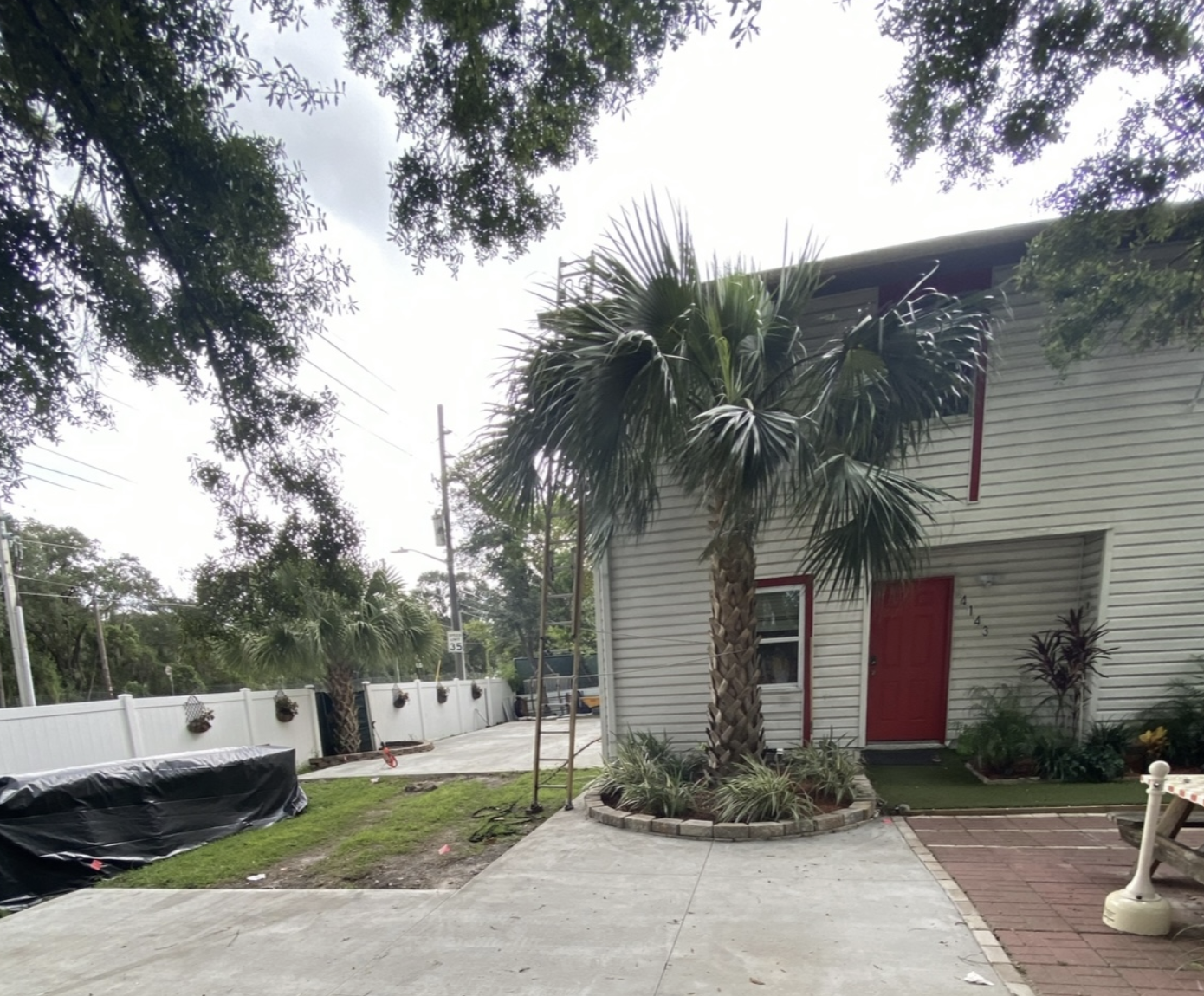
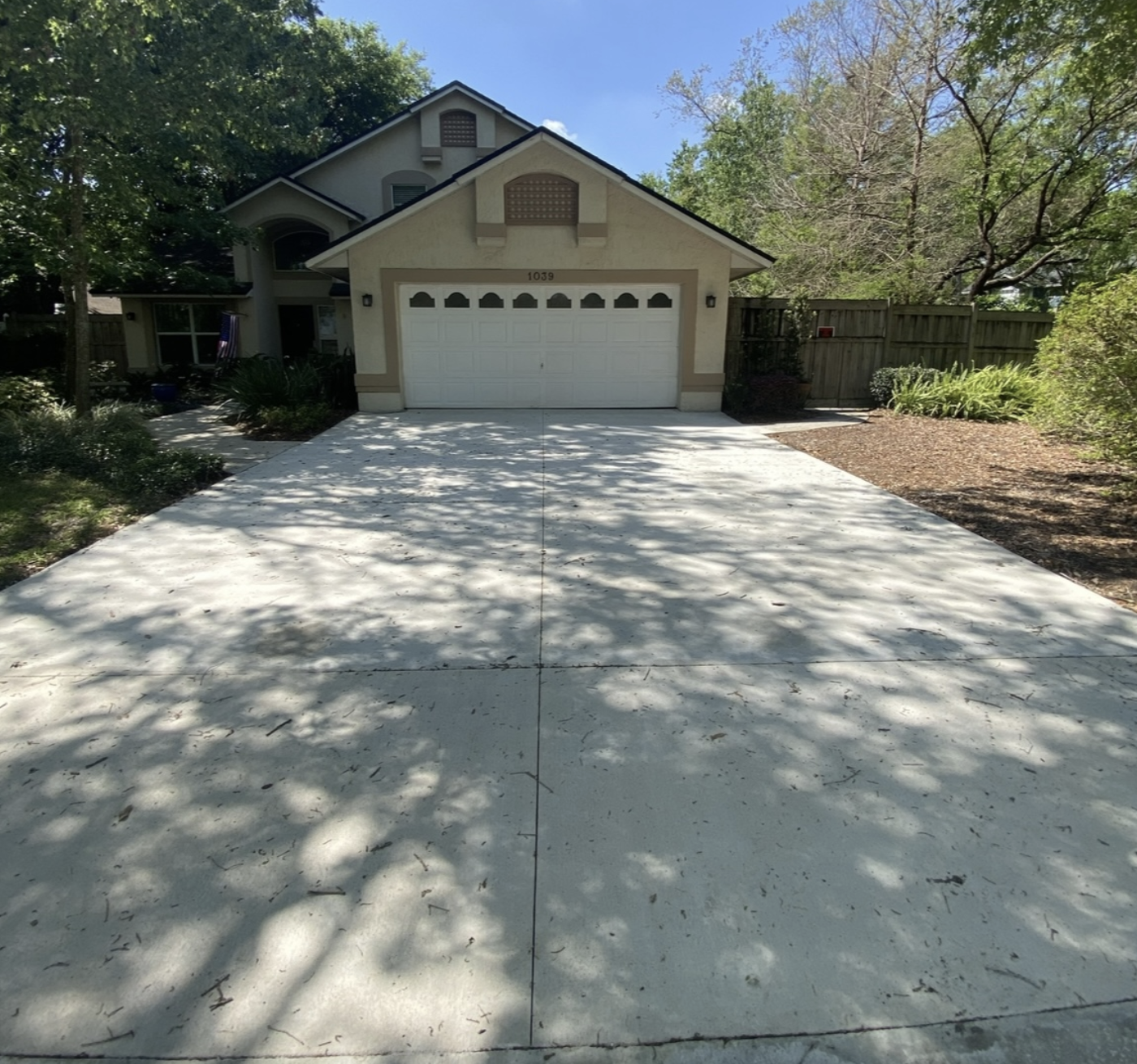
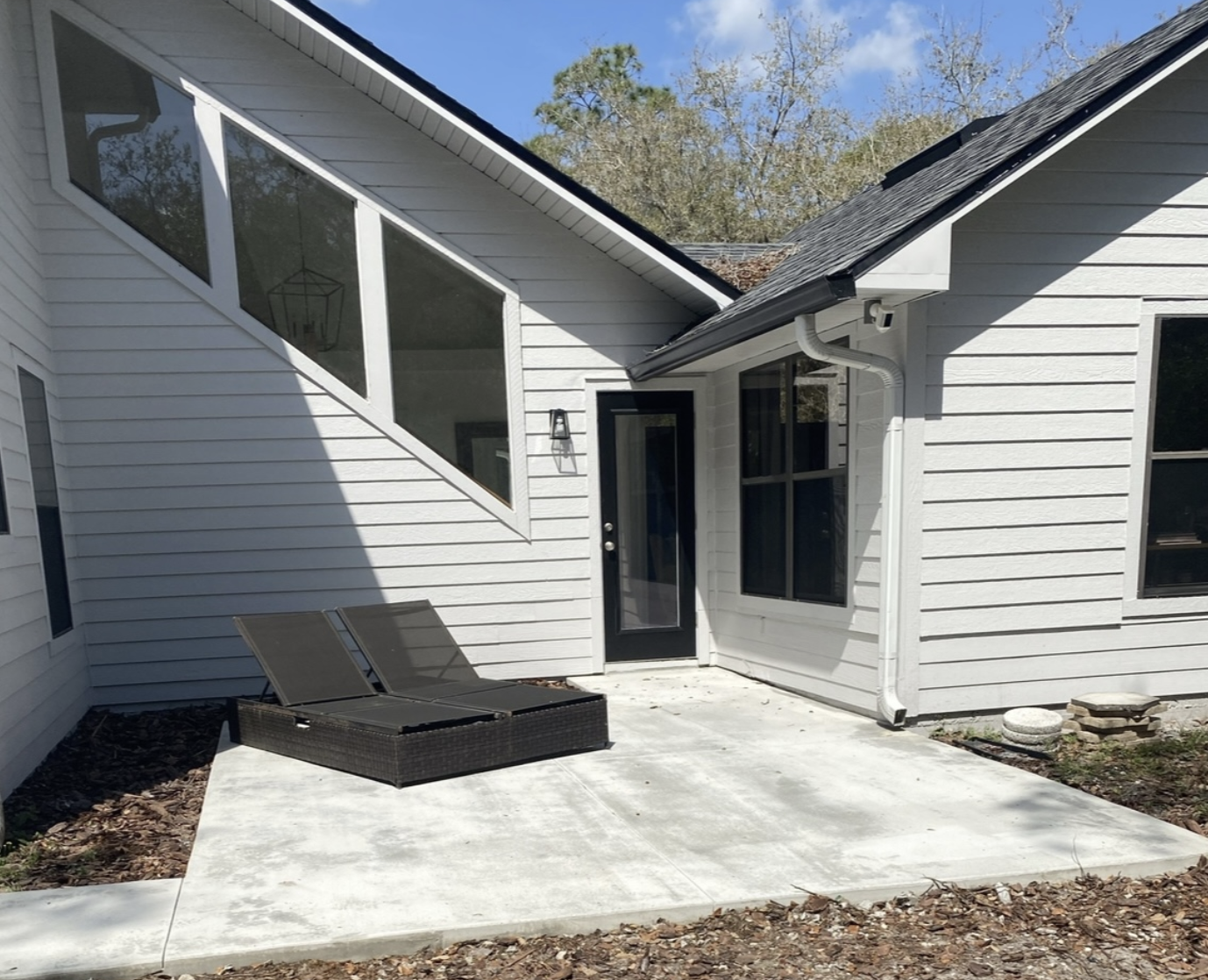
Installing a new concrete driveway is one of the best long-term investments you can make for your property. It improves the look of your home and makes it more functional. But getting a smooth, crack-free surface is not as simple as pouring wet cement on bare ground. A driveway that truly lasts needs careful ground preparation, the right excavation depth, proper water drainage, and strong internal reinforcement to handle heavy vehicles and changing weather over the years.
To build a driveway that holds up for decades without sinking or breaking, hiring professional concrete driveway contractors is the smartest move. Skilled concrete driveway installation contractors use proven, field-tested methods to prepare the ground, pour the mix, and protect the finished surface from environmental damage. This complete guide walks you through the exact step-by-step process professionals use to deliver a good-looking, high-performance concrete slab.
7 Essential Steps to a Concrete Driveway Installation
A successful driveway project needs a step-by-step approach where each phase adds to the strength of the next. Skipping even one step during preparation or pouring will almost certainly lead to early cracking, shifting, and structural failure. Professional installers follow seven clear steps to make sure the surface stays smooth and strong for years.
Step 1: Planning, Layout, and Site Preparation
The lifespan of your driveway is decided long before the concrete truck pulls up. Contractors start by measuring the exact size of the installation area and use heavy stakes and mason lines to mark clean, straight boundaries.
The main goal during site preparation is making sure water drains properly. A working driveway needs a minimum downward slope of 1/4 inch per linear foot, directing water away from your home’s foundation so it does not pool against the walls. At this stage, installers also check for underground utility lines and look for nearby tree roots that could push up through the concrete later on.
Step 2: Excavation and Ground Clearing
Once the layout is set, the physical work begins by clearing out everything inside the marked area. Workers use excavators to remove old asphalt, grass, and organic topsoil, because decomposing organic material creates hidden underground gaps that cause concrete to sink over time.
A standard residential project needs a driveway excavation depth of 7 to 8 inches below the final planned surface level. This depth gives enough room for both a thick gravel base and 4 solid inches of concrete. Cutting corners on excavation results in a thin, weak slab that will crack quickly under the weight of an SUV or delivery truck.
Step 3: Sub-Base Installation and Compaction
Pouring concrete straight onto bare, untreated dirt almost guarantees future structural problems. A strong driveway needs a solid base material, which usually means a 4-inch layer of crushed stone or gravel. This granular layer spreads vehicle weight evenly and allows underground water to drain away freely.
To lock the stone in place, the crew runs a mechanical plate compactor over it several times until it is firmly packed. This tight compaction removes hidden air pockets, lowering the risk of movement during seasonal frost or repeated freeze and thaw cycles.
Step 4: Setting the Forms and Structural Reinforcement
With a stable base ready, workers build a solid framework using wooden or metal forms along the edges. These forms act like a mold that holds the heavy, wet concrete in its exact shape, and they need to be firmly staked to keep them from bowing under pressure.
To give the driveway strong tensile strength, steel rebar or wire mesh is laid across the entire gravel bed. For residential driveways, standard concrete reinforcement rebar spacing follows a grid pattern of 15 to 18 inches on center. The steel grid is raised off the ground using small concrete supports so that it sits right in the middle of the concrete thickness rather than lying flat at the bottom.
Step 5: Pouring and Placing the Concrete
The delivery truck arrives and pours the wet concrete mix directly into the formed area. The installation crew works quickly with rakes and shovels to spread the wet mix evenly before it starts to harden or dry out.
Workers then drag a long, straight board called a screed across the top of the forms in a smooth back-and-forth motion to level the surface. Right after screeding, a large flat tool called a bull float is pushed over the concrete to press the rough rocks down into the slab, bringing the smooth, fine cement paste up to the top.
Step 6: Finishing the Surface and Cutting Joints
While the concrete is firm but still workable, installers apply the final surface textures. A completely smooth concrete surface becomes very slippery when wet, so contractors create a slip-resistant broom finish by dragging a stiff-bristled broom across the surface. For a more premium look, homeowners can choose a decorative stamped concrete finish that resembles natural slate, stone, or brick.
Before the concrete fully cures, installers use a groover tool to cut control joints into the slab. These joints are placed about 8 to 10 feet apart and must be cut to a depth of 1 inch, which equals one-quarter of the slab’s full thickness. These clean lines act as planned weak points, so when the concrete naturally shrinks and cracks over time, the crack forms invisibly at the bottom of the groove instead of across the visible surface.
Step 7: The Curing and Sealing Process
The final phase determines the overall strength and durability of your entire project. Concrete does not simply dry out to become hard; instead, it goes through a chemical hydration process that needs steady moisture to reach its full load-bearing strength. To make sure the slab builds maximum density, installers carefully manage the moisture right after finishing the surface.
- Apply a Curing Compound: Workers spray a specialized chemical curing compound over the fresh concrete to seal in the moisture it needs.
- Allow the 28-Day Cure: The slab must be left to cure fully for nearly a month to reach its target structural strength.
- Apply a Penetrating Sealer: Once fully cured, a high-grade sealer is applied to protect the porous surface from stubborn oil stains and deep water penetration.
- Prevent Winter Damage: This protective barrier actively shields the surface from the damaging effects of de-icing salts during freezing winter weather.
How to Maintain Your New Concrete Driveway Installation
A professionally installed concrete driveway can easily last over 30 years, but it does need some regular upkeep. To protect your investment and keep the slab structurally sound, you need to follow a simple, consistent care routine.
Basic preventative steps will keep the surface looking great while stopping localized damage from getting worse. Experienced concrete driveway contractors always point out that regular, light maintenance is far less expensive than dealing with early slab failure.
Applying a High-Quality Penetrating Sealer
A good penetrating sealer is your driveway’s first line of defense against moisture, automotive chemicals, and harsh UV rays. Concrete driveway installation contractors recommend reapplying this protective coating every 3 to 5 years, depending on your local weather and daily traffic. This invisible barrier fills the microscopic pores in the slab, effectively blocking water from soaking in and causing internal structural damage.
Cleaning Hazardous Automotive Fluid Spills
Even though a properly sealed concrete driveway resists staining, automotive fluids like engine oil, brake fluid, and gasoline will eventually soak into the surface if left sitting there. Scrub oil leaks and fluid spills right away using a stiff-bristled brush along with a biodegradable degreaser or strong dish soap. Letting these fluids sit weakens the top layer of cement and leads to permanent discoloration and surface blemishes that are hard to fix.
Managing Heavy Vehicular Weight Loads
Residential concrete driveways are designed to support standard passenger cars, SUVs, family minivans, and light-duty trucks. You should avoid parking heavy commercial vehicles such as fully loaded dump trucks, large moving vans, or heavy waste management trucks directly on your residential slab. Excessive weight goes beyond the tensile strength of a standard residential pour and can easily cause deep, unfixable structural cracking.
Practicing Safe Winter Maintenance Habits
Removing snow and ice needs to be done carefully to avoid permanently scratching or gouging your concrete finish. Stay away from sharp metal snow shovels or metal-bladed snowblowers, as these tools can easily scratch, chip, or scrape the top layer of your concrete. Use durable plastic or rubber-edged shovels to clear snow safely, and spread clean sand for traction instead of relying on chemical de-icing products.
Common Concrete Driveway Installation Mistakes to Avoid
Many homeowners end up paying for expensive early concrete driveway repairs simply because critical shortcuts were taken during the original construction. Understanding these common mistakes helps you properly evaluate your hired crew and make sure your installation meets solid industry standards. When contractors cut corners on materials or rush through preparation, the structural integrity of the entire slab is permanently weakened.
Avoid these costly installation mistakes to make sure your driveway stays strong and performs well for years:
- Skipping the Aggregated Foundation: Pouring fresh concrete directly over raw, untreated dirt is the quickest way to destroy your driveway investment. Without a solid 4-inch crushed stone or gravel base, the soil underneath swells when wet and shrinks when dry, creating hollow gaps that cause the heavy slab to sink, tilt, and crack under vehicle pressure.
- Omitting Internal Steel Reinforcement: Concrete has very high compressive strength but very low tensile strength, meaning it cannot handle pulling or bending forces without breaking. Skipping steel rebar or using incorrect concrete reinforcement rebar spacing removes the internal backbone of the slab, causing minor settling to turn into wide, offset structural cracks over time.
- Mismanaging the Critical Curing Window: Freshly poured concrete needs continuous moisture to chemically hydrate and build its target load-bearing strength. If that moisture evaporates too quickly due to high winds or direct summer sun, the surface becomes brittle, dusty, and highly prone to spiderweb cracking right away.
- Relying on Chemically Aggressive De-Icers: Using chemical de-icing products during the first winter causes lasting de-icing salts damage to your new slab. These harsh chemicals force rapid, artificial freeze and thaw cycles inside the pores of the stone, causing the finished top layer to flake, pit, and peel off entirely.
Conclusion
A professionally built concrete driveway is a top-tier property upgrade that combines long-term durability with a clean, modern look. Getting a flawless finish that holds up against seasonal shifting requires strict attention to proven engineering standards, from thorough subgrade compaction to accurate steel placement. Property owners who follow proper thickness guidelines and use specialized curing methods successfully protect their pavement from early structural breakdown.
Working with certified concrete driveway contractors ensures your project avoids costly installation errors and meets the demands of your local environment. While the initial ground preparation requires hard physical labor and specialized equipment, the finished slab delivers outstanding structural strength. Staying on top of surface maintenance and applying high-grade penetrating sealers keeps your driveway looking great and performing well for decades.
Frequently Asked Questions (FAQ)
How long does a concrete driveway last? A professionally installed residential concrete driveway typically lasts between 30 to 50 years when properly built and sealed against moisture. Consistent maintenance and quick stain removal actively extend this lifespan.
What is the ideal thickness for a residential concrete driveway? The standard industry recommendation for a dependable residential driveway is a uniform thickness of 4 inches for standard passenger vehicles. Property owners should increase this to 5 or 6 inches if the slab regularly handles heavy-duty trucks or large recreational vehicles.
Can I pour a concrete driveway over an old asphalt one? Pouring fresh concrete directly over deteriorating asphalt is strongly discouraged because the unstable asphalt base will flex and cause the new slab to crack prematurely. Full excavation of the old driveway is necessary to build a reliable crushed stone foundation underneath.
How much does a concrete driveway installation cost per square foot? A standard concrete driveway installation typically costs between $8 to $18 per square foot, depending on regional material costs, grading complexity, and the type of finish chosen. Decorative stamped projects or detailed border designs will push the price toward the higher end of this range.
How much would a 20×20 concrete driveway cost? A standard 400-square-foot (20×20) residential driveway generally costs between $3,200 to $7,200 for a straightforward, plain broom-finish installation. The final total varies based on local excavation demands and structural steel reinforcement requirements.What are common problems with concrete driveways? The most common concrete issues include surface scaling, uncontrolled structural cracking, and deep localized sinking caused by poor sub-base compaction under the slab. Chemical damage from winter ice-melting products also speeds up surface pitting and erosion over time.
Professional Concrete Services in Orlando, FL
Accu-Krete provides reliable concrete installation, repair, decorative concrete, patios, driveways, and sidewalk solutions for homeowners and businesses across Orlando and nearby areas.