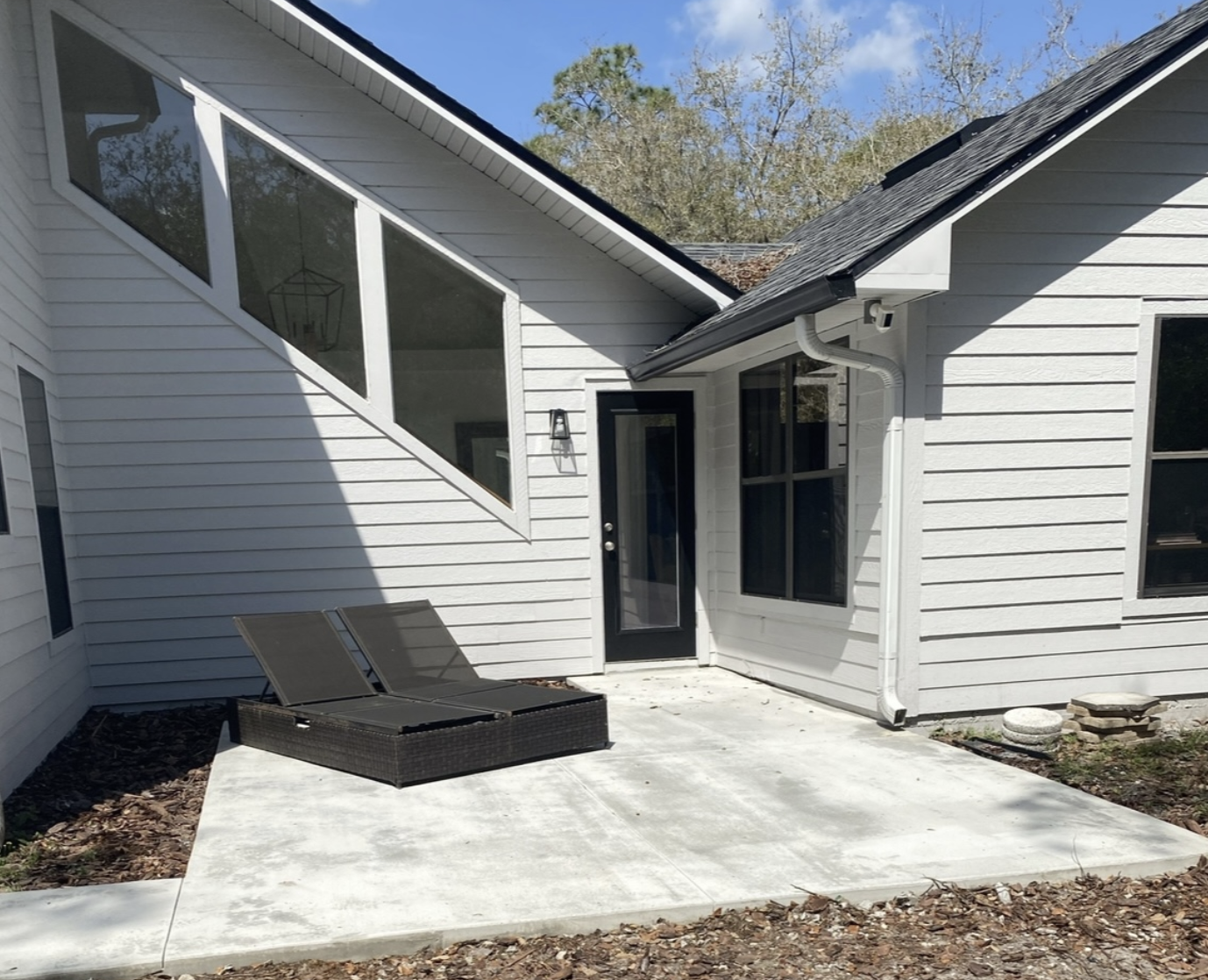
Concrete Driveway Repair vs Full Replacement: How to Decide in Orlando

Concrete Driveway Repair vs Full Replacement: How to Decide in Orlando

Table of Contents

Investing in your property means knowing when to patch a problem and when to completely remove a failing asset. When a driveway cracks, flakes, or sinks, you face an immediate financial and structural decision: pay for temporary surface preservation or invest in a total overhaul. Making the wrong choice blindly leads to immediate waste — either by spending money on a crumbling foundation that cannot be saved, or by tearing out a perfectly fixable slab that simply needed targeted maintenance.

The line between a quick fix and a full reconstruction depends entirely on subbase integrity and how deep the structural failure goes. To protect your property value and avoid repeated contractor fees, you need to accurately assess whether the damage is limited to the surface or deeply rooted in the soil below. This guide breaks down the technical thresholds, material costs, and repair methods required to make a well-informed, high-return decision for your home.

Understanding Concrete Driveway Repair: What It Really Means

Choosing concrete driveway repair means the underlying foundation is still stable and the problems are strictly confined to the surface layers. A reputable concrete repair company uses targeted methods to bring back structural functionality without going through the massive process of a full demolition. The goal here is preservation — extending the lifespan of the existing surface while keeping costs under control.

Types of Concrete Damage Can Be Repaired

Not all damage means the end of your driveway. Surface-level problems can be effectively dealt with if caught early enough, before water intrusion destroys the entire subbase beneath.

  • Hairline and Minor Fractures: Simple crack repair works well for fractures under a quarter-inch wide, sealing off moisture before it seeps below the surface.
  • Isolated Pitting or Spalling: When the top layer flakes off due to freeze-thaw cycles, patching the surface scaling brings back a uniform appearance.
  • Minor Potholes: Individual, shallow pits can be resolved by patching without having to tear up the entire slab.
  • Slight Settlement: If a single section has dropped a little due to minor soil instability, specialized lifting techniques can level the area as long as the concrete itself is still intact.

Repair Methods Contractors Use and When Each Applies

Professional residential concrete contractors use precise engineering techniques based on the exact type of damage present.

  • Crack Chasing and Sealing: For structural preservation, technicians route out small fractures to create clean edges, then inject high-grade elastomeric sealants that maintain flexibility over time.
  • Concrete Resurfacing: When cosmetic wear is widespread but the slab is structurally sound, contractors apply a polymer-modified overlay across the entire driveway. This thin layer bonds directly to the cleaned surface and gives the appearance of freshly poured concrete.
  • Slabjacking or Polyjacking: To address concrete sinking, mudjacking slurry or high-density polyurethane foam is injected through small holes drilled into the slab. The expanding material fills the voids left by erosion, pushing the heavy sections back up to their original level.
  • Decorative Stamping: For homeowners who want to upgrade the look during a surface restoration, applying stamped concrete patterns like cobblestone can cover minor surface repairs while delivering a custom driveway design. This approach easily transforms a weathered driveway into a high-end hardscape that matches surrounding concrete patios and features.

When to Consider Full Concrete Driveway Replacement

Patching a fundamentally broken structure is simply throwing good money away. A full concrete driveway replacement becomes necessary the moment the failure moves beyond the surface and reaches deep into the concrete slabs and foundation. 

While surface treatments can hide cosmetic flaws, they cannot stabilize a shifting base or restore structural strength to a shattered slab. Ignoring deep, systemic damage only delays the inevitable demolition while draining your budget on short-term fixes that are bound to fail.

Deep Structural and Foundational Issues

Severe failure in a driveway almost always points to significant foundational and subsurface structural problems that an overlay simply cannot fix. When a slab sits on shifting, unstable soil or was poorly compacted during installation, it loses the even support it needs to carry vehicle weight. 

As heavy loads pass over these hidden hollow sections, the rigid concrete bends beyond its structural limits and snaps completely through. This level of deep structural failure requires a complete excavation and subgrade re-engineering to build a truly sound driveway from scratch.

Widespread Damage and Large Cracks

When a driveway shows widespread damage, including multiple potholes and deep, intersecting cracks, partial repairs lose all financial sense. These large fractures run entirely through the vertical depth of the concrete, allowing water to pour freely into the subgrade and speed up underlying erosion. 

Patching a surface covered in deep fractures is completely pointless, as the separate sections will continue to move independently and break apart any new material applied over them.

Concrete Driveway Repair vs Full Replacement Cost

The financial comparison between preservation and replacement comes down to immediate cash flow versus long-term value. Minor repairs are significantly lighter on the wallet upfront, making them very attractive for localized issues. However, if the slab keeps needing work every year, the combined costs will quickly add up to more than the price of a single, proper installation.

AspectConcrete Driveway RepairFull Concrete Driveway Replacement
Upfront Financial OutlayLow to Moderate (charged per square foot or linear foot for cracks)High (includes demolition, hauling, grading, and material)
Material LogisticsPolymer overlays, epoxies, or small load concrete deliveryVolume ready mix concrete or intensive on-site concrete delivery
Labor & Time InvestmentFast execution; usually driveable within 24 to 48 hoursMulti-day process; requires a strict curing period (up to 7 days for vehicles)
Longevity Expectancy5 to 10 years (highly dependent on climate and soil stability)30 to 50 years (when installed by verified professionals)
Value AdditionRestores basic function and cleans up immediate eyesoresDrastically boosts curb appeal, property value, and structural safety

Key Considerations for Choosing Between Repair and Replacement

Deciding whether to salvage your current driveway or invest in a brand-new installation involves balancing several critical technical and financial factors. Homeowners often focus on the immediate price tag, but long-term durability, local climate conditions, and the overall age of the existing concrete must guide the final decision. 

Moving forward without carefully assessing these underlying factors leads to repeated, expensive maintenance on an asset that may simply be past its structural prime.

Evaluation of Material Age and Longevity

The total age of your concrete determines how well it will respond to standard maintenance over time. Concrete naturally loses its structural flexibility and strength over decades of bearing heavy vehicle loads and enduring weather extremes. 

Trying to patch a surface that has reached the end of its natural lifespan is highly inefficient, as new patches will not bond properly with a degrading, brittle base. A slab nearing the thirty-year mark needs a total replacement to ensure both safety and performance.

Assessment of Climate and Environmental Stressors

Local weather patterns play a major role in deciding between a quick fix and a complete tear-out. In regions with harsh seasonal changes, moisture enters open cracks and expands as it freezes, forcing the concrete apart from the inside out. 

If your driveway is already structurally weakened, these freeze-thaw cycles will quickly destroy surface-level repairs within a single season. Choosing a full replacement with integrated sealing provides the strong defense needed to hold up against intense environmental stress.

Pros and Cons: Concrete Repair vs Full Replacement at a Glance

Every property situation requires a trade-off between immediate disruption, upfront costs, and long-term performance. Understanding the clear advantages and drawbacks of each approach prevents homeowners from overpaying for temporary fixes or spending unnecessarily on demolition work that is not yet needed.

Pros of Concrete Driveway Repair

  • Highly Economical Upfront: You only pay for localized labor and specialized patching compounds rather than large volumes of raw materials.
  • Rapid Turnaround Time: Most repairs are completed in a single day, meaning your daily routine faces very little disruption.
  • Erases Immediate Surface Eyesores: Quickly cleans up minor blemishes, surface scaling, and small fractures to improve the basic visual appeal of your property.
  • Preserves Structurally Stable Slabs: Extends the useful lifespan of your driveway when the underlying foundation is verified to be completely solid.

Cons of Concrete Driveway Repair

  • Short-Term Durability: Surface patches are temporary fixes that typically last only three to ten years depending on climate and conditions.
  • Cannot Fix Root Structural Failures: Does absolutely nothing to address deep foundational problems or underground soil erosion beneath the slab.
  • Aesthetic Mismatches: Matching the exact color and texture of old, weathered concrete with fresh repair material is virtually impossible.

Pros of Concrete Driveway Replacement

  • Guarantees a Structurally Sound Driveway: Removes all hidden subsurface safety hazards and resets the structural lifecycle for 30 to 50 years.
  • Allows for Custom Driveway Design: Gives you complete freedom to upgrade your exterior with premium stamped concrete patterns or high-end cobblestone finishes.
  • Drastically Raises Property Valuation: Modernizes your home’s exterior appearance, which significantly boosts curb appeal and overall market value.
  • Optimized Material Placement: Ensures the new installation uses modern, high-durability ready mix concrete with proper reinforcement throughout.

Cons of Concrete Driveway Replacement

  • Substantial Initial Capital Investment: Requires a high upfront cost that covers demolition, heavy machinery, subgrade preparation, and raw material delivery.
  • Significant Property Disruption: The excavation and framing process turns your front yard into an active construction zone for several days.
  • Strict Curing Dependencies: Homeowners must carefully follow the driveway curing process, keeping all vehicles off the new surface for up to seven full days to avoid structural damage.

Quick Decision Framework: Should You Repair or Replace?

To simplify your decision, use this straightforward technical checklist to evaluate the current condition of your driveway:

  • Choose Concrete Repair If: The total damaged area covers less than 20% of the entire driveway surface, the cracks are less than a quarter-inch wide, there is no structural shifting or tilting between the slabs, and your main goal is affordable maintenance or localized crack repair.
  • Choose Full Replacement If: The concrete is over 25 years old, deep fractures run completely through the full vertical thickness of the slab, you are dealing with widespread damage like multiple potholes, or major sinking proves that the underlying foundation has completely washed away.

Conclusion

Deciding between a surface restoration and a complete structural overhaul comes down to a careful inspection of the underlying foundation. When structural wear is limited to localized surface cracks, pitting, or cosmetic scaling, professional repair methods offer a cost-effective way to preserve the slab. However, when subsurface soil erosion leads to significant sinking and wide, deep fractures, temporary surface patches are an inefficient use of resources on a foundation that can no longer support the slab above it.

Investing in a total driveway replacement resolves deep systemic failures and protects the long-term value of your property. Removing deteriorated slabs allows experienced contractors to stabilize the subgrade, install modern structural reinforcements, and build attractive custom hardscapes that instantly elevate curb appeal. Addressing foundation stability upfront ensures a strong return on investment and provides a durable, reliable surface for decades ahead.

FAQ

Is it better to repair or replace concrete driveways? Repairing is the right choice if the damage is purely cosmetic and covers less than twenty percent of a structurally sound foundation. Total replacement becomes necessary when deep fractures run entirely through the vertical thickness of the slab or when heavy sinking has occurred.

Is it cheaper to replace or repair concrete? Repairing is significantly cheaper upfront since it only addresses localized surface damage using minimal patching materials. Total replacement carries a higher initial cost but delivers far superior long-term financial value for aging, structurally failing concrete.

Will homeowners insurance pay for driveway repair? Standard insurance policies typically do not cover natural settling, general wear and tear, or climate-related freeze damage. Repair costs may only be covered if the sudden destruction results directly from a policy-covered event, such as a falling tree or a house fire.

What is the average lifespan of a concrete driveway? A professionally installed concrete driveway has an average operating lifespan of thirty to fifty years under typical residential traffic conditions. Achieving maximum longevity depends heavily on proper subgrade compaction, regular application of protective sealants, and prompt attention to minor fractures.

What is the best time of year to resurface a concrete driveway? Late spring and early autumn provide the ideal weather windows for applying overlays due to moderate, consistent daily temperatures. Avoiding intense summer heat and sudden freezing temperatures prevents the fresh material from drying out too quickly or cracking during the critical bonding phase.

What are the negatives about sealing a driveway? Improperly applied sealants can trap interior moisture beneath the surface, leading to white discoloration or localized scaling during winter freeze-thaw cycles. Certain high-gloss finishes can also reduce surface traction, turning the concrete into a serious slipping hazard when it gets wet.

Professional Concrete Services in Orlando, FL

Accu-Krete provides reliable concrete installation, repair, decorative concrete, patios, driveways, and sidewalk solutions for homeowners and businesses across Orlando and nearby areas.

Our Concrete Services

Areas We Serve