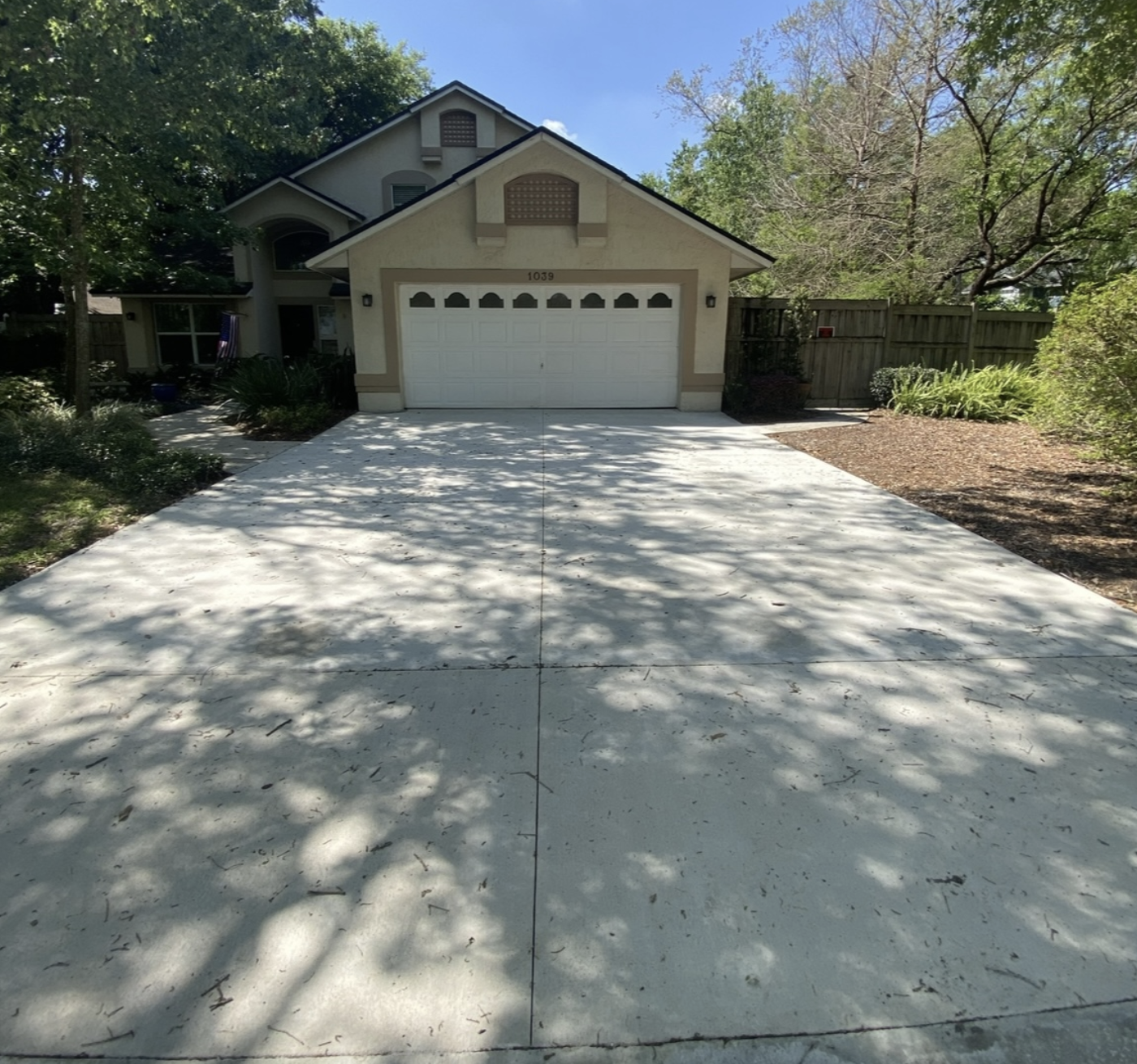
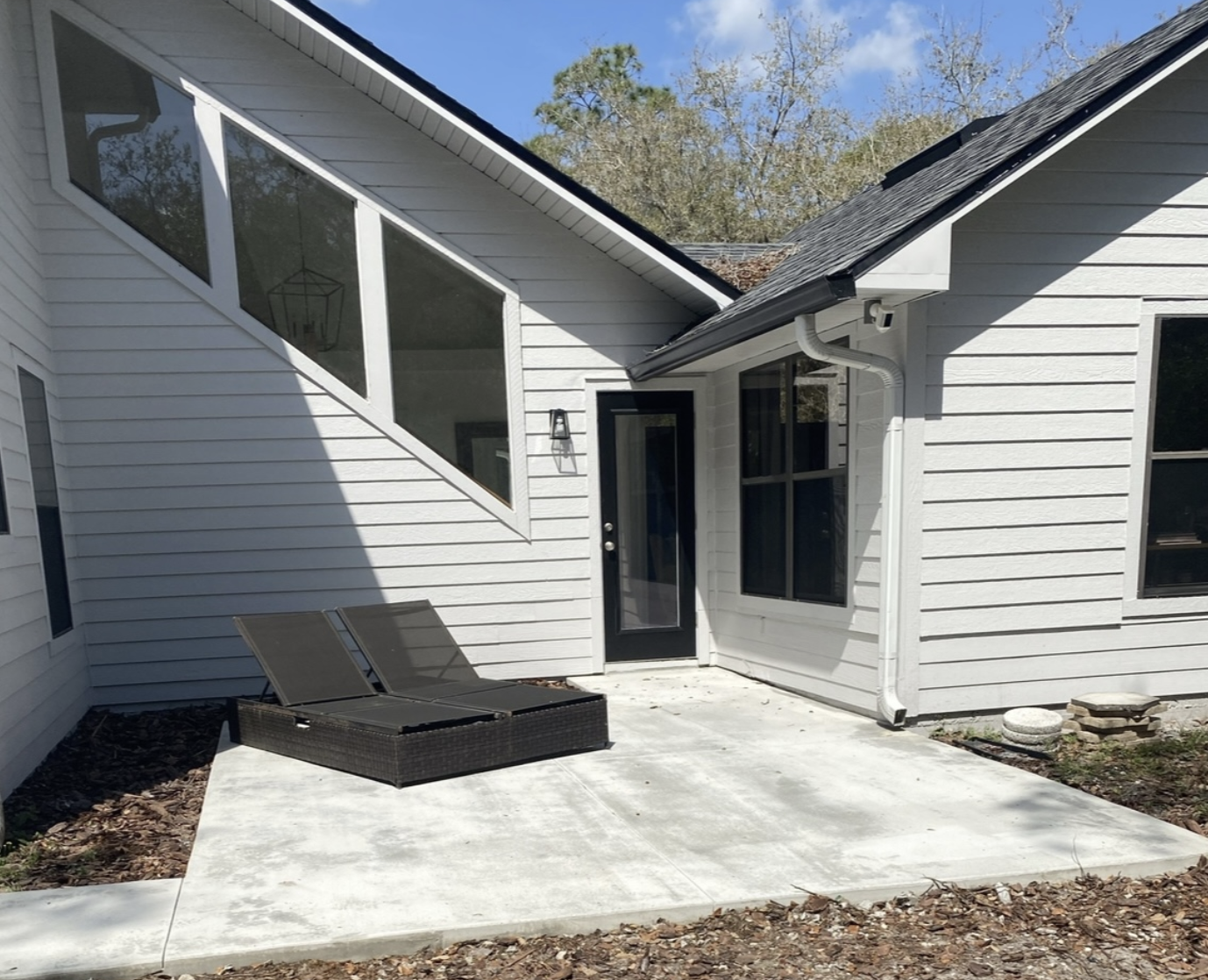
A worn, cracked, or stained concrete driveway can instantly hurt your property’s curb appeal and lower its overall value. Many homeowners assume that a damaged surface means a complete and costly tear-out, but concrete driveway resurfacing offers a much more practical alternative. This process applies a polymer-modified overlay directly on top of the existing concrete slab, quickly covering up surface flaws and creating a brand-new, strong wear layer.
Choosing this restoration method saves a lot of time and money compared to a full replacement, making it a very attractive driveway repair option. However, it only works well if the concrete slab underneath is still structurally solid. Understanding the specific conditions that make your driveway a good candidate for a concrete driveway overlay will help you make a smart decision and protect your property for years ahead.
Concrete Resurfacing Products for Driveways
Getting a smooth and long-lasting finish requires specialized products that are designed to bond firmly with old concrete. The process depends on high-quality materials and careful preparation to turn a tired, rough surface into a clean and premium-looking one.
The Overlay and Bonding Agents
The main material used in this process is a polymer-modified overlay, which is a mixture of high-strength cement, silica sand, and liquid polymer resins. This combination gives the material great flexibility and strong adhesion, allowing it to grip the old concrete slab without shrinking or cracking over time.
To make sure this bond holds permanently, professionals apply a special bonding primer to the cleaned surface before spreading the overlay, which creates a strong chemical connection between the old and new layers.
Finishing and Texturing Options
Once the overlay is applied, it can be shaped and styled to match your personal preferences and the practical needs of your driveway. Professional installers use different techniques while the material is still wet to change how it looks and how much grip it provides. This flexibility allows you to customize the final result to suit the style of your home.
- Traditional Broom Finish: Creates a clean, classic, slip-resistant texture that works perfectly for standard residential driveways.
- Stamped Patterns: Replicates the look of high-end materials like natural stone, brick, slate, or interlocking pavers.
- Custom Stains and Dyes: Adds deep, rich color tones to create a visually attractive decorative concrete driveway.
Cleaners, Sealers, and Curing
How long the finished surface lasts depends entirely on thorough preparation, proper joint management, and protective coatings. Before any material is applied, the slab goes through mechanical grinding or a high-pressure power wash to remove deep oil stains, dirt, and any loose material.
After the finishing work is done, the surface needs to be protected from traffic and weather during its initial hardening phase so it can reach its full strength.
- Joint Clearing: Control joints and expansion joints are cut or cleared to allow for natural heat expansion without causing cracks.
- Premium Concrete Sealer: A high-gloss or matte protective sealer is applied to keep out water, oil stains, and UV rays.
- Cure Time: The overlay needs a specific drying period before it is fully ready to handle vehicle traffic.
Common Driveway Problems Resurfacing Can Fix
Concrete resurfacing gives homeowners a powerful and cost-effective way to remove ugly surface problems and bring back a clean, fresh look to their driveway. Instead of paying for a full tear-out, a professional polymer-modified overlay takes care of common surface issues quickly and efficiently.
Working with a professional ensures the surface is prepared correctly, the materials are handled properly, and the final finish is durable enough to handle tough weather conditions for years to come.
- Cosmetic Aging and Worn Texture: Removes years of weathering and transforms a rough, exposed surface back into a smooth and even finish.
- Ugly Discoloration and Deep Stains: Permanently covers deep oil spots, rust stains, tire marks, and chemical spills that regular power washing simply cannot remove.
- Flaking and Surface Spalling: Fills in damaged areas where the top layer of concrete has peeled away, creating a level and even surface across the entire driveway.
- Minor Cracking and Hairline Fissures: Seals up shallow cracks and small gaps, stopping water from getting in and expanding during cold temperatures.
- Light Pitting and Micro-Divots: Fills tiny holes and small voids across the surface, stopping dirt and vehicle fluids from collecting and speeding up further damage.
The Driveway Resurfacing Process
Turning a damaged and weathered driveway into a clean and attractive entrance requires a careful, step-by-step approach. Skipping even one stage of preparation or application can cause the new overlay to peel or crack before its time. Professional technicians follow strict guidelines to make sure the new surface bonds permanently and securely to the existing concrete slab.
Inspection and Suitability Check
Before any physical work begins, specialists carry out a thorough check of the existing concrete slab to make sure it is stable enough to receive an overlay. They look for signs of structural failure, deep foundation movement, or large hollow areas beneath the surface.
If the foundation is solid and free of serious settling, the driveway is confirmed as a suitable candidate for a concrete driveway overlay. This important step ensures that your money goes toward a lasting result rather than just a temporary cover-up.
Surface Preparation
The existing concrete must be completely cleared of all contaminants before the new material can bond to it properly. Workers use high-pressure power washing or industrial grinding equipment to strip away deep oil stains, tire marks, dirt, and any loose surface material.
This thorough cleaning creates a rough and porous surface that acts like tiny teeth for the new overlay to grip onto tightly. Professional crews consider proper surface preparation the most important step in the entire process because it is what prevents future peeling.
Crack Repair and Joint Evaluation
Every existing crack, pit, and small hole must be treated and filled before the main overlay is applied. Technicians use high-quality polymer-modified repair compounds to seal these weak spots so they do not push through into the new finish later on.
Existing control joints and expansion joints are also carefully cleared and noted so they can be properly accounted for during the rest of the process. Taking time to address each of these individual flaws ensures the new coating looks completely smooth and uniform.
Overlay Installation
Once the primer is ready, the polymer-modified overlay is mixed to a smooth, even consistency and poured onto the driveway surface. Professionals use squeegees, gauges, and hand trowels to spread the material evenly at a precise thickness, which typically falls between one-eighth and one-quarter of an inch.
Speed and accuracy are very important during this stage to keep a wet edge and avoid early drying marks. The installers work carefully across the whole surface to remove air pockets and achieve a completely flat and seamless base layer.
Texture or Decorative Finish
Before the freshly applied overlay fully sets, technicians add the chosen texture to give the surface its final look and feel. This step requires perfect timing — the material needs to be soft enough to hold an impression but firm enough that it will not sag or shift out of place.
Choosing the right decorative style lets you completely personalize your driveway entrance while also adding important surface traction.
- Traditional Broom Finish: A specialized broom is pulled gently across the damp surface to create a clean, classic, slip-resistant texture that suits standard residential driveways perfectly.
- Stamped Concrete Patterns: Heavy-duty rubber mats are pressed firmly into the setting overlay to copy the look of high-end materials like slate, brick, cobblestone, or flagstone.
- Custom Staining and Dyeing: Installers apply UV-resistant stains or dyes to add rich, varied color tones directly into the decorative concrete driveway surface.
- Saw-Cut Geometric Line Work: Diamond-blade saws are used to cut precise patterns into the hardened overlay, creating modern borders, diamond shapes, or custom tile-like layouts.
Concrete Sealer
After the textured overlay dries completely, a premium concrete sealer is applied across the entire driveway to protect it from environmental damage. This protective coating — whether a matte or high-gloss finish — locks out moisture, vehicle fluids, rust stains, and harsh UV rays.
It acts as a strong shield that slows down cosmetic aging and keeps the color looking consistent for well over a decade. Professional concrete sealing ensures this final protective layer goes on evenly with no weak spots left uncovered.
How Much Does Driveway Resurfacing Cost?
The total cost of a concrete driveway resurfacing project depends on the size of the area, how much damage needs to be addressed, and how complex the chosen finish is. On average, standard professional resurfacing costs between $3 and $7 per square foot for a basic single-color broom finish. If you choose a more detailed decorative design such as a multi-colored stamped pattern or a hand-carved stone look, the price can go up to $8 to $15 per square foot.
While the upfront cost of quality materials and skilled labor is a real investment, it is still far more affordable than traditional reconstruction. Compared to the enormous expense of bringing in heavy equipment to demolish, haul away, and repour an entire driveway, resurfacing consistently saves homeowners between 50 and 70 percent on the total project cost.
Resurfacing vs Replacement: Which Is Better?
Deciding between resurfacing and replacement is a big decision that comes down entirely to the structural condition of your current concrete foundation. If your driveway is structurally solid but looks bad because of weathering, scaling, or staining, resurfacing is clearly the better choice because it avoids unnecessary demolition costs.
The table below breaks down the key differences to help you choose the best path for your property:
| Decision Factor | Concrete Driveway Resurfacing | Full Driveway Replacement |
| Structural Integrity Required | The existing concrete slab must be stable, solid, and free from shifting. | Necessary when the base has completely failed, sunk, or washed away. |
| Primary Type of Damage Addressed | Superficial scaling, hairline cracks, surface pitting, and deep stains. | Deep structural cracks, foundation shifting, frost heaves, and crumbling bases. |
| Upfront Cost Profile | Very affordable; saves up to 70% compared to full demolition. | Expensive and involves excavation, heavy equipment, and material disposal. |
| Project Completion Timeline | Quick to complete; usually finished and sealed within 1 to 2 days. | Multi-day process involving excavation, forming, pouring, and extended drying. |
| Cure Time to Drive Cars On | Fast return to use; vehicles can safely drive on it within 48 to 72 hours. | Long waiting period; requires 7 to 28 days for the concrete to fully cure. |
| Long-Term Lifespan | Adds another 10 to 15 or more years to the life of the existing slab. | Provides a completely new structural foundation lasting 25 to 30 or more years. |
| Property Landscape Disruption | Very minimal; no heavy excavators or dump trucks damaging your lawn. | High impact; heavy construction equipment can tear up nearby grass and gardens. |
Decorative Options for Resurfaced Driveways
One of the biggest advantages of using a polymer-modified overlay is the wide range of design options it opens up for your property entrance. You are not stuck with plain gray concrete — resurfacing lets you completely customize the color, texture, and pattern of your driveway to boost its curb appeal significantly.
- Stamped Concrete Textures: Heavy-duty mats are pressed into the fresh overlay to accurately copy the look of luxury materials like Italian slate, cobblestone, fieldstone, or running-bond brick.
- Custom Staining and Dyeing: Installers use UV-resistant acid stains or water-based dyes to add deep, varied color tones like warm terracotta, rich coffee brown, or soft slate gray directly into the surface.
- Saw-Cut Geometric Patterns: After the overlay hardens, diamond-blade saws score clean, precise lines into the surface to create beautiful diamond shapes, modern borders, or custom tile-style grids.
- Exposed Aggregate Finishes: Special blending techniques allow workers to mix in attractive colored pebbles or granite chips into the top layer, creating a very durable, slip-resistant, and high-texture surface appearance.
Conclusion
Concrete driveway resurfacing is a highly practical approach to maintaining your property, turning worn and weathered surfaces into fresh-looking driveways without the huge financial and logistical burden of full demolition. By using an advanced polymer-modified overlay, homeowners can erase years of surface damage including hairline cracks, spalling, and stubborn oil stains. This process effectively resets the appearance of your driveway and creates a durable, slip-resistant wear layer that continues to protect the underlying slab from ongoing environmental damage.
That said, the long-term success of this approach depends on a careful evaluation of the foundation underneath. Resurfacing delivers excellent value when applied to structurally sound bases, but it cannot fix deep foundational shifting or widespread structural failure. Working with professional installers ensures the surface is properly prepared and sealed, giving your property an immediate improvement in curb appeal and value that holds up for many years.
Frequently Asked Questions
Can I resurface a cracked driveway? Yes, you can resurface a cracked driveway as long as the cracks are minor hairline fractures or shallow settling lines. Professionals clean and fill these gaps with high-strength polymer compounds before applying the overlay to stop them from coming back.
Will resurfacing fix uneven concrete? No, resurfacing is a thin cosmetic coating that is meant to fix surface texture and minor pitting rather than structural level differences. Uneven concrete caused by shifting soil or deep foundation failure requires professional slab lifting or a complete structural replacement.
Is resurfacing cheaper than replacement? Yes, resurfacing is a very cost-effective option that saves homeowners between 50 and 70 percent compared to full reconstruction. It avoids the heavy costs of renting demolition equipment, hauling away debris, and pouring a brand-new thick structural slab.
Does resurfacing increase home value? Yes, a freshly resurfaced driveway immediately improves your property entrance, boosting curb appeal and the perceived value of your home. A clean and attractive driveway makes a strong first impression on potential buyers and can help speed up a future sale.
When should you resurface concrete? You should resurface concrete when the surface shows widespread scaling, flaking, minor spalling, or deep permanent discoloration but is still structurally stable underneath. It is the ideal solution when you want to refresh a rough or cosmetically aged surface without paying for a full demolition.When to resurface a driveway? The best time to resurface a driveway is during dry, mild weather when temperatures are consistently between 50 and 90 degrees Fahrenheit. This temperature range ensures that the bonding primer and polymer overlay dry evenly without cracking from extreme heat or freezing cold.
Professional Concrete Services in Orlando, FL
Accu-Krete provides reliable concrete installation, repair, decorative concrete, patios, driveways, and sidewalk solutions for homeowners and businesses across Orlando and nearby areas.