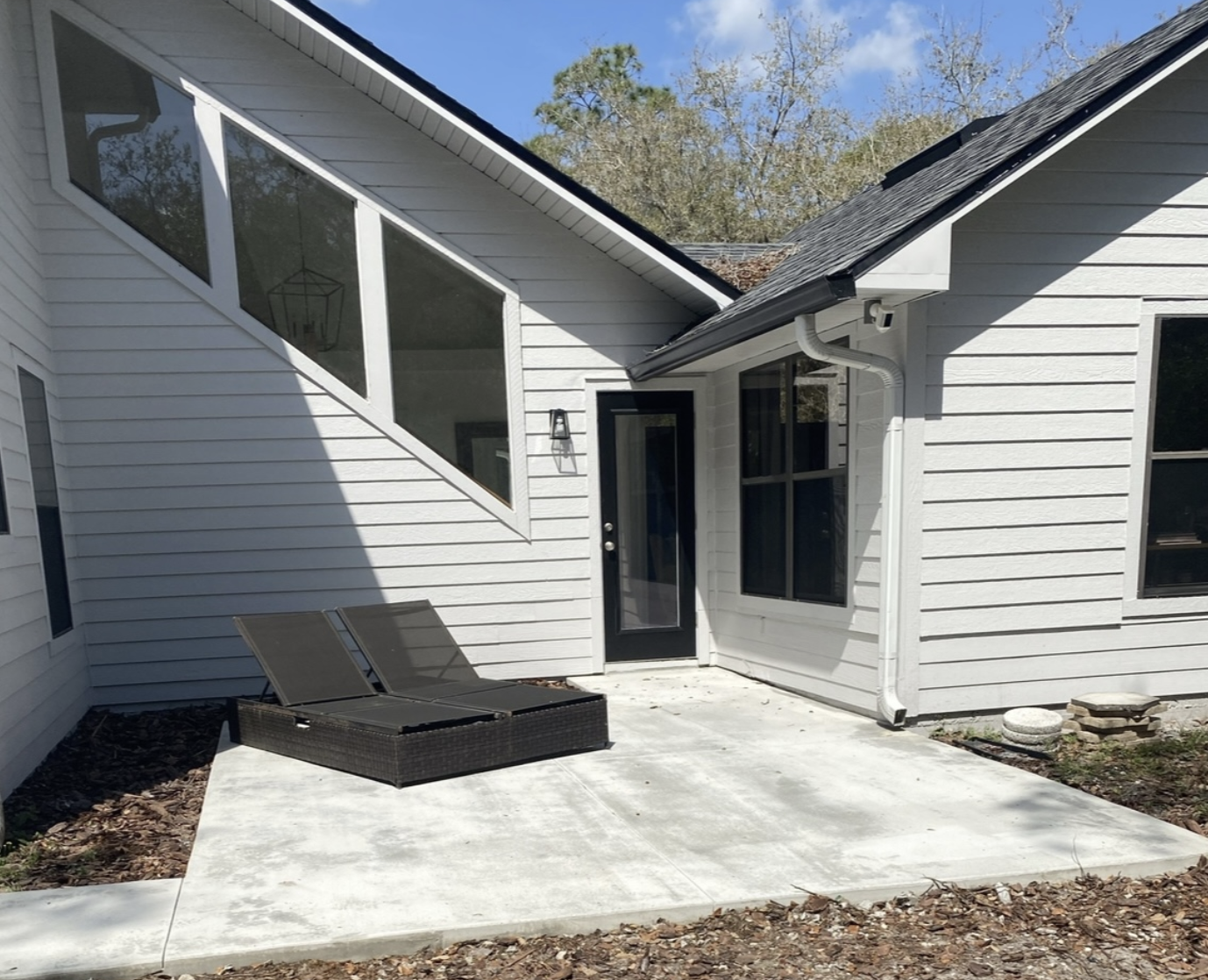
A concrete sidewalk naturally wears down over time due to weather changes, soil movement, and daily foot traffic. As a result, problems like cracks, surface damage, and uneven slabs can develop, making property owners consider whether sidewalk repair or replacement is the better option. Understanding the condition early helps prevent safety risks and unnecessary costs.

The decision between sidewalk repair or replacement depends on how severe the damage is and whether the base is still stable. Small cracks and surface issues can usually be fixed with repairs, while deep structural damage or widespread deterioration often requires full replacement. Checking drainage, soil stability, and overall integrity ensures a safer and longer-lasting solution.
Signs Your Concrete Sidewalk Needs Repair
Many sidewalk problems begin as small surface defects that do not affect the overall structure. These early-stage issues are usually repairable and should be addressed quickly to prevent them from spreading. With proper maintenance, the sidewalk can remain safe and functional for many more years.
Surface cracks, minor flaking, and small cosmetic damage are the most common repair-level issues. These problems are often caused by temperature changes, light wear, or moisture exposure. When treated early using cracked concrete sidewalk solutions, they rarely turn into major structural concerns.
Ignoring these early signs, however, can allow water to enter and gradually weaken the slab.
- Hairline cracks (under ¼ inch wide): These are thin surface cracks caused by shrinkage or seasonal temperature changes. They are non-structural and can be sealed easily.
- Minor spalling or surface scaling: Light flaking on the top layer, usually from freeze-thaw exposure or de-icing salts. Resurfacing is often enough to fix it.
- Small edge or corner chips: Minor physical damage caused by impact or regular use. These do not affect structural strength and are easy to patch.
- Isolated stains or discoloration: Cosmetic issues caused by oil, rust, or organic material. Cleaning or sealing can restore appearance.
- No uneven movement or sinking: The slab remains stable, meaning the foundation is still strong and repair is sufficient.
Warning Signs That Mean You Need to Replace Your Sidewalk
When a concrete sidewalk begins to show serious structural damage, simple repairs are usually no longer effective. At this stage, issues go beyond surface cracks and indicate deeper problems in the base or soil underneath.
Many homeowners first try concrete sidewalk repair, but persistent damage often returns if the foundation is weak. This is why understanding when to replace a concrete sidewalk is important for long-term safety and durability.
- Widespread deep cracks across multiple slabs: These cracks show that the sidewalk has lost structural strength and can no longer be safely repaired.
- Sinking or uneven concrete sections: Caused by soil erosion or voids beneath the slab, making the surface unstable and unsafe.
- Persistent trip hazards in several areas: Uneven edges and lifted sections increase accident risks and require complete reconstruction.
- Ongoing drainage or water pooling issues: Water weakens the base layer over time and leads to continuous deterioration.
- Repeated failure of previous repairs: When fixes do not last, it confirms deeper foundation damage requiring full replacement.
Repair vs Replace Concrete Sidewalk: Cost Comparison Breakdown
The decision between sidewalk repair vs replacement is often influenced by cost, but long-term performance should also be considered. Repair is generally cheaper upfront and works well for minor issues like cracks or surface wear. However, if underlying problems exist, repeated repairs can become more expensive over time.
On the other hand, full replacement has a higher initial cost but provides a long-lasting solution. It includes concrete demolition and removal, proper grading and leveling ground preparation, and installation of a new slab designed for durability.
| Service Type | Average Cost Range | Best For | Long-Term Value |
| Concrete sidewalk repair | $3 – $10 per sq. ft. | Hairline cracks, minor surface damage | Moderate |
| Concrete leveling (mudjacking/foam) | $5 – $15 per sq. ft. | Sunken or uneven slabs | Temporary to moderate |
| Full sidewalk replacement | $8 – $18 per sq. ft. | Severe structural damage, soil failure | High |
| Resurfacing only | $4 – $12 per sq. ft. | Cosmetic surface issues | Low to moderate |
Replacement is also more effective in areas affected by freeze-thaw cycle damage concrete or repeated winter sidewalk damage, where repair solutions tend to fail over time. While repair may seem budget-friendly initially, replacement often reduces long-term maintenance reduction costs and improves overall property value.
Types of Concrete Repairs You Can Do Yourself
Small sidewalk issues do not always require full replacement or professional intervention. Many early-stage problems can be handled using simple concrete sidewalk repair techniques that improve safety and appearance.
These DIY methods are best suited for minor surface damage, small cracks, and slightly uneven areas. When done correctly, they can extend the life of the sidewalk and delay costly sidewalk replacement vs repair decisions.
Filling Cracks With Concrete Caulk or Filler
Filling cracks is one of the simplest and most common DIY sidewalk repairs. It is mainly used for hairline and small cracks that form due to weather changes or natural aging. Concrete caulk or liquid filler is applied directly into the crack to seal it completely. This prevents water from entering and causing further freeze-thaw cycle damage to concrete during cold weather.
This method also helps maintain the overall appearance of the sidewalk. It is a quick and cost-effective solution that requires minimal tools. However, it is only suitable for shallow cracks and not for structural damage. Regular inspection is still needed to ensure the cracks do not widen.
Patching Spalled or Pitted Concrete Surfaces
Spalling happens when the top layer of concrete starts breaking, flaking, or becoming rough. This is often caused by moisture, de-icing chemicals, or long-term exposure to weather conditions. Patching compounds are used to restore these damaged areas and smooth the surface again. This improves both safety and appearance of the sidewalk.
The process involves cleaning the damaged area, applying a bonding agent, and then filling it with repair material. Once cured, the surface becomes more even and resistant to further wear. While this method improves durability, it does not fix deeper structural issues. It is best used for cosmetic or shallow surface damage only.
Leveling Sunken Slabs With Mudjacking or Foam
Uneven or sunken sidewalks can sometimes be repaired without full replacement using leveling techniques. Mudjacking involves pumping a cement-based mixture under the slab to lift it back into position. Foam injection uses expanding polyurethane material to achieve the same result with less weight.
Leveling works best when the slab is still in good condition but has lost support underneath. It is more affordable than full replacement and can be completed quickly. However, it may not be a permanent fix if soil conditions continue to shift. In cases of severe damage, concrete demolition and removal may still be necessary.
Tools and Materials Needed for DIY Repairs
DIY sidewalk repair requires a few basic tools and materials that are easy to use and widely available. These items help ensure the repair is done properly and lasts longer without needing frequent fixes. Proper preparation also improves the strength and finish of concrete sidewalk repair work.
- Trowel and putty knife: Used for applying and smoothing patching material for a clean finish.
- Wire brush and chisel: Helps remove loose concrete, dirt, and debris before starting repairs.
- Concrete crack filler or patch mix: Essential for sealing cracks and restoring damaged surface areas.
- Safety gloves and goggles: Protect hands and eyes during mixing, cleaning, and application work.
Safety and Compliance Standards Affect Sidewalk Repair and Replacement?
Safety and compliance standards play a major role in all sidewalk repair and replacement projects. These regulations are designed to ensure walkways remain safe, durable, and accessible for everyone. Whether it is a small repair or a full reconstruction, following these rules helps prevent accidents and legal issues.
Proper compliance also supports the long-term structural integrity of sidewalks. That is why professional oversight is often recommended for major concrete sidewalk repair projects.
ADA Accessibility Requirements
ADA standards ensure sidewalks are accessible for people of all abilities. These rules define acceptable slope, width, and surface smoothness requirements. If a sidewalk does not meet these standards, it may be considered unsafe or non-compliant.
Following these guidelines helps reduce tripping hazards uneven pavement and improves accessibility. Proper transitions between slabs are also required to avoid sudden level changes. This is especially important near driveways and crossings. Meeting ADA requirements improves safety and reduces legal risks for property owners.
Local Building Codes and Permit Rules
Local building codes regulate how sidewalk repair and replacement work should be performed. In many areas, permits are required before starting major construction or concrete demolition and removal. These rules ensure that work is completed safely and according to approved standards.
Failure to follow permit requirements can lead to fines or project delays. It is always recommended to check local regulations before starting any work. Professional contractors are usually familiar with these rules and can handle approvals. Proper compliance ensures smooth project completion.
Proper Slope and Drainage Design
Good drainage is essential for long-lasting sidewalk performance. Without proper slope, water can collect on or under the surface and weaken the base. Over time, this leads to cracking, sinking, and uneven slabs. Correct grading helps prevent soil erosion under concrete slabs and structural damage.
Proper water flow also reduces maintenance needs and improves durability. Drainage planning is especially important in areas with heavy rainfall. A well-designed slope extends the lifespan of the sidewalk significantly. It also reduces future repair costs.
Trip Hazard Prevention Standards
Trip hazard prevention is a key safety requirement in sidewalk design and maintenance. Even small height differences between slabs can create serious safety risks. Regulations often require immediate correction of uneven surfaces. This helps prevent accidents and legal claims.
Leveling, grinding, or replacement methods are used to fix these issues. In severe cases, full reconstruction may be necessary. Addressing hazards quickly improves public safety and walkway usability. It also enhances the overall property appearance.
Conclusion
Choosing between repairing and replacing a concrete sidewalk depends on the severity of the damage and the condition of the underlying structure. Minor issues such as small cracks, surface wear, or isolated chips can usually be handled with concrete sidewalk repair, helping restore safety and appearance without major construction work. However, when problems like sinking slabs, widespread cracking, or soil movement appear, full replacement becomes the more reliable long-term solution.
Understanding the early warning signs can save both time and money while preventing serious safety hazards. Proper evaluation of drainage conditions, structural stability, and overall wear helps property owners avoid repeated repairs. In the long run, investing in the right solution improves durability, reduces maintenance needs, and enhances overall property value.
Frequently Asked Questions
What are the signs that indicate a sidewalk needs immediate attention?
Immediate attention is needed when there are deep cracks, uneven slabs, or raised sections creating trip hazards. These issues often indicate underlying structural damage that should not be ignored.
How long can I expect a sidewalk repair to last?
A properly done repair can last several years depending on weather conditions and usage. However, severe structural issues may shorten its lifespan if not addressed correctly.
What is the typical timeline for sidewalk replacement?
Most sidewalk replacement projects take around 2 to 5 days depending on size and weather conditions. This includes removal, base preparation, pouring, and curing time.
Are there specific materials recommended for sidewalk repairs?
High-quality concrete mixes, crack fillers, and patching compounds are commonly recommended. These materials improve durability and resistance against weather-related damage.
What are the environmental impacts of sidewalk repair and replacement?
Repair work produces less waste and uses fewer materials compared to full replacement. However, replacement can include eco-friendly options like recycled aggregates and improved drainage systems.
How can I ensure my sidewalk complies with local regulations?
Compliance can be ensured by following local building codes and accessibility standards. In many cases, permits and inspections are required before starting major work.
Professional Concrete Services in Orlando, FL
Accu-Krete provides reliable concrete installation, repair, decorative concrete, patios, driveways, and sidewalk solutions for homeowners and businesses across Orlando and nearby areas.