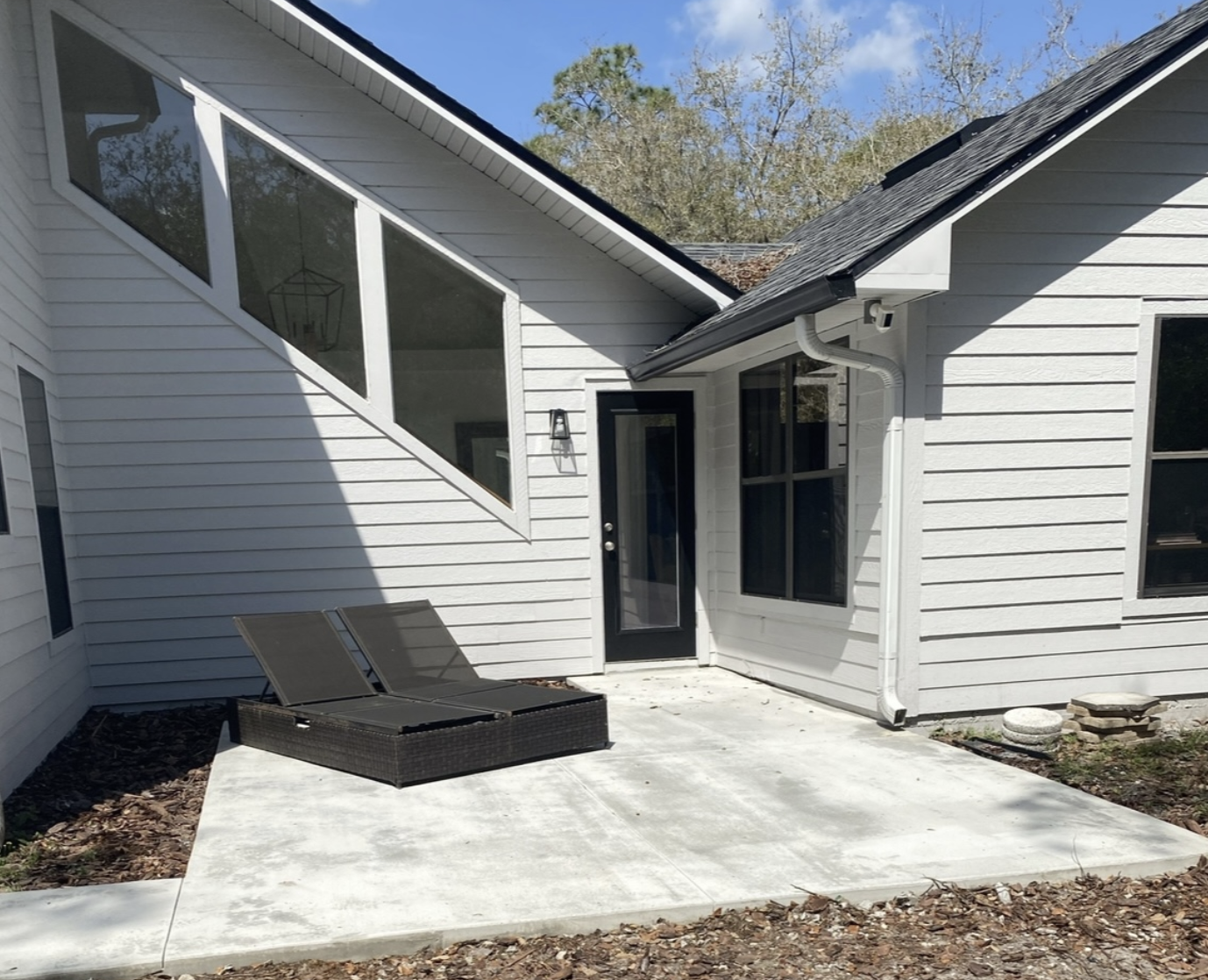
What Is PSI in Concrete and Why It Matters for Driveways and Patios

What Is PSI in Concrete and Why It Matters for Driveways and Patios

Table of Contents

Concrete is used in almost every construction project, including driveways, sidewalks, patios, foundations, parking lots, and commercial buildings. However, not all concrete is the same. One of the most important measurements of concrete quality is its PSI (Pounds per Square Inch), which indicates how much pressure the concrete can withstand before it cracks or fails. Choosing the right concrete PSI is essential for building strong, durable, and long-lasting structures.

What Is PSI in Concrete and Why It Matters for Driveways and Patios

If you’re planning a concrete project, understanding PSI can help you select the best concrete mix for your specific needs. A residential driveway, home foundation, and heavy-duty industrial floor all require different PSI ratings to handle different loads and conditions. In this guide, you’ll learn what concrete PSI means, why it matters, common PSI ratings, and how to choose the right strength for safe, reliable, and cost-effective construction.

PSI in Concrete Is a Measure of Compressive Strength

PSI, which stands for Pounds per Square Inch, measures the compressive strength of concrete. It indicates how much pressure a concrete surface can withstand before cracking or failing under a load. 

The higher the PSI rating, the greater the concrete’s ability to resist compression and support structural demands. Because concrete is designed to handle significant weight and pressure, PSI serves as one of the most important indicators of its quality and performance in construction projects.

Concrete PSI Is Tested and Verified

Concrete strength is verified through standardized testing methods that accurately measure its compressive capabilities. During construction, technicians prepare cylindrical samples using the same concrete mix being used for the project. These samples are carefully cured under controlled conditions to ensure the test results reflect the concrete’s actual strength potential.

After the curing period, typically 28 days, the cylinders are placed into a compression testing machine. Pressure is gradually applied until the sample breaks, and the maximum force it withstands is recorded as its PSI rating. This process helps confirm whether the concrete meets engineering specifications and project requirements.

Affects the PSI of a Concrete Mix

The PSI of a concrete mix is influenced by several factors, including the amount of water used, the quality of materials, the mixing process, and curing conditions. When these elements are properly managed, concrete can achieve the strength and durability required for its intended application. 

Poor mixing or curing practices can prevent concrete from reaching its target PSI rating.

  • Control the Water-to-Cement Ratio: Using too much water can weaken concrete and lower its overall compressive strength.
  • Use Quality Concrete Materials: High-quality cement and aggregates help create a stronger and more durable concrete mix.
  • Mix Concrete Properly: Consistent mixing ensures all ingredients are evenly distributed, improving strength throughout the slab.
  • Allow Proper Curing Time: Keeping concrete adequately cured helps it develop its full PSI potential and long-term durability.

Common PSI Ratings and What Each One Is Built For

Concrete is available in multiple PSI ratings to accommodate different construction needs. Lower-strength mixes are commonly used for light residential applications, while higher-strength concrete is required for structures that must support greater loads and withstand harsher conditions. 

Understanding the most common PSI ratings helps ensure the right concrete is selected for each project, improving both safety and longevity.

  • 2,500 PSI Concrete: 2,500 PSI concrete is commonly used for sidewalks, patios, walkways, and garden paths. It provides sufficient strength for areas that primarily support foot traffic rather than heavy vehicles or structural loads.
  • 3,000 PSI Concrete: 3,000 PSI concrete is frequently used for driveways, garage floors, foundations, and concrete slabs. Its higher strength allows it to withstand vehicle traffic and everyday residential use more effectively than lower-strength mixes.
  • 3,500 to 4,000 PSI Concrete: 3,500 to 4,000 PSI concrete is commonly selected for foundations, reinforced structures, commercial slabs, and parking areas. Its enhanced durability and load-bearing capacity make it suitable for projects that experience heavier stress and demanding conditions.

The Right PSI for Driveways Depends on More Than Weight

Many people believe driveway concrete strength should be chosen based only on the weight of vehicles. While vehicle loads are an important factor, other elements such as slab thickness, reinforcement, soil stability, drainage, and climate conditions also affect driveway performance. 

A durable driveway requires the right combination of PSI, proper installation, and structural support to prevent cracking and extend its lifespan.

PSI vs. Slab Thickness

PSI and slab thickness work together to determine how well a driveway handles stress. Higher PSI concrete provides greater compressive strength, but thickness helps distribute loads across the surface. A driveway that is too thin may crack prematurely even if high-strength concrete is used.

FactorPSISlab Thickness
Primary PurposeMeasures concrete strengthDistributes vehicle loads
Affects DurabilityYesYes
Helps Prevent CrackingPartiallySignificantly
Important for DrivewaysEssentialEssential

Reinforcement, Rebar, and PSI

PSI measures the compressive strength of concrete, but reinforcement materials such as rebar and wire mesh help improve its overall structural performance. While higher PSI concrete can withstand greater pressure, reinforcement helps control cracking, distribute loads more evenly, and increase the durability of driveways, patios, and other concrete surfaces. 

Using the right combination of PSI and reinforcement can significantly extend the lifespan of a concrete installation.

  • Use rebar in driveways and slabs that will support heavy vehicles or equipment.
  • Install wire mesh to help minimize shrinkage cracks in concrete surfaces.
  • Match the reinforcement method to the expected load requirements of the project.
  • Ensure rebar is properly positioned within the concrete for maximum effectiveness.
  • Choose an appropriate PSI rating based on traffic, soil conditions, and climate.
  • Maintain proper concrete thickness alongside reinforcement for better performance.

Choosing the Right Concrete PSI for Your Patio

Patios generally experience lighter loads than driveways, but selecting the correct PSI remains important for durability and appearance. Most residential patios perform well with concrete in the 2,500 to 3,000 PSI range. However, climate conditions, patio size, and intended use should also be considered when choosing a concrete mix.

Patio Traffic and Usage

The amount of foot traffic a patio receives can influence the ideal PSI rating. A small backyard patio used occasionally may not require the same strength as an outdoor entertainment area that regularly hosts gatherings and outdoor furniture.

Higher traffic levels can place additional stress on the concrete surface over time. Choosing a PSI rating that matches expected usage helps minimize wear and maintain the patio’s appearance for longer periods.

Heavy outdoor features such as grills, fire pits, outdoor kitchens, and hot tubs may also increase load requirements. These additions should be considered during project planning.

Climate and Weather Exposure

Weather conditions play a significant role in concrete performance. Patios exposed to extreme temperatures, heavy rainfall, or freeze-thaw cycles often benefit from stronger concrete mixes that can better withstand environmental stress.

Moisture infiltration and temperature fluctuations can gradually weaken concrete if the mix is not suitable for local conditions. Higher-strength concrete often provides improved resistance to these challenges.

In colder climates, concrete may expand and contract repeatedly as temperatures change. This movement can increase the likelihood of cracking if the concrete lacks sufficient strength.

Decorative Finishes and Long-Term Appearance

Many homeowners choose stamped, stained, or decorative concrete patios to enhance their outdoor living spaces. The quality and strength of the concrete can influence how well these finishes hold up over time.

A stronger concrete mix typically provides a more stable surface for decorative treatments. This can help maintain patterns, colors, and textures while reducing the risk of surface deterioration.

Decorative patios represent a significant investment, making durability especially important. Using an appropriate PSI rating helps protect both the structure and its appearance.

Higher PSI Concrete Costs More

Higher PSI concrete generally comes with a higher price tag because it is designed to deliver greater strength and durability. Achieving a higher PSI rating requires more cement, stricter mix proportions, and enhanced quality control during production. Although the upfront cost is higher, stronger concrete can provide better long-term performance and reduce future repair expenses.

  • More Cement Is Required: Higher-strength concrete contains a larger amount of cement, which is one of the most expensive components in a concrete mix.
  • Stricter Mix Design Standards: Producing high-PSI concrete requires carefully controlled proportions of cement, water, and aggregates to achieve the desired strength.
  • Additional Quality Testing: Higher-strength mixes often undergo more testing and inspection to ensure they meet project specifications and performance requirements.
  • Premium Materials May Be Needed: Some high-PSI mixes use specialized aggregates or admixtures to improve strength, durability, and workability.

Conclusion

Understanding PSI in concrete is essential for choosing the right concrete mix for driveways, patios, foundations, and other construction projects. PSI measures compressive strength, helping determine how much pressure concrete can withstand before failing. Selecting the appropriate PSI ensures the concrete can handle expected loads while maintaining long-term durability and structural integrity.

While higher PSI concrete generally offers greater strength and durability, factors such as slab thickness, reinforcement, soil conditions, and proper installation also play important roles in overall performance. By balancing these elements and selecting a PSI rating suited to the project’s needs, property owners can maximize the lifespan and value of their concrete investment.

FAQs

Is 3,000 PSI concrete good for a driveway?

Yes, 3,000 PSI concrete is commonly used for residential driveways because it provides adequate strength for normal vehicle traffic while remaining cost-effective.

What is the difference between 3,000 and 4,000 PSI concrete?

The main difference is compressive strength. 4,000 PSI concrete can withstand greater pressure, making it more suitable for heavy-duty applications and areas exposed to higher loads.

Does higher PSI concrete crack less?

Higher PSI concrete is generally more durable and resistant to certain types of damage, but proper installation, reinforcement, and curing are still necessary to minimize cracking.

How long does concrete take to reach full PSI?

Concrete gains strength gradually and is typically tested at 28 days, when it reaches most of its specified PSI rating. However, it can continue gaining strength for months afterward.

Can I pour 2,500 PSI concrete for my driveway to save money?

Although 2,500 PSI concrete may work for very light-duty applications, most residential driveways benefit from at least 3,000 PSI concrete to better handle vehicle loads and daily use.

Does PSI affect concrete color or finish options?

No, PSI primarily affects strength and durability. Decorative finishes, textures, and color options can generally be applied to both lower- and higher-strength concrete mixes.

Professional Concrete Services in Orlando, FL

Accu-Krete provides reliable concrete installation, repair, decorative concrete, patios, driveways, and sidewalk solutions for homeowners and businesses across Orlando and nearby areas.

Our Concrete Services

Areas We Serve