What Is Concrete? How It’s Made and Why It’s Used for Outdoor Surfaces

What Is Concrete How It's Made and Why It's Used for Outdoor Surfaces

Table of Contents

Fire and Weather Resistance

Concrete is considered a highly fire-resistant material. Unlike many building materials, it does not burn, melt, or release toxic fumes when exposed to high temperatures. Concrete also performs well under harsh weather conditions. It can resist moisture, wind, temperature fluctuations, and environmental exposure, making it suitable for weather-resistant structures and outdoor construction applications.

What Is Concrete How It's Made and Why It's Used for Outdoor Surfaces

Low Maintenance Requirements

One of the key advantages of concrete is its long-term durability. Properly designed and constructed concrete structures often require minimal maintenance throughout their service life. Unlike some building materials that may rot, warp, or deteriorate quickly, concrete maintains its performance for many years. This reduces repair costs and contributes to overall building durability.

Common Uses of Concrete

Concrete applications can be found in nearly every area of modern construction. Its versatility allows it to be used in projects ranging from small residential improvements to major infrastructure developments.

  • Building Foundations – Concrete foundations provide the structural support needed to distribute building loads safely into the ground.
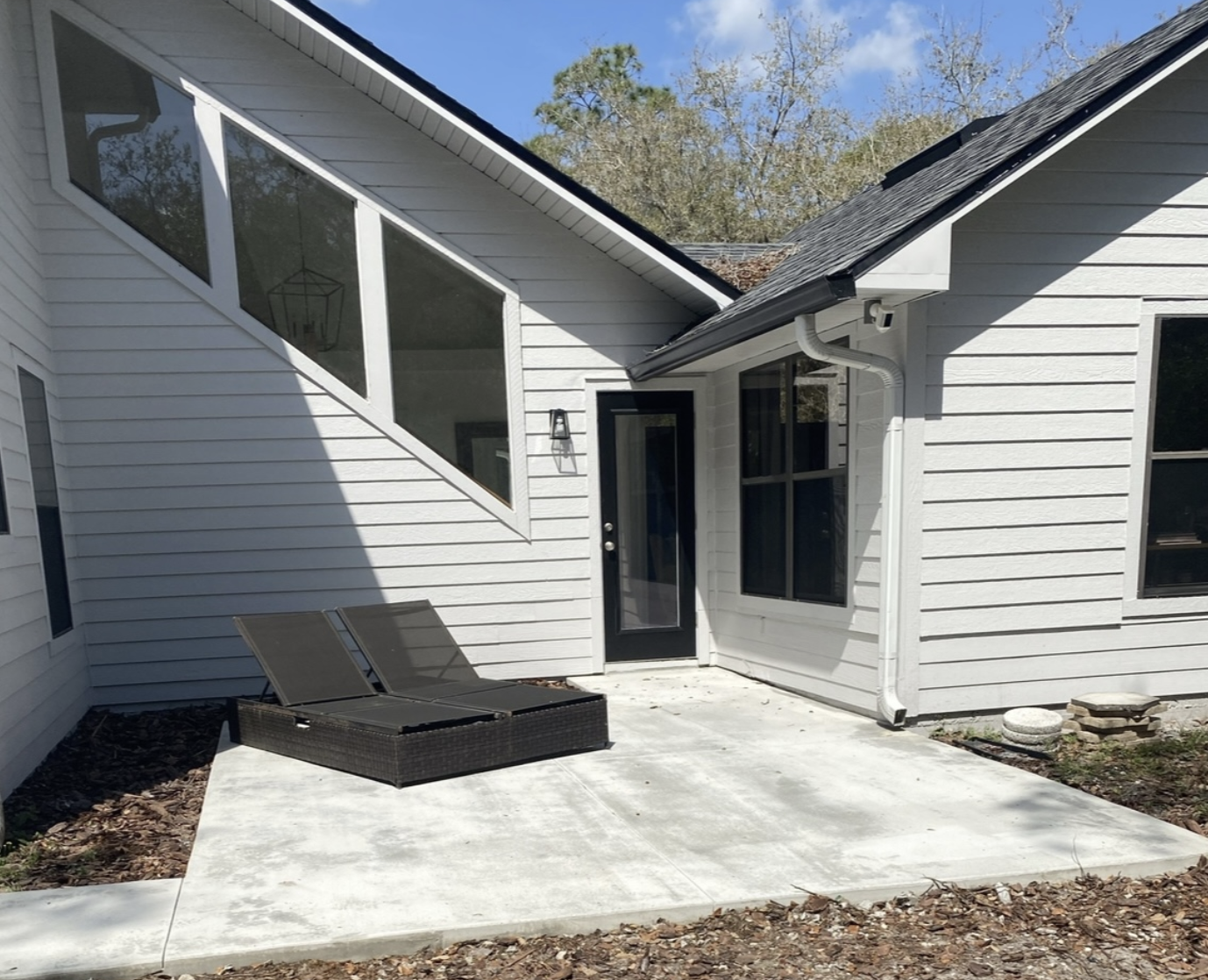
  • Concrete Slabs – Used for floors, patios, garages, and commercial buildings due to their strength and durability.
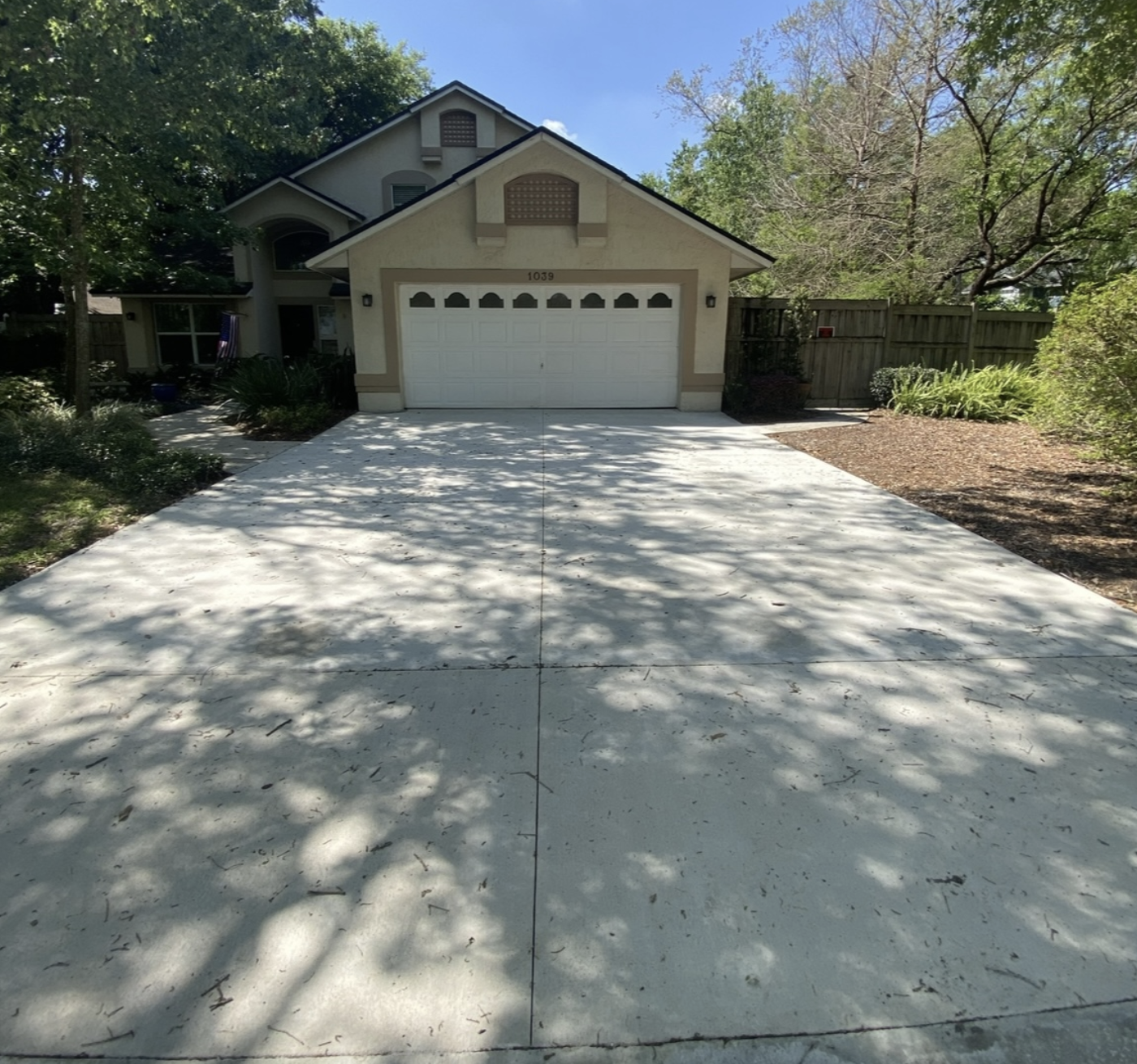
  • Concrete Driveways – Popular for residential properties because they can withstand vehicle traffic and require limited maintenance.
  • Concrete Sidewalks – Widely used in urban and residential areas because of their durability and long service life.
  • Concrete Columns and Beams – Essential structural components that help support buildings and transfer loads efficiently.
  • Bridge Construction – Concrete is frequently used in bridges because of its strength, stability, and weather resistance.
  • Retaining Walls – Helps prevent soil movement and supports landscaping or elevated ground areas.
  • Parking Lots – Concrete pavement provides a durable surface capable of handling continuous vehicle traffic.

Concrete vs. Other Building Materials

Concrete is often compared with other commonly used construction materials. Each material offers unique advantages and limitations depending on the project requirements. Understanding these differences helps builders select the most suitable option for specific applications.

FeatureConcreteAsphaltSteelWood
Primary UseFoundations, buildings, bridges, pavementsRoads, parking lots, drivewaysStructural frameworks and industrial constructionResidential framing and interior construction
StrengthHigh compressive strength and excellent durabilityModerate strength for surface applicationsVery high tensile and compressive strengthGood strength for lightweight structures
Lifespan50+ years with proper maintenanceTypically 15–25 years50+ years when protected from corrosionVaries depending on maintenance and environmental exposure
MaintenanceLow maintenance requirementsRequires periodic resurfacing and repairsRequires corrosion protection and inspectionsRequires regular maintenance against moisture and pests
Fire ResistanceExcellent fire resistanceLimited fire resistanceCan lose strength under extreme heatCombustible and vulnerable to fire
Weather ResistanceStrong resistance to weather and moistureCan soften in extreme heat and crack over timeVulnerable to corrosion if not protectedSusceptible to moisture damage and decay
Load-Bearing CapacityExcellent for heavy structuresLimited structural load capacityExceptional load-bearing capabilityModerate load-bearing capacity
Cost Over TimeCost-effective due to durability and longevityLower initial cost but higher maintenance costsHigher material and installation costsLower upfront cost but higher maintenance expenses

Conclusion

Concrete remains one of the most important construction materials used in modern building projects. Its combination of strength, durability, versatility, and cost-effectiveness makes it suitable for a wide range of applications, from residential foundations and driveways to bridges, roads, and high-rise structures. Understanding concrete composition, types, and properties helps ensure the right material is selected for each construction requirement.

The long-term performance of concrete depends on proper mix design, quality materials, and correct curing practices. Whether used in reinforced concrete structures, precast components, or large infrastructure projects, concrete continues to provide reliable structural support and lasting value. Its ability to withstand heavy loads and challenging environmental conditions makes it a trusted choice across the construction industry.

Frequently Asked Questions

How long does concrete take to cure?

Concrete begins to harden within a few hours, but full curing typically takes about 28 days. During this period, the concrete gradually develops its design strength and durability.

What is the strongest type of concrete?

High-strength concrete is generally considered one of the strongest types of concrete. It is specifically designed to achieve higher compressive strength for demanding structural applications.

Is concrete environmentally friendly?

Concrete can support sustainable construction when produced and used responsibly. Modern concrete mixes often incorporate recycled materials and supplementary cementitious products to reduce environmental impact.

Can concrete be recycled?

Yes, concrete is highly recyclable. Crushed concrete can be reused as aggregate in road construction, foundations, and various construction projects.

What exactly is concrete made of?

Concrete is made from cement, aggregates such as sand and gravel, water, and sometimes admixtures or additives. These materials combine to create a strong and durable construction material.

What is concrete in simple words?

Concrete is a hard building material made by mixing cement, water, sand, and gravel. Once it hardens, it becomes strong enough to support buildings, roads, and other structures.

Professional Concrete Services in Orlando, FL

Accu-Krete provides reliable concrete installation, repair, decorative concrete, patios, driveways, and sidewalk solutions for homeowners and businesses across Orlando and nearby areas.

Our Concrete Services

Areas We Serve