A well-designed patio can instantly upgrade your outdoor space, making it more comfortable, usable, and visually appealing. When planning a new patio, one of the most common choices homeowners face is between plain concrete and decorative concrete. Both options start with the same basic material, but they differ greatly in appearance, finish, and overall impact on your home’s exterior style. Understanding these differences can help you choose a patio that fits both your needs and your budget.
Plain concrete patios are valued for their durability, affordability, and clean, simple look, making them a practical option for everyday use. They are strong, low-maintenance, and ideal for homeowners who want a functional outdoor area without extra design costs. In contrast, decorative concrete patios focus more on style, offering options like stamped patterns, colors, and textured finishes that enhance curb appeal. While they may cost more, they create a more polished and customized outdoor living space that can elevate the overall look of your property.
What is a Plain Concrete Patio?
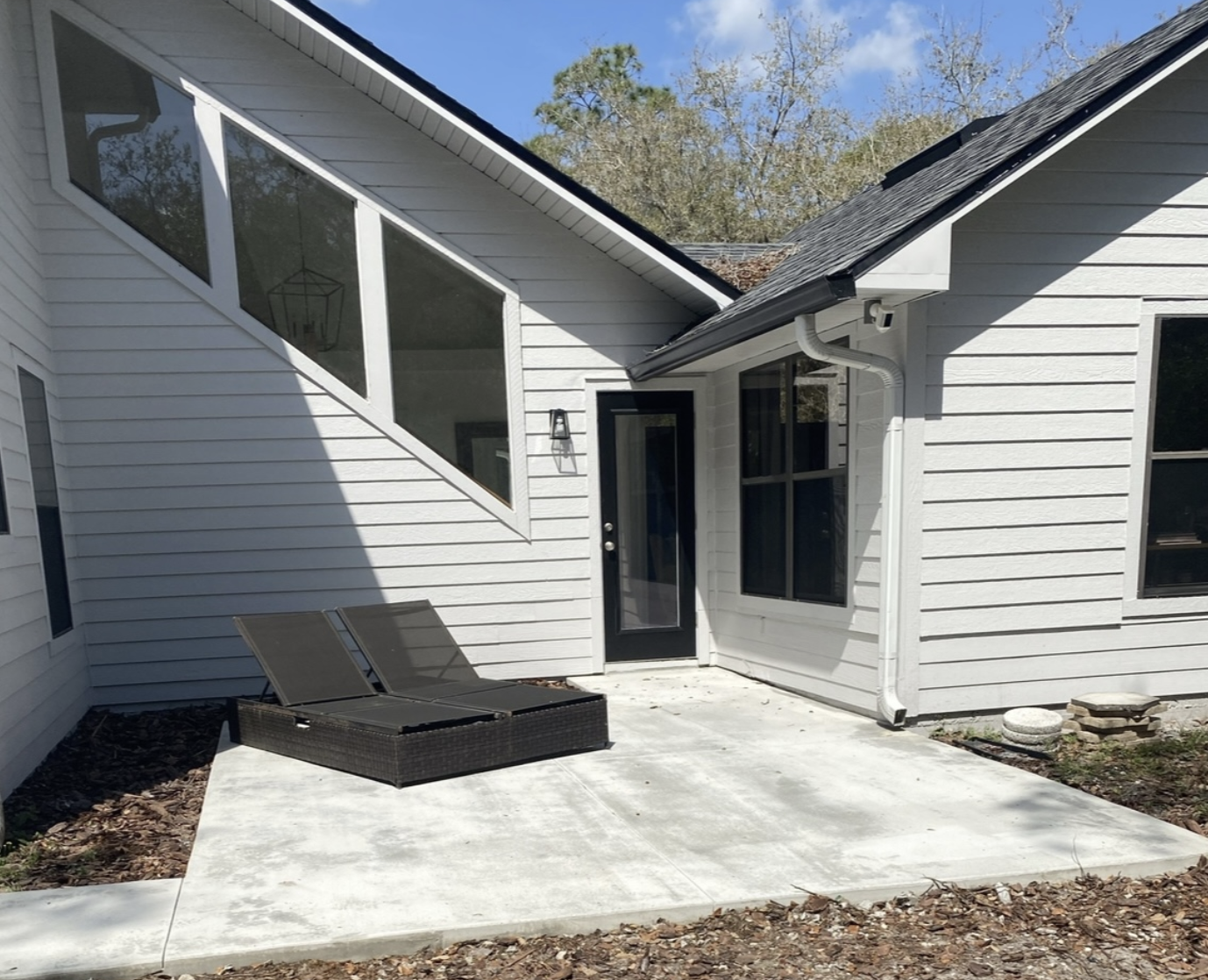
A plain concrete patio is a basic outdoor surface made from poured concrete that is leveled and finished without any decorative enhancements. It usually has a smooth or broom-finished texture that provides safety and durability. The main purpose of this type of patio is functionality rather than appearance.
Plain concrete is widely used in residential and commercial spaces because it is affordable and easy to install. It creates a solid, long-lasting surface suitable for furniture, walking, and outdoor activities without requiring complex design work or additional materials.
Benefits of a Plain Concrete Patio
A plain concrete patio is a popular choice for homeowners who want a strong and budget-friendly outdoor surface. It is practical, long-lasting, and requires very little maintenance over time.
- Lower installation cost compared to decorative options
- High durability and strength under heavy use
- Easy and quick installation process
- Minimal maintenance requirements
- Suitable for all weather conditions
- Ideal for large patio areas on a budget
Drawbacks of a Plain Concrete Patio
Plain concrete patios are practical and affordable, but they do come with some limitations that homeowners should consider. One of the main drawbacks is their plain and basic appearance, which may not enhance the overall beauty of outdoor spaces.
Over time, the gray surface can look dull compared to more modern decorative options, especially in well-designed landscapes. Additionally, plain concrete is prone to developing small cracks due to weather changes, soil movement, or heavy usage.
What is a Decorative Concrete Patio?
A decorative concrete patio is an upgraded version of standard concrete that is enhanced using colors, patterns, textures, and finishing techniques. It is designed not only for durability but also to improve the visual appeal of outdoor spaces.
This type of patio is commonly used in modern landscaping because it can replicate the look of natural stone, brick, tile, or even wood. It offers homeowners the flexibility to create customized outdoor designs that match their home’s architecture and personal style.
Types of Decorative Concrete Patio Finishes
Decorative concrete comes in several popular styles, each offering a unique look and finish. These techniques help transform ordinary concrete into a visually appealing surface. Stamped concrete is one of the most widely used options, where patterns are pressed into freshly poured concrete to mimic materials like stone or brick.
Stained concrete adds color variations and artistic tones to the surface, giving it a rich and customized appearance. Exposed aggregate reveals stones within the concrete for a textured and natural look, while polished concrete creates a smooth and glossy finish ideal for modern designs.
- Stamped concrete (stone, brick, or tile patterns)
- Stained concrete (color-enhanced surface design)
- Exposed aggregate (textured stone appearance)
- Polished concrete (smooth and glossy finish)
- Engraved concrete (custom artistic patterns)
Benefits of Decorative Concrete Patio
Decorative concrete patios are preferred by homeowners who want both durability and visual enhancement in their outdoor spaces. It adds a premium feel while maintaining the strength of traditional concrete.
- Highly customizable design options
- Enhances outdoor aesthetic and property value
- Can mimic expensive natural materials
- Durable when properly sealed and maintained
- Wide range of colors, patterns, and textures
- Suitable for modern landscaping styles
Drawbacks of Decorative Concrete Patio
Decorative concrete patios offer great visual appeal, but they also come with a few disadvantages that should be considered before installation. One of the main drawbacks is the higher cost compared to plain concrete, as it requires skilled labor, special materials, and additional finishing work.
It also takes more time to install due to processes like stamping, coloring, or polishing, which increase both labor and project duration. Maintenance is another concern, as decorative surfaces need regular sealing and careful cleaning to preserve their appearance.
Plain Concrete vs Decorative Concrete Patio: Key Differences
Both plain and decorative concrete patios serve the same basic purpose, but they differ significantly in appearance, cost, and maintenance requirements. Understanding these differences can help you choose the right option for your outdoor space.
Appearance & Aesthetic Value
Plain concrete has a simple, clean, and industrial appearance that focuses more on function than style. It is typically finished in a standard gray color with minimal design variation. This makes it suitable for homeowners who prefer a basic and practical outdoor surface.
However, it may not significantly enhance the visual appeal of modern landscaping designs. Decorative concrete, on the other hand, is specifically designed to improve the overall aesthetics of outdoor spaces. It can be customized with a wide range of patterns, colors, and textures to match different architectural styles.
Durability & Lifespan
Both plain and decorative concrete patios are highly durable when properly installed and maintained. Plain concrete is known for its strength and ability to handle heavy foot traffic and outdoor use. It performs well in different weather conditions, including heat, rain, and seasonal changes.
Decorative concrete is also durable, but its lifespan depends heavily on the quality of installation and sealing. When professionally installed, it can last just as long as plain concrete while maintaining its decorative finish. However, the surface layer may wear down if not properly maintained over time.
Maintenance Requirements
Plain concrete requires minimal maintenance, making it a convenient option for many homeowners. Basic cleaning such as sweeping and occasional washing, is usually enough to keep it in good condition. In some cases, sealing may be applied to prevent moisture damage and surface wear.
Decorative concrete requires a bit more attention to preserve its appearance. Regular sealing is important to protect colors, patterns, and surface texture from fading. Cleaning must also be done carefully to avoid damaging the decorative finish.
Installation Process & Time
Installing plain concrete is a relatively simple and quick process compared to decorative options. It involves pouring the concrete, leveling it properly, and finishing it with basic tools such as a trowel or broom. Because there are fewer steps involved, labor time and cost are generally lower.
Decorative concrete requires more time and skill during installation. Additional steps such as stamping, coloring, or polishing are involved to achieve the desired design effect. These processes require experienced workers to ensure accuracy and consistency in the final look.
Cost of Plain vs Decorative Concrete Patio
The cost of a concrete patio depends mainly on design complexity, materials used, and labor requirements. Plain concrete is generally more affordable because it uses basic materials and a straightforward installation process without decorative finishes.
Decorative concrete, on the other hand, costs more due to additional steps like stamping, coloring, or polishing that require skilled labor. Overall, your budget and design expectations play a key role in deciding between the two options.
| Patio Type | Average Cost Range | Main Cost Factors | Overall Value |
| Plain Concrete Patio | Low to moderate | Basic materials, simple labor, minimal finishing | Best for budget-friendly durability |
| Decorative Concrete Patio | Moderate to high | Design work, coloring, stamping, and sealing | Best for aesthetic appeal and property value |
Which Patio Type is Best for Your Home?
Choosing between plain and decorative concrete depends on your budget, design goals, and how you plan to use the space. Both options have clear advantages, but the right choice varies from home to home.
Choose plain concrete
Plain concrete is best if your priority is functionality, affordability, and durability. It works well for utility spaces, large open patios, or areas where design is not a major concern. If you want a low-maintenance surface that performs reliably over time, plain concrete is a strong option. It is also ideal for homeowners who prefer a simple, clean outdoor look without extra cost.
Choose decorative concrete
Decorative concrete is the better choice if appearance and design are important to you. It is suitable for outdoor entertainment areas, garden patios, and modern landscaping projects. If you want your patio to match your home’s style or mimic natural materials like stone or brick, decorative concrete offers more flexibility. It is also a good option if you want to increase your property’s visual appeal.
Maintenance Guide for Long-Lasting Concrete Patios
Proper maintenance is essential for extending the life of any concrete patio, whether plain or decorative. Regular care helps prevent cracks, stains, and surface damage while maintaining durability and appearance.
Simple maintenance habits can significantly improve the performance of your patio over time. Understanding the needs of each type ensures long-term value and functionality.
Plain Concrete
Plain concrete is very easy to maintain and does not require much effort to keep in good condition. Simple routine care is usually enough to maintain its strength and appearance over time. Regular sweeping helps remove dust, dirt, and debris that can accumulate on the surface.
Occasional pressure washing and sealing also help protect it from cracks and moisture damage.
- Easy Cleaning: Basic sweeping and washing are enough to keep the surface clean. It does not require specialized cleaning products or treatments.
- Low Maintenance Cost: Maintenance expenses are very minimal compared to decorative options. This makes it a budget-friendly long-term choice.
- Sealing Protection: Applying sealant every few years helps prevent water absorption and surface cracking. It also extends the overall lifespan.
- Durability Support: Proper care ensures the concrete stays strong under heavy use and weather exposure. It remains reliable for many years.
Decorative Concrete
Decorative concrete requires more attention because its appearance is a key part of its value. Regular maintenance is necessary to preserve its colors, patterns, and textured finishes. Dirt buildup should be cleaned frequently to prevent dullness or surface fading.
Using proper care techniques ensures the decorative design stays attractive for a long time.
- Regular Cleaning Needed: Dirt and stains should be cleaned frequently to maintain visual appeal. This prevents the surface from looking dull or aged.
- Resealing Requirement: Protective sealing is needed to preserve colors and patterns. It also helps protect against weather damage.
- Careful Cleaning Methods: Harsh chemicals should be avoided to prevent damage to decorative finishes. Gentle cleaning keeps the surface safe.
- Aesthetic Protection: Proper maintenance ensures the decorative design stays vibrant and visually appealing. It helps retain property value and style.
Common Problems in Concrete Patios & How to Avoid Them
Concrete patios are strong and long-lasting, but they can still develop issues over time if not installed or maintained properly. Problems like cracking, discoloration, and surface wear are common in both plain and decorative concrete.
Weather changes, poor installation, and lack of maintenance are usually the main reasons behind these issues. However, most of these problems can be avoided with proper care and planning.
- Cracking: Cracks can appear due to temperature changes or soil movement under the concrete. Using proper joint spacing and quality installation helps reduce this issue.
- Surface Discoloration: Exposure to sunlight, water, and chemicals can cause uneven coloring over time. Applying a good-quality sealant helps protect the surface.
- Water Damage: Poor drainage can lead to water pooling and long-term structural damage. Ensuring proper slope and drainage prevents this problem.
- Surface Wear: Heavy foot traffic and outdoor furniture can wear down the surface over time. Regular maintenance and sealing help preserve durability.
- Staining: Spills from oil, food, or outdoor activities can leave permanent marks. Cleaning spills quickly reduces the risk of deep stains.
- Poor Installation Issues: Weak finishing or improper mixing can reduce patio strength. Hiring experienced contractors ensures long-term performance.
Environmental Impact of Plain vs Decorative Concrete
Plain concrete generally has a lower environmental impact because it requires fewer materials and simpler production processes. Its basic composition makes it more resource-efficient during installation. However, like all concrete, it still contributes to carbon emissions during cement production.
Its long lifespan does help reduce the need for frequent replacements, which is environmentally beneficial in the long run. Decorative concrete can have a slightly higher environmental impact due to additional materials like stains, sealers, and pigments. The production and application of these materials increase resource usage.
However, decorative concrete also offers sustainability benefits when it extends the life and usability of outdoor spaces. Choosing eco-friendly sealers and proper maintenance can help reduce its environmental footprint.
Conclusion
Choosing between a plain concrete patio and a decorative concrete patio ultimately depends on your budget, style preferences, and long-term expectations. Plain concrete is ideal for homeowners who want a strong, affordable, and low-maintenance outdoor surface that performs well in all conditions. It focuses more on practicality and durability rather than design, making it a reliable option for everyday use.
Decorative concrete, on the other hand, is perfect for those who want to enhance the visual appeal of their outdoor space. It offers a wide range of customization options, including colors, patterns, and textures that can significantly improve your home’s exterior look. While it costs more and requires extra maintenance, it adds value and style that plain concrete cannot provide.
(FAQs
Is decorative concrete better than plain concrete for patios?
Decorative concrete is better if your priority is aesthetics and design flexibility. However, plain concrete is better for affordability and low maintenance.
Which concrete patio lasts longer?
Both can last a long time if properly installed and maintained. Plain concrete may have fewer surface issues, but decorative concrete can last equally long with proper sealing.
Does decorative concrete crack easily?
No, decorative concrete does not crack more easily than plain concrete. Cracking depends mostly on installation quality and ground conditions, not the finish type.
Can plain concrete be upgraded later?
Yes, plain concrete can be upgraded using staining, stamping overlays, or resurfacing techniques. This allows you to improve its appearance without complete replacement.
What is the cheapest patio option?
Plain concrete is the cheapest patio option because it requires fewer materials, less labor, and no decorative finishing work.
What are the different types of concrete patios?
The main types include plain concrete patios and decorative concrete patios such as stamped, stained, exposed aggregate, and polished finishes. Each type offers different levels of design and cost.
Professional Concrete Services in Orlando, FL
Accu-Krete provides reliable concrete installation, repair, decorative concrete, patios, driveways, and sidewalk solutions for homeowners and businesses across Orlando and nearby areas.