Decorative saw cuts have become a popular way to transform a standard, plain concrete driveway into a stunning architectural feature that enhances the entire exterior of a home. Often used to simulate the look of large stone tiles or intricate geometric patterns, these cuts provide a sophisticated and high-end appearance at a fraction of the cost of natural masonry. Beyond their visual appeal, saw cuts serve a vital structural purpose by acting as controlled stress points that guide where the concrete will naturally crack as it cures and expands.

By integrating these joints into a deliberate, attractive design, you minimize the appearance of unsightly, random fractures while adding a level of artistic detail that sets your property apart. Whether you are looking to create a modern grid or a classic pattern, saw cutting is a versatile technique that combines form and function perfectly. This guide will explore how you can use these decorative elements to elevate your driveway while ensuring its long-term strength and integrity.
Decorative Saw Cuts for Concrete Driveways
Decorative saw cuts are achieved by using a high-precision masonry saw to score the surface of the concrete after it has reached a specific stage of curing. This process creates clean, narrow grooves that can be arranged in various patterns to mimic the look of pavers, natural stone, or tiled flooring without the high cost of individual material installation.
Because concrete is naturally prone to shifting due to temperature changes, these cuts serve as essential control joints that reduce internal tension and prevent random, jagged cracks from appearing across the driveway’s surface.
The Structural Benefits of Controlled Joints
- The primary reason concrete develops cracks is the natural process of expansion and contraction caused by changes in temperature and moisture content.
- If left unmanaged, the concrete will eventually break at its weakest points, leading to irregular, spiderweb-like cracks that can be difficult to repair and visually distracting.
- Decorative saw cuts act as “programmed” cracks, providing a weak point in the slab that directs the concrete to split in a straight, hidden line within the groove.
- By choosing to place these cuts in a decorative pattern, you are effectively hiding your control joints in plain sight while managing the structural health of the driveway.
- This proactive approach to maintenance ensures that your driveway doesn’t just look better, but actually lasts longer because it is protected from the internal stresses that typically degrade unmanaged concrete over time.
Design Possibilities and Pattern Customization
One of the most exciting aspects of using saw cuts is the sheer variety of designs that can be applied to your driveway to match your personal style and architecture. You can opt for simple grid patterns for a modern, clean look, or more complex layouts like diamond shapes, herringbone, or large-format rectangles to mimic expensive stone slabs.
These designs can be further enhanced by filling the saw cuts with a contrasting colored sealant or by adding color stains to the individual “tiles” created by the lines. Because the cuts are made using professional-grade tools, the edges are incredibly sharp and clean, resulting in a look that feels intentionally designed rather than accidental.
The Professional Installation Process
Achieving high-quality decorative saw cuts is a technical task that requires careful planning and the use of specialized, professional-grade equipment. Typically, the cutting is performed once the concrete has cured sufficiently—usually within 24 to 48 hours—to ensure the edges remain crisp and do not crumble during the process. An experienced installer will measure the area precisely to ensure that the pattern is centered and consistent across the entire length of the driveway.
Grid and Rectangular Patterns
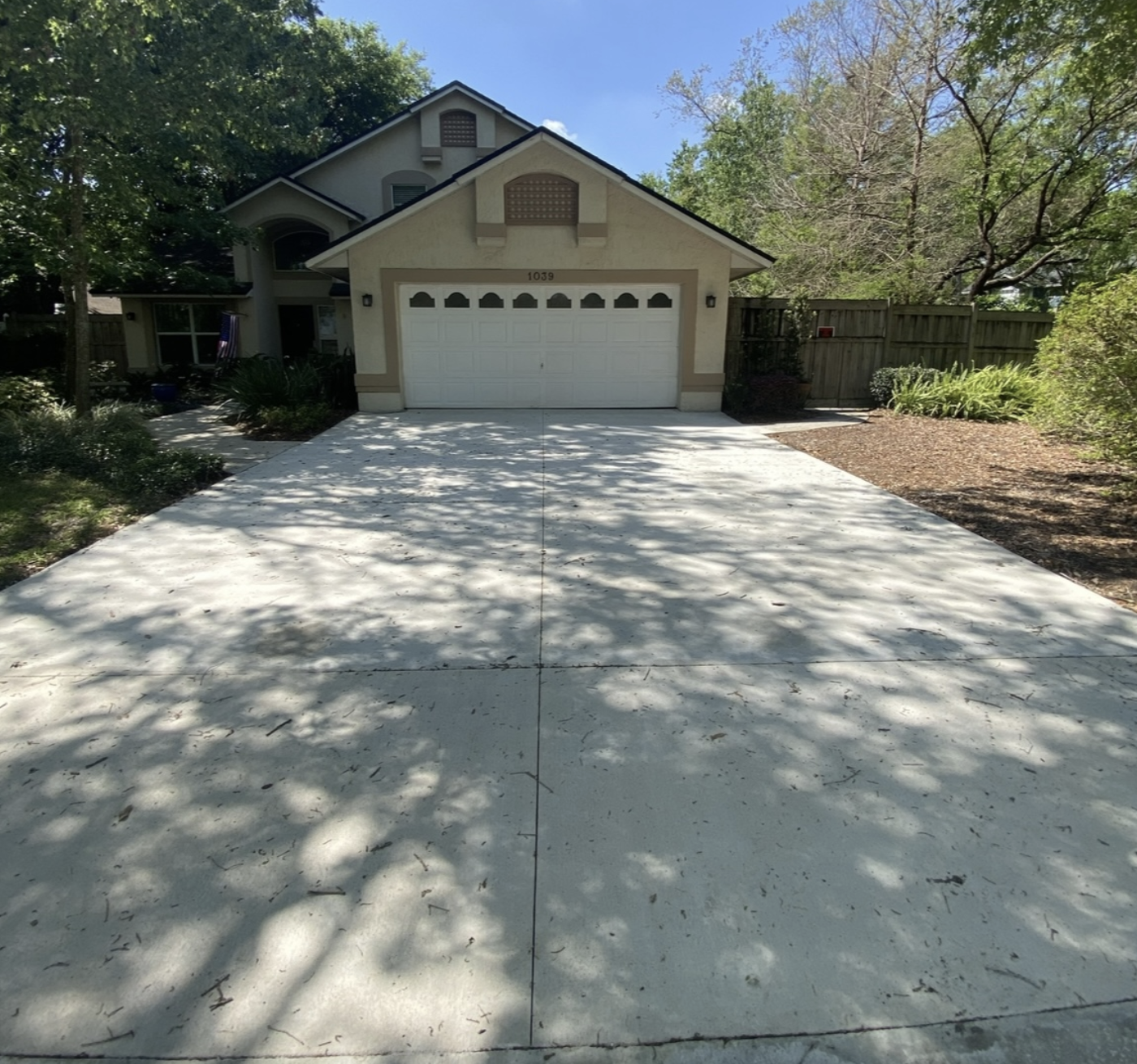
A classic grid pattern is the most common and versatile choice, perfect for creating a clean, modern aesthetic. These lines can be spaced to match the dimensions of your home’s exterior, providing a seamless visual transition from the driveway to the house.
Diamond and Diagonal Layouts
Diamond patterns add a sense of dynamic movement and sophistication to a driveway, breaking up the horizontal lines of the property. This layout is especially effective for wide driveways, as it draws the eye and creates a more interesting visual focus.
Contrasting Sealant Fills
To make the saw cuts stand out as a primary design element, many homeowners choose to fill the grooves with a high-quality sealant in a contrasting color. This technique highlights the pattern and adds a graphic quality to the driveway surface.
Border and Perimeter Framing
Incorporating a decorative border or frame around the edge of the driveway adds a finished, refined look to the entire installation. This technique defines the driveway space, separating it from the lawn or sidewalk and creating a clear, intentional boundary.
Combining Stains with Saw Cuts
If you want to take your driveway to the next level, you can apply custom concrete stains to the segments created by the saw cuts. This can turn your concrete surface into a beautiful imitation of multi-colored stone or brick, increasing visual depth.
Edge Rounding and Smoothing
After the initial saw cut, professionals often perform a secondary step to slightly round or bevel the edges of the groove. This smooth finish prevents the edges from chipping over time and makes the driveway much easier to sweep and clean.
The Aesthetics of Precision Cutting
- Precision is what separates an amateur attempt from a professional decorative saw cut installation that enhances your property’s value.
- When the lines are perfectly straight and the intersection points are aligned, the driveway exudes an air of quality and architectural intentionality that is immediately apparent.
- The visual impact is achieved not only through the lines themselves but also through the subtle shadows they cast throughout the day, which change as the sun moves.
- This creates a constantly evolving texture on your driveway surface, adding life and character to what would otherwise be a flat, uninteresting area of concrete.
- By focusing on the details—like ensuring the depth is uniform and the cuts terminate perfectly at the borders—you turn a functional slab into a deliberate design choice that complements the landscape and architecture of your entire home.
Decorative Saw Cut Performance Table
| Feature | Function | Aesthetic Impact | Benefit |
| Control Joint | Guides natural cracking | Conceals fractures | Structural longevity |
| Grid Pattern | Divides large surfaces | Modern, clean look | Reduces surface tension |
| Diamond Cut | Directs visual interest | Sophisticated, unique | Enhanced curb appeal |
| Beveled Edges | Prevents chipping | Smooth, finished edges | Easier maintenance |
| Colored Fill | Protects the groove | Graphic, bold contrast | High-end appearance |
| In-Filled Stains | Mimics stone/tile | Adds color/depth | Personalized design |
| Depth Precision | Maintains strength | Uniform shadow lines | Guaranteed durability |
| Border Framing | Defines driveway area | Professional framing | Property boundary clarity |
Long-Term Maintenance and Care
Like any concrete feature, a driveway with decorative saw cuts requires consistent maintenance to ensure the patterns stay sharp and the structure remains sound. Because the grooves are deeper than the surface, they can sometimes collect small amounts of dirt, leaves, or other organic matter that should be swept out periodically.
Using a pressure washer on a low setting or a stiff-bristled broom is usually all that is needed to keep the grooves clear and the lines distinct. It is also important to periodically inspect the sealant within the cuts, as this is your first line of defense against water infiltration, which could lead to spalling or frost damage during the winter months.
Regular Cleaning Routines
Periodically clearing debris from the saw cuts is crucial for maintaining the look of your driveway. Using a leaf blower or a broom will prevent organic matter from decomposing inside the grooves and staining the surrounding concrete.
Periodic Sealant Inspection
Check the condition of the sealant in your saw cuts annually to ensure it hasn’t cracked or pulled away from the edges. Reapplying a flexible, high-quality masonry sealant when necessary will prevent moisture from seeping into the subgrade.
Proper Weed Prevention
Even in narrow saw cuts, weeds can occasionally find a way to grow if dirt is allowed to accumulate. Keeping the grooves clean and using a spot-treatment herbicide if necessary will help maintain the crisp, professional look of your design.
Avoiding Harsh Chemicals
Stay away from heavy-duty ice-melting salts during the winter, as they can erode the edges of your saw cuts. Instead, use sand or non-corrosive alternatives to maintain traction, which helps preserve the fine detail of your geometric patterns.
Managing Surface Stains
If you spill automotive fluids like oil or grease, clean them up immediately with a concrete-safe degreaser to prevent them from soaking into the porous surface. Keeping the surface clean ensures that your patterns and lines remain the focal point.
Professional Maintenance Checks
Every few years, have a concrete professional review the condition of the slab and the joints. They can offer advice on professional-grade cleaning or minor touch-ups that will keep your driveway looking as good as the day it was installed.
The Value of Professional Craftsmanship
- When you choose to invest in decorative saw cuts, you are investing in the skill of a professional who knows how to blend structural engineering with artistic design.
- The planning phase alone—where the contractor marks the layout and determines the best placement for the cuts—is a critical step that ensures the final outcome is both beautiful and long-lasting.
- A professional will also understand the specific concrete mix and curing time required to achieve the cleanest possible cuts, avoiding the frustration of crumbling edges or uneven lines.
- This expertise provides peace of mind, knowing that your driveway is not just a DIY project, but a carefully engineered structure designed for durability and style.
- Ultimately, the quality of the finish and the long-term performance of your driveway depend on the precision and experience of the team you choose for the job.
Conclusion
Decorative saw cuts are a smart, efficient, and highly effective way to enhance the beauty and functionality of a concrete driveway. By thoughtfully planning these lines, you gain a custom look that mimics the elegance of expensive stone or tile while gaining the structural benefits of controlled joint management. T
his technique successfully solves the common problem of random, unsightly cracking while simultaneously adding artistic depth and character to your home’s exterior. With professional installation and a commitment to simple, regular maintenance, your driveway can become a durable and visually stunning feature that stands the test of time.
FAQs
1. Are decorative saw cuts the same as expansion joints?
Yes, they serve the same function. Decorative saw cuts are simply a way to make these functional control joints look intentional and artistic rather than leaving them as plain, unadorned gaps in the concrete surface.
2. How deep should the saw cuts be?
Generally, saw cuts should be made to a depth of at least one-quarter of the thickness of the concrete slab. This depth is sufficient to guide the stress away from the surface and prevent random cracking while maintaining structural strength.
3. Will the saw cuts weaken the driveway?
No, when done correctly, they do not weaken the driveway. They actually strengthen it by preventing the random, uncontrolled fractures that typically occur in concrete as it cures and expands, keeping the slab organized and intact.
4. Can I add decorative saw cuts to an old driveway?
Yes, you can add them to an existing driveway, but the results are strictly aesthetic. Since the concrete has already cured and likely cracked, the cuts will not control new cracks as effectively as they would if done during the initial installation.
5. How much does it cost to have saw cuts done?
The cost depends on the complexity of your chosen pattern and the total size of your driveway. Typically, it is an additional service offered by concrete contractors that adds a small premium to the overall installation price.
6. Can I fill the cuts with anything other than sealant?
While specialized joint sealant is the standard for structural health, you can also use colored concrete caulk or decorative fillers. Always ensure the material is flexible enough to handle the natural expansion and contraction of the slab.
7. Do saw cuts attract weeds?
If the cuts are kept clean and filled with appropriate sealant, they will not attract weeds. Weed growth typically only happens if dirt and debris are allowed to settle in the grooves for a long period of time without maintenance.
8. Is the cutting process very dusty?
Professional saws use water-fed blades, which significantly reduce the amount of dust created. This creates a slurry of concrete and water that is easily cleaned up, making the installation process relatively tidy for the homeowner.
9. How do I choose the best pattern for my home?
Look at the geometry of your house—such as the roofline, window shapes, and walkway designs. A pattern that echoes these existing elements usually feels the most natural and aesthetically pleasing for the overall property design.
10. How long do the cuts stay looking sharp?
With proper care, cleaning, and occasional resealing, the cuts will look sharp for many years. The key is to prevent the edges from eroding, which is why choosing a professional installer and maintaining the sealant is so important.
Professional Concrete Services in Orlando, FL
Accu-Krete provides reliable concrete installation, repair, decorative concrete, patios, driveways, and sidewalk solutions for homeowners and businesses across Orlando and nearby areas.