Orlando’s rapid urban expansion and severe subtropical climate demand structural surfaces that can withstand both heavy traffic and intense environmental stress. Entrusting your property to unverified labor often results in structural failure, shifting foundations, and costly tearing-out processes within just a few years. Finding the right professionals requires looking past basic online advertisements and evaluating technical capabilities, local licensing, and material science expertise. By executing a strict vetting process, you protect your capital investment and secure a durable surface engineered specifically for Central Florida’s challenging conditions.
The difference between an amateur pour and an engineered installation comes down to subgrade preparation, customized material mixes, and precise finishing techniques. Orlando’s unique geography means a slab is only as stable as the ground beneath it and the chemical engineering within the mix. Concrete contractors must possess an absolute understanding of local geology, municipal permitting requirements, and moisture control strategies. This comprehensive guide breaks down the critical technical metrics, operational indicators, and compliance benchmarks you must verify to select a premium partner for your next project.
Why Choosing the Right Contractor Matters
Hiring unqualified labor for structural or flatwork projects in Central Florida inevitably leads to premature degradation, structural instability, and severe financial losses. Professional concrete contractors understand that specific environment demands precise engineering, from specific water-to-cement ratios to rigorous subgrade compaction.
A non-specialized general laborer often ignores the critical impact of high ambient temperatures, leading to flash-setting and surface ruin before the truck even empties. Investing in a specialized, highly rated asset protection expert ensures your concrete survives decades of thermal expansion, heavy rains, and vehicular weight loads.
- Subgrade Integrity and Soil Control: Expert firms analyze local soil conditions to execute flawless site preparation, preventing uneven settling, sinking, or slab shifting over time.
- Adherence to Florida Building Codes: True professionals guarantee every project meets or exceeds structural requirements for high-velocity hurricane zones (HVHZ) and municipal setback rules.
- Precision Material Selection: Your asset is protected by utilizing a tailored concrete mix design engineered with chemical retarders to cure correctly in high heat.
- Proactive Mitigation Protocols: Verified specialists understand how to place strategic control joints to completely eliminate catastrophic cracking and scaling.
- Liability and Operational Protection: Working with fully insured and bonded corporate entities insulates you from property damage liabilities and worker compensation claims.
Skimping on professional expertise means you will likely pay double down the road to break apart, haul away, and re-pour a failed asset. True durability requires a deep commitment to material science, advanced equipment, and rigorous adherence to strict engineering specifications. Choosing an elite specialist guarantees peace of mind, long-term performance, and a flawless aesthetic that enhances your property value.
What Makes a Great Concrete Contractor
A premium concrete enterprise distinguishes itself through operational transparency, deep technical knowledge, and an established track record of localized success. It is not enough to simply own a mixing truck and trowels; true expertise requires a complete mastery of logistics, municipal law, and concrete chemical properties.
An elite organization approaches every single project as a permanent structural monument, utilizing advanced technology and highly trained crews to execute flawless pours. They maintain strong relationships with local ready-mix plants, supply detailed line-item contracts, and never attempt to bypass legal structural requirements.
Mastery of Local Permits and Inspections
Navigating the complex regulatory landscape of Central Florida requires an experienced team that handles all municipal paperwork internally. True specialists manage the entire permits and inspections pipeline, securing engineering approvals before a single shovel touches your dirt. They ensure formwork and internal steel reinforcement pass strict structural inspections, eliminating costly construction halts.
Advanced Understanding of Finishing Techniques
The ultimate durability and aesthetics of a slab depend heavily on the final mechanical actions performed during the critical setting window. Elite professionals deploy specialized finishing techniques, such as precise broom texturing for slip resistance or power-troweling for commercial density. They ensure surface bleed water evaporates naturally before sealing, preventing a weak surface layer from developing.
Rigorous Standards for Concrete Curing
In the brutal heat, rapid moisture loss is the primary enemy of structural design strength during early hydration. Top-tier contractors enforce strict concrete curing protocols, utilizing premium chemical curing compounds or continuous moisture blankets for several days. This technical discipline ensures the interior crystalline matrix forms completely, reaching its full rated PSI capacity.
Signs of Professional Concrete Work
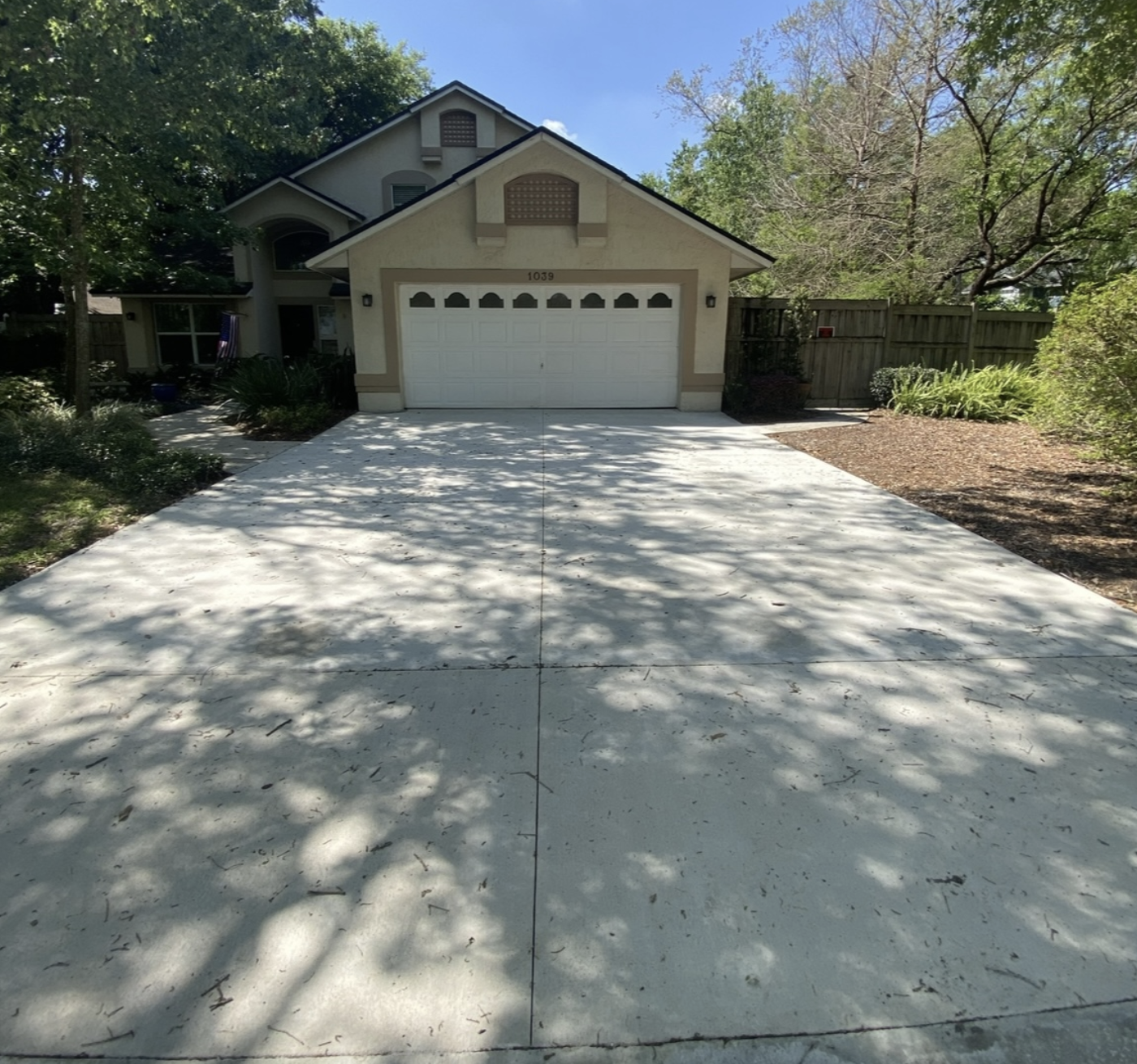
You can easily identify premium, quality concrete work by examining the precise structural details, surface uniformity, and layout symmetry. Amateur projects almost always display immediate visual and structural defects, such as rough edges, uneven planes, or surface discoloration. Professional installations feature perfectly straight form lines, completely level transitions, and neat, deeply grooved expansion cuts.
When you observe an elite crew on-site, their methodical workflow, pristine equipment, and strict safety measures instantly reveal their technical standards.
- Flawless Surface Consistency: The entire slab displays uniform coloration and texture without any noticeable pitting, honeycombed edges, or exposed coarse aggregates.
- Perfect Leveling and Grading: Water sheds cleanly away from structural foundations due to precise laser-guided slope calculations and slope execution.
- Crisp, Clean Control Joints: Expansion joints are cut straight, cleanly spaced, and deep enough to control natural shrinkage without ruining aesthetics.
- Robust Structural Reinforcement: Steel rebar or fiber mesh is visibly supported on chairs rather than lying uselessly at the bottom of the pour.
- Zero Immediate Cracking: The finished surface shows absolutely no hairline checking or spiderweb maps during the initial drying and hydration phases.
- Impeccable Site Clean-up: The surrounding landscape is protected, formwork is carefully stripped without chipping edges, and all construction debris is completely hauled away.
Where Can I Find a Concrete Contractor?
Locating a reputable local concrete company in the crowded market requires a strategic approach that prioritizes verified performance over the lowest bid. You should begin your search by cross-referencing high-authority trade directories and local Google Business Profiles, paying close attention to recent customer reviews and uploaded project photos. A legitimate contractor will have a physical office address in the Central Florida area and will be easily found through the Florida Department of Business and Professional Regulation (DBPR).
Do not rely solely on social media advertisements; instead, ask for physical addresses of past projects so you can inspect the aging of their quality concrete work in person. Reaching out to local building material suppliers can also provide “insider” leads, as they know which contractors consistently order high-grade mixes and pay their bills on time.
Questions to Ask Before Hiring a Concrete Contractor
Before signing any legal agreement, you must conduct a rigorous technical interview to expose any potential operational weaknesses or lack of specialized knowledge. Most project failures occur because homeowners fail to vet the contractor’s understanding of building codes and local soil conditions. A professional outfit will welcome these questions and provide detailed, technical answers regarding their equipment, crew size, and insurance coverage.
These questions act as your primary defense against predatory or unlicensed operators who vanish the moment a slab begins cracking and scaling.
- Can you provide a specific Florida license number and current proof of Workers’ Comp insurance? This is the most critical question to ensure you are not personally liable for on-site injuries or structural violations.
- What specific concrete mix design will you use for my specific load requirements? A pro should mention PSI ratings, fiber reinforcement, or chemical admixtures suited for high-heat environment.
- How do you plan to handle site preparation and subgrade compaction? Ensure they mention removing organic matter and using mechanical rammers to prevent future slab settlement or sinking.
- What is your process for managing permits and inspections with the local building department? The contractor should take full responsibility for the legal paperwork and engineer-stamped drawings required for the pour.
- Do you provide a written warranty against structural defects and surface scaling? A confident specialist will stand behind their work with a clear, written guarantee covering the integrity of the installation.
Residential vs. Commercial Concrete Services
The distinction between residential and commercial concrete services is defined by the scale of engineering, the thickness of the slabs, and the intensity of the projected weight loads. Residential projects, such as a residential driveway or backyard patio, focus heavily on aesthetics and managing standard passenger vehicle weights.
Conversely, commercial applications involve high-PSI mixes designed to support heavy machinery, constant semi-truck traffic, and rigorous municipal safety standards. Commercial contractors must also adhere to strict ADA compliance for ramps and walkways, requiring laser-guided precision that goes far beyond standard home improvement skills.
Understanding these differences ensures you hire a team with the correct heavy-duty equipment and structural expertise for your specific property type.
| Feature | Residential Concrete | Commercial Concrete |
| Typical PSI Strength | 3,000 – 3,500 PSI | 4,000 – 5,000+ PSI |
| Slab Thickness | 4 inches (Standard) | 6 to 12+ inches (Heavy Duty) |
| Reinforcement | Wire mesh or light rebar (#3) | Heavy rebar grids (#4 or #5) and structural fibers |
| Main Focus | Aesthetics, curb appeal, and drainage | Load-bearing capacity, durability, and code compliance |
| Permit Complexity | Standard municipal residential permits | Complex engineering, ADA, and environmental impact audits |
| Project Timelines | 3 to 7 days for completion | Weeks to months depending on phase-scheduling |
| Site Preparation | Basic grading and compaction | Deep soil stabilization, moisture barriers, and heavy aggregate bases |
| Finishing Priority | Decorative patterns and smooth textures | High-friction safety finishes and mechanical durability |
Conclusion
Partnering with an elite concrete enterprise ensures your property infrastructure stands resilient against Central Florida’s volatile climate conditions. Expert execution eliminates the structural vulnerabilities that typically cause premature deterioration, shifting foundations, and surface degradation. By prioritizing technical parameters like soil stabilization, customized chemical mixes, and precise curing, you protect your capital investment from expensive future repairs.
Investing in premium masonry services delivers a flawless aesthetic along with heavy-duty load-bearing capacity for your property assets. Professional operators handle every phase of compliance, structural engineering, and precise mechanical finishing with absolute transparency. This diligent approach eliminates the common failures of cracking and scaling that consistently ruin cut-rate, amateur installations.
FAQS
Do heavy rainstorms damage fresh concrete pours?
Torrential downpours disrupt the cement-to-water ratio if rain hits before the initial set occurs within the first few hours. Elite crews closely monitor weather radars and utilize heavy-duty plastic sheeting to completely shelter the vulnerable surface from moisture indentation.
Can structural slabs be poured directly over old cracked concrete?
Pouring a fresh layer directly over an unstable, fracturing slab causes reflective cracking to transfer straight up into the new surface. True structural longevity requires breaking up, hauling away, and completely re-engineering the subgrade layer before pouring new material.
Which specific sealant type handles the Central Florida climate best?
Siloxane or silane-based penetrating sealants offer superior protection by chemically bonding inside the concrete pores to block heavy moisture infiltration. Unlike topical acrylic coatings, these advanced penetrating agents will not peel, bubble, or yellow when exposed to intense subtropical UV rays.
How close to mature oak tree roots can a driveway be installed safely?
Slabs placed within the active root zones of mature trees risk severe structural lifting and cracking as the root systems naturally expand over time. Installing thick physical root barriers and expanding aggregate sub-base depth protects the concrete edges from future subterranean pressure.
Why does some fresh concrete turn white or chalky after drying?
This cosmetic defect, known as efflorescence, happens when migrating moisture brings soluble internal salts up to the surface during evaporation. It represents a temporary surface crystallization that can be safely scrubbed away without indicating any underlying structural failure or PSI deficit.
Professional Concrete Services in Orlando, FL
Accu-Krete provides reliable concrete installation, repair, decorative concrete, patios, driveways, and sidewalk solutions for homeowners and businesses across Orlando and nearby areas.