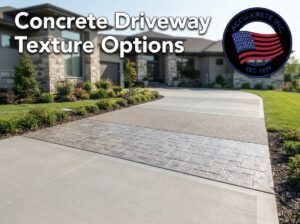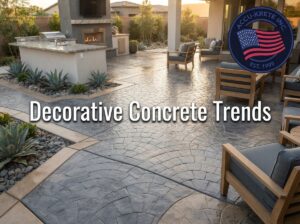
Adding color to concrete is one of the most effective ways to transform a dull, gray surface into a vibrant and professional-looking feature of your home. Whether you are planning a new patio, driveway, or interior floor, the choice of how to introduce color is a critical step in the design process. Two of the most common methods are integral color and concrete stain. Integral color is a technique where pigments are mixed directly into the concrete batch before it is poured, ensuring the color runs through the entire thickness of the material.
In contrast, concrete stain is a surface-applied treatment that reacts with the chemistry of the cured concrete or forms a thin, pigmented layer on top. Understanding the fundamental differences in application, durability, and visual effect between these two options is essential for homeowners who want to achieve the perfect finish. This guide will help you weigh the benefits of each, ensuring that your final choice provides both lasting beauty and the specific aesthetic you desire.
Integral Color vs. Concrete Stain
The core difference between integral color and concrete stain lies in when and how the pigment is applied to the concrete. Integral color provides a consistent, muted, and permanent base tone because it is mixed into the wet concrete during the delivery process, making it ideal for large-scale projects where uniformity is a priority. Concrete stain, however, is applied after the concrete has already cured, offering a wider range of artistic possibilities, such as marbled effects, deeper saturation, and layered colors that can mimic expensive stone.
While integral color is more resistant to wear because the color goes through the entire slab, stain is better suited for decorative enhancements and renovations of existing surfaces. Deciding between them depends on whether you prefer the subtle, uniform look of a dyed mix or the rich, textured, and custom aesthetic that surface staining provides to a finished concrete project.
The Science and Benefits of Integral Color
Integral color is designed for long-term consistency, as it colors the entire cross-section of the concrete slab. Because the pigment is dispersed throughout the mix during the batching process, even if the concrete surface experiences minor chips or abrasions, the color underneath remains identical to the surface.
The application process is relatively simple because the color is part of the original pour, eliminating the need for extra steps once the concrete is set. However, because it is mixed into the concrete, the color palette is typically limited to earth tones and soft pastels, which provide a very natural and subtle appearance that blends well with almost any surrounding architecture or landscaping design.
Exploring the Artistic Potential of Concrete Stains
- Concrete stains offer a level of artistic freedom that integral colors simply cannot match, allowing for a diverse range of colors and complex, multi-tonal finishes.
- These stains work by penetrating the pores of the concrete surface, creating a permanent chemical bond that can produce unique, translucent effects similar to stained wood or polished stone.
- Because the stain is applied to the surface, you can layer different colors or use stencils and masking techniques to create logos, borders, and intricate patterns that personalize your space.
- Stains are an excellent choice for renovating an existing, plain gray driveway or patio, as they can revitalize old concrete without the need for a total replacement.
- While they require careful surface preparation and regular sealing to maintain their vibrancy, the result is a one-of-a-kind surface that serves as a beautiful design statement for your home.
Durability and Maintenance Considerations
The long-term maintenance of your colored concrete depends heavily on the method chosen and the level of foot or vehicle traffic the area will receive. Integral color is highly durable and requires very little maintenance other than standard cleaning and periodic sealing to protect against environmental contaminants.
Because the color is intrinsic to the slab, you never have to worry about the pigment wearing off in high-traffic walking paths or driving areas. Concrete stains, however, require a more disciplined approach to maintenance, as the decorative layer is on the surface and can be affected by UV exposure and heavy abrasion over time.
Pigment Depth and Longevity
Integral colors extend through the entire slab, ensuring that even deep scratches are not immediately noticeable as a different color. This depth makes it ideal for exterior use where surface wear is inevitable and difficult to prevent through routine care.
Artistic Layers and Customization
Stains can be layered and blended to create incredibly detailed designs, such as stone-look patterns or abstract art. This flexibility is perfect for homeowners who want their concrete floor or patio to reflect a specific, high-end decorative vision.
Site Preparation Requirements
For integral color, the site must be ready for a fresh pour, as the color is part of the batching process. Concrete staining, on the other hand, requires an existing, clean, and cured slab, making it the perfect upgrade for an older driveway.
Environmental Impact and Safety
Both methods are generally safe when used correctly, but it is important to follow manufacturer guidelines regarding application and drying times. Professional installers are best equipped to manage the chemicals used in staining to ensure a safe and effective finish.
Weather and UV Resistance
Integral color is highly resistant to fading because the pigment is protected within the concrete matrix. Stained concrete requires specialized, UV-blocking sealers to prevent the sun from breaking down the surface dyes and causing the colors to lose their intensity.
Professional vs. DIY Suitability
Integral color must be managed by the concrete supplier and the pouring crew, while staining is sometimes attempted as a DIY project. However, achieving professional results with stains requires significant skill, making professional assistance highly recommended for both methods.
Achieving the Perfect Visual Finish
- Choosing between integral color and stain often comes down to the final “look” you want to achieve for your property.
- Integral color produces a very clean, uniform, and architectural finish that looks like natural, colored rock or refined earth.
- It is perfect for those who want a sophisticated base that doesn’t distract from the rest of their home design. Stained concrete is much more expressive, often showcasing variations, swirls, and color shifts that make each project completely unique.
- This variability is part of the charm of staining, but it requires an appreciation for a more rustic, textured appearance.
- By looking at samples and discussing your goals with a professional, you can determine which approach best matches the style of your home, ensuring that the finished surface complements your architecture perfectly.
Comparison Table: Integral Color vs. Concrete Stain
| Feature | Integral Color | Concrete Stain |
| Application Time | During the initial pour | After concrete has cured |
| Color Depth | Through the entire slab | Surface-level penetration |
| Visual Style | Uniform, muted, natural | Variegated, rich, custom |
| Durability | High (Wear-resistant) | Moderate (Requires sealing) |
| Maintenance | Low | Moderate (Regular re-sealing) |
| Project Type | New installations only | New or existing slabs |
| Color Variety | Limited (Earth tones) | High (Vibrant and layered) |
| Repair | Color is permanent | Re-stain if surface wears |
| Cost | Mid-range | Low to high (Depends on detail) |
| Best Use | Driveways, large patios | Decorative floors, renovations |
Strategic Planning for Long-Term Beauty
Proper planning is the key to ensuring that your colored concrete remains a beautiful part of your home for many years. Start by evaluating the condition of your concrete and the primary function of the space—whether it is a high-traffic driveway or an indoor room. If you are starting from scratch with a new pour, integral color offers an efficient and durable foundation that sets the tone for your outdoor space.
If you are looking to revitalize an existing area, staining provides the best way to add personality and color without the cost of demolition and replacement. Regardless of the path you choose, always prioritize the final sealing step, as it is the critical barrier that protects your color investment from moisture, oil, and UV rays. Working with experienced contractors who specialize in these techniques ensures the best results and the most reliable long-term performance for your property.
Managing Project Expectations
Always review multiple color samples and understand that concrete is a natural product, meaning colors may vary slightly from the swatch. This variation is a part of concrete’s beauty and should be expected in any colored project.
The Role of High-Quality Sealers
The sealer is the “skin” of your concrete project, protecting the color from water and wear. Using a professional-grade, breathable sealer helps keep moisture out while allowing the concrete to release any internal vapor, preventing blistering.
Seasonal Care for Colored Surfaces
In colder climates, ensure your colored surfaces are cleared of snow without using harsh chemicals. Regular cleaning with gentle soaps keeps the surface free of grit, which can act like sandpaper on your colored finish over time.
Addressing Surface Imperfections
Before staining an existing slab, all cracks and blemishes must be repaired to ensure an even finish. Stains tend to highlight imperfections, so surface prep is the most important step in the entire decorative process.
Considering Future Additions
If you plan to add a second patio or an extension later, think about how your colors will match in the future. Integral color is easier to match across different batches if the same supplier is used for the entire project.
Professional Consultation Advice
Ask your installer about their experience with specific pigment brands and stain types. A good contractor will have a portfolio of past projects, allowing you to see how their work has held up to weather and use over several years.
The Financial Value of Colored Concrete
- Adding color to your concrete is one of the most cost-effective ways to increase the perceived value and attractiveness of your home.
- A plain gray driveway can look standard and uninspired, but a well-colored, textured surface signals care and attention to detail, which potential buyers often notice.
- While staining might involve more maintenance, the ability to create unique, high-end looks at a lower price than natural stone makes it an incredible value for interior or patio spaces.
- Integral color is a smart, low-maintenance investment that pays for itself through its longevity and resistance to fading.
- Ultimately, both methods offer a fantastic return on investment by protecting your property’s value and enhancing your own enjoyment of your outdoor or indoor living areas.
Conclusion
The choice between integral color and concrete stain depends on your specific goals, your budget, and the current state of your concrete surfaces. Integral color is the superior choice for those who prioritize long-term durability and a clean, consistent look, especially in new construction projects where the entire slab can be colored at once. Concrete stain, on the other hand, is the ultimate tool for customization and renovation, allowing for vibrant, multi-layered designs that can make even an old slab look like a new work of art.
Both techniques require professional installation and a commitment to quality sealing to keep your project looking its best over the years. By evaluating the depth of color you need and the maintenance level you are willing to accept, you can choose the method that best aligns with your lifestyle. Regardless of the path you take, colored concrete transforms a simple building material into a signature feature of your home that adds both beauty and value for a lifetime.
FAQs
1. Can I use integral color and stain together?
Yes, many decorative concrete projects combine both. You can use integral color as a base for a uniform look and then apply a light stain on top to add depth, shadows, and a more natural, multi-tonal aesthetic.
2. Which method is better for a driveway?
Integral color is generally preferred for driveways because it is more resistant to the heavy traffic and surface abrasion that vehicles cause. The color goes through the slab, so it will not wear off in tire tracks.
3. Does concrete stain chip away like paint?
No, a high-quality concrete stain penetrates the surface and bonds chemically, so it will not peel or chip like paint. However, the color can fade or wear down if the surface is neglected and not properly sealed.
4. How often do I need to re-seal my colored concrete?
For most projects, re-sealing every one to three years is recommended, depending on your climate and the amount of foot traffic. High-traffic areas like driveways may require more frequent maintenance than patio spaces.
5. Is one method more expensive than the other?
Costs vary widely depending on the complexity of the project. Integral color is usually a fixed fee per cubic yard, while staining costs are based on labor and the number of layers or colors required to achieve your design.
6. Can I stain a driveway that has integral color?
Absolutely. Many people choose to add a surface stain to an integrally colored slab to add highlights, antique effects, or patterns that make the driveway stand out and provide a more complex, stone-like appearance.
7. Does the color of the concrete change when it dries?
Yes, concrete color often looks very different when it is wet compared to when it is fully cured and dry. Always wait for the concrete to cure completely before assessing the final color or applying a sealer.
8. Are these methods eco-friendly?
Most modern pigments and stains are water-based and low-VOC, making them much safer than the chemicals used in the past. Always check the specific product label to ensure it meets environmental standards if that is a concern.
9. Can I hide cracks with integral color or stain?
Integral color makes a slab look more uniform, which might make minor cracks slightly less visible, but neither method will hide them. Staining, in particular, can sometimes highlight cracks if they are not properly filled and sanded first.
10. Do I need a professional for both?
While you could attempt a small staining project, professional installation is strongly advised for both methods. Getting the color ratios correct for integral pigment or achieving a consistent stain application requires training and specific tools.
Professional Concrete Services in Orlando, FL
Accu-Krete provides reliable concrete installation, repair, decorative concrete, patios, driveways, and sidewalk solutions for homeowners and businesses across Orlando and nearby areas.