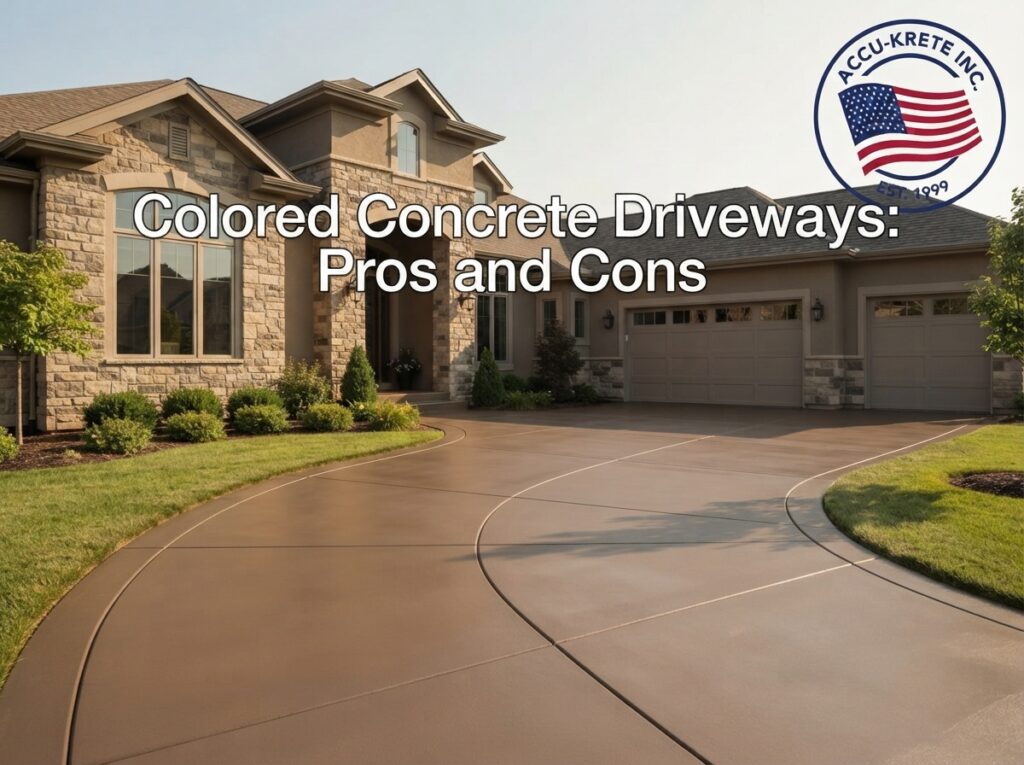
Colored concrete driveways are becoming a popular choice for homeowners who want an attractive and durable driveway. Instead of plain gray concrete, colored concrete adds beauty and style to your home’s exterior. Many people are curious about whether colored concrete is worth the extra cost and effort. It offers several advantages but also comes with some drawbacks. Understanding the pros and cons helps you make a smart decision for your property. This article explains everything in simple and easy words.
Whether you are building a new driveway or renovating an old one, knowing about colored concrete is very useful. Making the right choice can improve both the look and value of your home.Understanding the pros and cons of colored concrete driveways helps you decide if they are right for your home. They can last many years with proper care but require more attention than plain concrete. Weighing the advantages and disadvantages is important before making a final decision.
Colored Concrete Driveways: Pros and Cons
Colored concrete driveways are made by adding special color pigments to the concrete mix or applying color on the surface. They provide a beautiful alternative to standard gray concrete. Many homeowners like them because they enhance curb appeal and match home designs nicely. However, they also have some downsides like higher cost and maintenance needs. Understanding the pros and cons of colored concrete driveways helps you decide if they are right for your home.
They can last many years with proper care but require more attention than plain concrete. Weighing the advantages and disadvantages is important before making a final decision. Understanding the pros and cons of colored concrete driveways helps you decide if they are right for your home. They can last many years with proper care but require more attention than plain concrete. Weighing the advantages and disadvantages is important before making a final decision.
What Are Colored Concrete Driveways?
Colored concrete driveways are created by mixing color pigments into wet concrete or applying stains and dyes after it hardens. This process gives the concrete a wide range of attractive colors and patterns. You can choose from subtle earth tones or bold modern colors. Some designs even imitate the look of stone or brick. Colored concrete is strong and durable like regular concrete but looks much more decorative.
It is a versatile option for both new and existing driveways. Many people use it to create a unique and stylish entrance to their home. Understanding the pros and cons of colored concrete driveways helps you decide if they are right for your home. They can last many years with proper care but require more attention than plain concrete. Weighing the advantages and disadvantages is important before making a final decision.
Advantages of Colored Concrete Driveways
- Colored concrete driveways offer excellent visual appeal and can increase your home’s curb appeal significantly.
- They are highly durable and can withstand heavy vehicle traffic.
- Unlike asphalt, colored concrete does not fade quickly and resists oil stains better.
- You can customize the color and pattern according to your preference.
- It also reflects heat better than dark asphalt, keeping the surface cooler.
- These advantages make colored concrete a popular premium choice for driveways.
- Understanding the pros and cons of colored concrete driveways helps you decide if they are right for your home.
- They can last many years with proper care but require more attention than plain concrete.
- Weighing the advantages and disadvantages is important before making a final decision.
Disadvantages of Colored Concrete Driveways
One major disadvantage is the higher initial cost compared to plain concrete or asphalt. Colored concrete can show wear and fading over time if not sealed properly. It may develop cracks in extreme weather conditions. Maintenance requires regular sealing to keep the color looking fresh. Repairing colored concrete is more difficult and expensive than plain concrete. These drawbacks should be considered before choosing colored concrete for your driveway.
Cost Comparison and Value
Colored concrete driveways usually cost more upfront than standard concrete or asphalt. However, they can add value to your property due to their attractive appearance. The long-term cost depends on maintenance and durability in your climate. Many homeowners find that the extra beauty is worth the investment. Proper planning and quality installation help maximize value. Understanding the full cost picture is important for good decision making.
Installation Process of Colored Concrete Driveways
Understanding the pros and cons of colored concrete driveways helps you decide if they are right for your home. They can last many years with proper care but require more attention than plain concrete. Weighing the advantages and disadvantages is important before making a final decision.
Understanding the pros and cons of colored concrete driveways helps you decide if they are right for your home. They can last many years with proper care but require more attention than plain concrete. Weighing the advantages and disadvantages is important before making a final decision.
Preparing the Site
Proper site preparation is very important for a successful colored concrete driveway. The ground must be leveled and compacted well. Remove old materials and ensure good drainage. Good base preparation prevents future cracking and settling problems. Taking time at this stage ensures a strong and long-lasting driveway.
Mixing and Pouring Colored Concrete
Color pigments are added to the concrete mix or applied during pouring. The concrete is then poured and leveled carefully. Proper mixing ensures even color throughout the driveway. Good pouring techniques create a smooth and attractive finish. Attention to detail during this stage affects the final look.
Finishing and Coloring Techniques
Several techniques like stamping, staining, or integral coloring can be used. Each method creates different textures and appearances. The surface is finished to achieve the desired pattern and color. Good finishing work gives a professional and beautiful result. Choosing the right technique depends on your style preference.
Sealing and Protection
Applying a good quality sealer protects the color and makes cleaning easier. Sealing should be done after the concrete fully cures. Regular resealing maintains the vibrant look of the driveway. Proper sealing increases durability and resistance to stains. This step is essential for long-term beauty.
Common Installation Mistakes
Rushing the curing process or using poor quality materials often causes problems. Incorrect color mixing can lead to uneven appearance. Bad base preparation leads to cracking later. Avoiding these mistakes ensures a high-quality driveway. Working with experienced installers reduces installation errors.
Maintenance Tips for Colored Concrete
Regular cleaning and resealing keep colored concrete looking new. Use gentle cleaners and avoid harsh chemicals. Address cracks and stains quickly to prevent bigger issues. Good maintenance habits extend the life and beauty of your driveway. Consistent care is key to long-term satisfaction.
Pros and Cons Comparison Table: Colored Concrete Driveways
| Aspect | Pros | Cons | Overall Consideration |
| Appearance | Highly attractive and customizable | Can fade over time if not sealed | Excellent visual appeal |
| Durability | Very strong and long-lasting | May crack in extreme weather | Good with proper installation |
| Initial Cost | Higher than plain options | More expensive upfront | Worth it for premium look |
| Maintenance | Easy to clean when sealed | Requires regular sealing | Moderate maintenance needed |
| Heat Reflection | Better heat reflection than asphalt | Can still get hot in summer | More comfortable than dark surfaces |
| Property Value | Increases curb appeal and value | Higher installation cost | Good long-term investment |
| Repair Difficulty | Professional finish possible | Repairs are more noticeable and costly | More challenging than plain concrete |
| Color Options | Wide variety of colors and patterns | Color matching during repairs is difficult | High design flexibility |
| Lifespan | Can last 20+ years with care | May need more attention than plain concrete | Long lifespan possible |
| Stain Resistance | Better than plain concrete | Still susceptible to oil and tire marks | Good with proper sealing |
| Installation Time | Can create beautiful results | Takes longer than plain concrete | Requires skilled installers |
| Environmental Impact | Can use recycled materials | Production process is energy intensive | Moderate environmental factors |
How to Choose the Right Color for Your Driveway
Choose colors that complement your home’s exterior and landscaping. Lighter colors stay cooler in hot weather while darker colors hide stains better. Consider the overall style of your neighborhood. Test small samples before making a final choice. Good color selection enhances your home’s appearance. Taking time to choose wisely leads to better satisfaction.
Understanding the pros and cons of colored concrete driveways helps you decide if they are right for your home. They can last many years with proper care but require more attention than plain concrete. Weighing the advantages and disadvantages is important before making a final decision.
Comparing Colored Concrete with Other Driveway Materials
Colored concrete offers better durability than asphalt but costs more. It looks more premium than plain concrete. Pavers give more design options but require more maintenance. Each material has its own strengths and weaknesses. Colored concrete is a balanced choice for many homeowners. Understanding comparisons helps you make the best decision.
Long-Term Performance of Colored Concrete
With proper installation and maintenance, colored concrete performs very well over many years. It maintains its strength and appearance with regular care. Many homeowners are satisfied with its long-term performance. Good planning leads to excellent results for decades. Long-term thinking is important when choosing driveway materials.
Common Problems and Solutions
Fading color, surface cracking, and efflorescence are common issues. Using high-quality materials and proper sealing solves most problems. Addressing issues early prevents bigger repairs. Good maintenance practices minimize common problems. Knowing potential issues helps you prepare better.
Eco-Friendly Options for Colored Concrete
Some colored concrete uses recycled materials and low-VOC sealers. Permeable colored concrete allows water drainage and reduces runoff. These options are better for the environment. Choosing eco-friendly products shows responsible decision making. Green options are becoming more popular.
Future Trends in Colored Concrete Driveways
- New technologies are making colored concrete more durable and easier to maintain.
- Innovative patterns and colors are becoming available. Smart sealers and protective coatings are improving performance.
- The future looks promising for colored concrete options.
- Staying updated helps you choose modern solutions.
- Understanding the pros and cons of colored concrete driveways helps you decide if they are right for your home.
- They can last many years with proper care but require more attention than plain concrete.
- Weighing the advantages and disadvantages is important before making a final decision.
- With proper installation and regular care, colored concrete can last many years and enhance your property.
- Consider your budget, lifestyle, and long-term goals before choosing.
- Colored concrete driveways can be an excellent investment when chosen wisely.
- Taking time to weigh all factors leads to greater satisfaction with your final driveway.
Conclusion
Colored concrete driveways offer a beautiful and durable option for homeowners who want something better than plain concrete. While they have clear advantages in appearance and value, they also come with higher costs and maintenance requirements. Understanding the pros and cons helps you make an informed decision.
With proper installation and regular care, colored concrete can last many years and enhance your property. Consider your budget, lifestyle, and long-term goals before choosing. Colored concrete driveways can be an excellent investment when chosen wisely. Taking time to weigh all factors leads to greater satisfaction with your final driveway.
FAQs
1. Are colored concrete driveways more expensive than plain concrete?
Yes, colored concrete usually costs more due to pigments and special finishing. The price difference depends on design complexity. However, many homeowners feel the extra beauty is worth the investment. Proper planning helps manage the budget effectively.
2. How long do colored concrete driveways last?
With good installation and maintenance, they can last 20 to 30 years or more. Regular sealing helps maintain color and durability. Proper care significantly extends their lifespan. They are a long-term driveway solution.
3. Do colored concrete driveways fade over time?
Yes, they can fade if not sealed regularly. High-quality sealers slow down the fading process. Choosing good pigments also helps maintain color longer. Proper maintenance is key to lasting color.
4. Is colored concrete slippery when wet?
It can be slippery if the surface is very smooth. Textured or stamped finishes provide better traction. Proper finishing techniques reduce slipperiness. Safety should be considered during installation.
5. Can I install colored concrete over an existing driveway?
In some cases, a thin overlay of colored concrete can be applied. However, the base must be in good condition. Professional assessment is recommended before overlaying. Proper preparation ensures good results.
6. How do I maintain the color of my concrete driveway?
Regular cleaning and resealing every 2 to 3 years is important. Use gentle cleaners and avoid harsh chemicals. Quick stain removal prevents permanent marks. Good maintenance keeps the driveway looking fresh.
7. Are colored concrete driveways environmentally friendly?
They can be when using recycled materials and low-impact sealers. Permeable options help with water management. Many eco-friendly choices are now available. Responsible selection reduces environmental impact.
8. Can colored concrete crack easily?
Like all concrete, it can crack if the base is not prepared well. Proper installation and control joints reduce cracking. Good maintenance also helps prevent cracks. Quality work minimizes this issue.
9. Which colors are best for driveways?
Earth tones and grays are popular because they hide dirt well. Lighter colors stay cooler in summer. Choose colors that match your home exterior. Testing samples is the best way to decide.
10. Is it easy to repair colored concrete driveways?
Repairs can be more challenging because color matching is difficult. Small cracks can be fixed relatively easily. Larger repairs may need professional help. Good initial installation reduces repair needs.
Professional Concrete Services in Orlando, FL
Accu-Krete provides reliable concrete installation, repair, decorative concrete, patios, driveways, and sidewalk solutions for homeowners and businesses across Orlando and nearby areas.