A well-designed patio can completely upgrade your backyard by turning it into a comfortable and usable outdoor living space. Whether you’re planning a spot for family get-togethers, outdoor dining, or simply relaxing after a long day, choosing the right patio material makes a big difference. Two common choices homeowners compare are a regular concrete patio and a stamped concrete patio, both known for strength and long-lasting performance.
Although both options use the same concrete base, they differ mainly in style, cost, and finish. A regular concrete patio is simple, practical, and more budget-friendly, making it a solid choice for basic needs. In contrast, a stamped concrete patio offers decorative patterns and textures that mimic stone, brick, or tile, giving your outdoor space a more stylish and customized look. Understanding these differences helps you choose the option that fits both your budget and design goals.
What Is a Regular Concrete Patio?
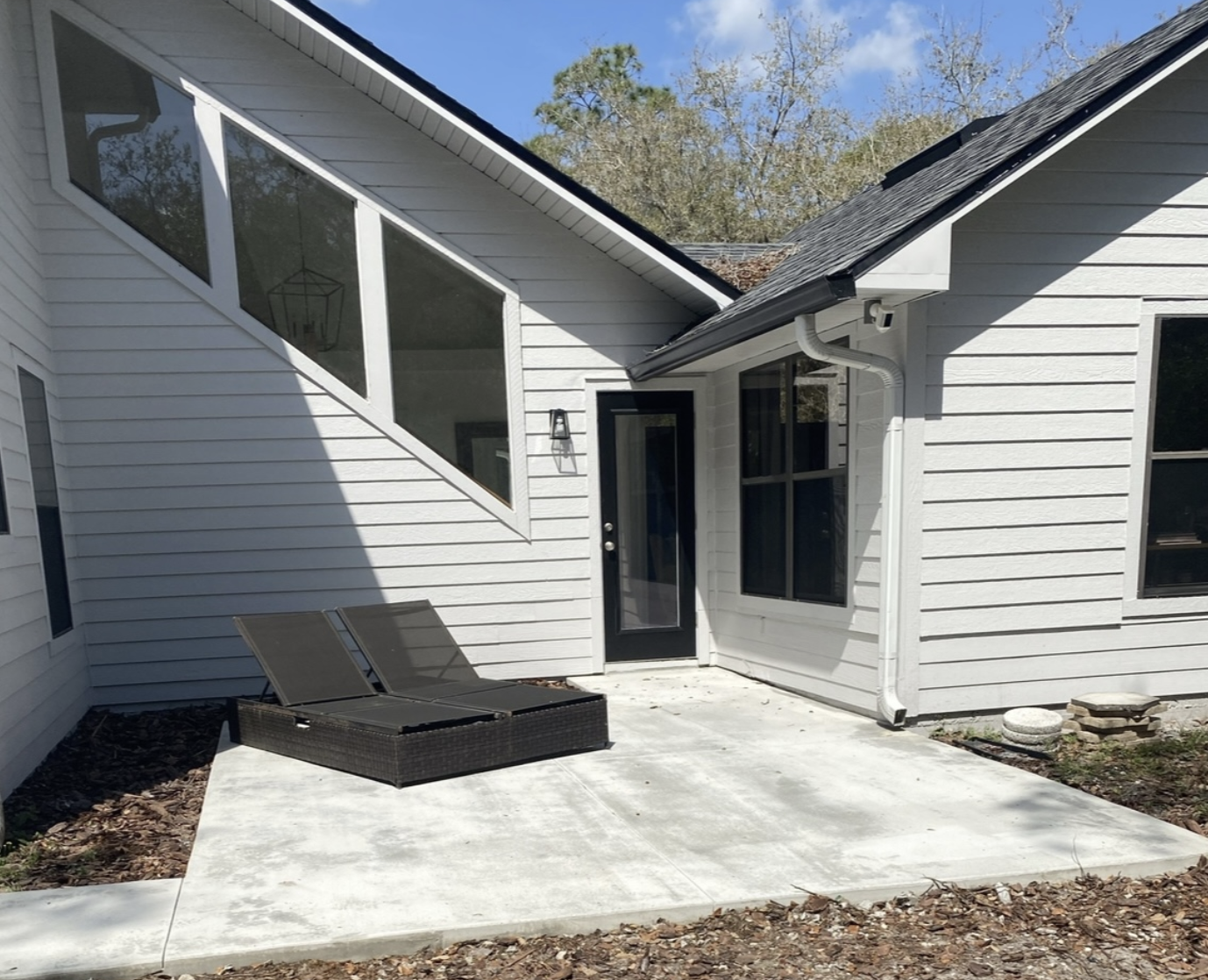
A regular concrete patio is a solid slab of poured concrete finished with a smooth, broom, or lightly textured surface. It is one of the most commonly installed patio types because it provides a strong, reliable, and cost-effective outdoor surface.
Once the concrete is poured, leveled, and cured, it creates a durable foundation that can handle daily use and various weather conditions. Homeowners often choose a plain concrete patio because it combines functionality with affordability.
Although it does not offer the decorative appearance of premium materials such as natural stone or brick, it provides excellent value and long-term durability. Regular concrete patios can also be customized with stains, scoring, borders, and colored finishes to create a more attractive appearance without significantly increasing costs.
Pros and Cons of a Regular Concrete Patio
A regular concrete patio offers several practical benefits that make it a popular choice for residential properties. However, like any outdoor material, it also has a few limitations that homeowners should consider before making a final decision.
Pros
- Lower installation cost compared to decorative patio materials.
- Excellent durability and structural strength.
- Minimal maintenance requirements.
- Long lifespan when properly installed.
- Resistant to insects, rot, and moisture damage.
- Suitable for outdoor kitchens, seating areas, and walkways.
- Can be enhanced with stains and decorative finishes.
- Easy to clean and maintain.
Cons
- Plain appearance compared to decorative options.
- Can develop cracks due to settling or temperature changes.
- Limited texture and design variety.
- Surface discoloration may occur over time.
- Repairs can be noticeable.
- May absorb and retain heat during hot weather.
- Offers less visual impact than stamped concrete.
What Is a Stamped Concrete Patio?
A stamped concrete patio is a decorative concrete surface designed to mimic the appearance of natural stone, slate, brick, tile, cobblestone, or even wood. During installation, specialized stamping mats are pressed into freshly poured concrete to create realistic textures and patterns.
Color additives are often used to further enhance the finished appearance and create a premium look. This patio option has become increasingly popular among homeowners who want the beauty of expensive paving materials without the higher installation costs associated with natural stone or custom pavers.
Stamped concrete provides a combination of strength, versatility, and visual appeal, making it a popular choice for modern outdoor living spaces.
Stamped Concrete Patterns and Designs
One of the biggest reasons homeowners choose stamped concrete is the nearly endless variety of patterns, textures, and colors available. These decorative options allow property owners to create a customized patio design that complements their home’s architecture, landscaping, and personal style preferences.
Popular Stamped Concrete Patterns
- Ashlar slate pattern
- Flagstone pattern
- Cobblestone pattern
- Brick pattern
- Wood plank pattern
- European fan pattern
- Travertine-inspired texture
- Seamless stone finish
Popular Design Enhancements
- Decorative borders
- Contrasting color accents
- Multi-tone coloring systems
- Antique release finishes
- Textured surface effects
- Custom geometric layouts
- Integrated outdoor design features
- Decorative scoring details
Pros and Cons of Stamped Concrete
Stamped concrete offers exceptional visual appeal and design flexibility. However, its decorative features also come with additional costs and maintenance requirements that homeowners should evaluate before installation.
Pros
- Mimics high-end materials at a lower cost.
- Enhances curb appeal and outdoor aesthetics.
- Wide range of colors and patterns available.
- Highly customizable design options.
- Durable and long-lasting surface.
- Fewer weed issues compared to pavers.
- Creates a luxury appearance without natural stone costs.
- Complements many architectural styles.
Cons
- Higher installation costs than plain concrete.
- Requires regular sealing to maintain appearance.
- Colors may fade over time.
- Repairs can be difficult to blend.
- Professional installation is usually necessary.
- Surface may become slippery when wet.
Concrete Patio vs Stamped Concrete Patio: Head-to-Head Comparison
Choosing between a regular concrete patio and a stamped concrete patio often depends on your priorities, budget, and design goals. While both options provide a durable outdoor surface, they differ significantly in appearance, maintenance requirements, installation complexity, and overall value.
Comparing them side by side makes it easier to identify which option aligns best with your needs. A plain concrete patio is generally preferred by homeowners seeking affordability and practicality, while stamped concrete appeals to those who want a more decorative and upscale outdoor environment.
Evaluating factors such as cost, aesthetics, durability, and maintenance can help determine which patio type offers the greatest long-term satisfaction.
Cost Comparison: Plain Concrete vs Stamped Concrete
Cost is often one of the biggest factors when deciding between a regular concrete patio and a stamped concrete patio. Plain concrete is generally the more affordable option because it requires less labor, fewer materials, and a simpler installation process.
Stamped concrete costs more due to the additional steps involved, including coloring, pattern stamping, texturing, and sealing. However, the higher investment can provide greater visual appeal and a more premium outdoor living space.
| Factor | Plain Concrete Patio | Stamped Concrete Patio |
| Initial Installation Cost | Lower | Higher |
| Labor Requirements | Minimal | High |
| Material Costs | Lower | Higher |
| Design Options | Basic | Extensive |
| Customization Level | Limited | Highly Customizable |
| Maintenance Costs | Low | Moderate |
| Sealing Requirements | Optional in some cases | Recommended Regularly |
| Repair Costs | Generally Lower | Usually Higher |
| Visual Appeal | Simple and Functional | Decorative and Premium |
Which Option Works Best in Your Climate?
Your local climate can have a significant impact on the performance, appearance, and lifespan of your patio. Factors such as freezing temperatures, heavy rainfall, intense sunlight, and seasonal temperature changes can affect concrete differently over time.
Understanding how plain concrete and stamped concrete respond to these conditions can help you choose the option that offers the best durability and value for your environment.
Cold Climates and Freeze-Thaw Cycles
In cold regions, patios face repeated exposure to snow, ice, and freeze-thaw cycles that can gradually stress the concrete surface. When moisture enters small pores or cracks and freezes, it expands and creates internal pressure, which may lead to cracking, scaling, or surface wear over time. Proper drainage, correct installation, and regular sealing are essential to reduce winter-related damage and extend the patio’s lifespan.
Hot and Dry Climates
Hot and dry climates expose patios to strong sunlight, high temperatures, and constant UV radiation, which can cause gradual expansion and contraction of the concrete surface. Over time, this may lead to minor surface cracking or fading, especially in decorative or colored finishes. With proper care, such as sealing and maintenance, both plain and stamped concrete patios can remain durable and visually appealing in hot weather conditions.
Which Patio Option Is Right for You?
The best patio choice ultimately depends on your budget, design preferences, maintenance expectations, and how you plan to use your outdoor space. While both options offer durability and long-lasting performance, they appeal to different homeowner priorities.
Evaluating your goals carefully can help ensure you select a patio that delivers the right balance of function, appearance, and value.
Choose a Plain Concrete Patio
A plain concrete patio is a strong choice for homeowners who prioritize affordability, simplicity, and low maintenance. It provides a clean and functional outdoor surface that works well for patios, seating areas, outdoor kitchens, and other backyard living spaces. Because installation costs are generally lower, it is often the preferred option for larger projects or homeowners working within a specific budget.
This option is also ideal for those who value practicality over decorative features. While its appearance is more basic than stamped concrete, a plain concrete patio still offers excellent durability and can be enhanced with outdoor furniture, landscaping, or decorative borders.
Choose Stamped Concrete
Stamped concrete is best suited for homeowners who want their patio to make a visual statement. Its ability to replicate natural stone, brick, slate, and wood allows it to create a premium appearance without the higher cost of installing those materials. The wide variety of patterns, textures, and color combinations makes it easy to customize the patio to complement the style of the home.
Homeowners who frequently entertain guests or want to create a high-end outdoor living area often find stamped concrete to be a worthwhile investment. Although it requires a higher upfront cost and occasional resealing, the enhanced curb appeal and decorative value can significantly improve the overall look and enjoyment of an outdoor space.
Conclusion
Choosing between a plain concrete patio and a stamped concrete patio ultimately depends on your budget, design goals, and long-term expectations. Plain concrete is a practical and cost-effective solution that offers strong durability, easy maintenance, and reliable performance for everyday outdoor use. It is especially suitable for homeowners who prioritize functionality and want a simple, long-lasting patio without additional decorative expenses.
Stamped concrete, on the other hand, is ideal for those who want to enhance the visual appeal of their outdoor space. It offers the look of premium materials like stone, brick, or wood while maintaining the strength of concrete. Although it requires a higher initial investment and occasional resealing, its aesthetic value and customization options make it a popular choice for homeowners looking to upgrade their outdoor living experience.
Frequently Asked Questions
Is stamped concrete more expensive than regular concrete?
Yes, stamped concrete is generally more expensive due to additional labor, coloring, and stamping work. The decorative process increases both installation time and material costs.
How long does a stamped concrete patio last?
A well-installed and properly maintained stamped concrete patio can last 25 to 30 years or more. Regular sealing and proper drainage help extend its lifespan.
Does stamped concrete crack easily?
Stamped concrete does not crack easily when installed correctly, but minor cracks can still occur over time due to ground movement or weather changes. Control joints help minimize visible cracking.
Can you stamp existing concrete?
Yes, but it depends on the condition of the existing slab. The surface must be in good shape, and often a thin overlay is applied before stamping for best results.
Is stamped concrete cheaper than a patio?
Stamped concrete is still a type of patio, but compared to natural stone or brick patios, it is usually more affordable. However, it is more expensive than plain concrete patios.
How often does stamped concrete need to be resealed?
Stamped concrete typically needs resealing every 2 to 3 years. This helps protect color, maintain shine, and prevent moisture damage.
Professional Concrete Services in Orlando, FL
Accu-Krete provides reliable concrete installation, repair, decorative concrete, patios, driveways, and sidewalk solutions for homeowners and businesses across Orlando and nearby areas.