
Upgrading your property with a new concrete installation can greatly improve how functional your home is. However, if you skip getting the proper HOA concrete project approval beforehand, what starts as an exciting home improvement can quickly turn into a costly legal problem. Homeowners Associations keep a close eye on any exterior changes to make sure that all structural upgrades stay safe, consistent, and well-built. Dealing with these rules takes more than just picking a design — you need a solid understanding of your local community’s specific submission and construction standards before you even touch the ground.
Every structural addition or change must line up with the community’s Covenants, Conditions, and Restrictions (CC&Rs) to keep the neighborhood looking uniform and to protect long-term property values. For homeowners planning any kind of renovation — whether it’s a small backyard upgrade or a full driveway overhaul — the key to getting it done smoothly is learning how to get HOA approval for a concrete patio or surface extension through the right process.
Understanding HOA Rules and Restrictions for Concrete Projects
When handling home updates, property owners need to understand how community rules directly control what structural improvements they can make. Associations work under local governance systems that carefully balance individual property rights with shared neighborhood standards. Before you book any pouring or excavation work, it’s important to understand the specific levels of authority and the types of documents that define what you’re actually allowed to do on your lot.
Explicit vs. Implicit Restrictions
When you go through your community’s governing documents, keep in mind that the rules are rarely limited to only what is directly written down.
- Explicit restrictions are clearly spelled out rules inside the Architectural Guidelines. They cover exact details like acceptable concrete colors and finishes, required thickness levels, or outright bans on certain materials.
- Implicit restrictions, on the other hand, fall under broader language about appearance — things like requirements that all changes must match the “harmony of the neighborhood.” Even if a rule doesn’t directly ban a specific design, the board can still reject your project if they feel it doesn’t fit the community’s overall look and feel.
The Legal Scope of HOA Authority
The power an HOA holds over your property isn’t random — it’s a legally binding system put in place to protect collective property values. When you buy a home inside an HOA, you’re entering a contract that requires you to follow the CC&Rs. This gives the board and its committees the legal right to approve or reject any visible changes made to your lot.
If you go ahead with an installation without getting written permission first, the association has the legal authority to issue fines, stop your construction, or require you to completely tear out the non-compliant concrete — all at your own expense. Because of this, working within their legal framework is the only real path to making permanent upgrades to your property.
How HOA Rules Affect Specific Concrete Projects
Different types of concrete work attract different levels of scrutiny depending on where they’re placed and how they affect the surrounding area. A front driveway directly changes how the street looks, while backyard changes can have engineering effects that impact neighboring properties.
Driveway Extensions and Replacements
Driveways are among the most heavily watched features because they’re highly visible and directly affect how uniform the neighborhood looks. Navigating HOA regulations for driveways means sticking closely to rules about width, setback distances from property lines, and structural thickness. Many associations limit extensions to stop homeowners from turning their entire front yards into parking spaces, which takes away from the neighborhood’s overall appearance.
Beyond looks, technical details are also examined closely during the concrete project approval process. Your submission needs to cover key engineering factors like proper expansion joint placement to prevent cracking and clear drainage slopes to make sure rainwater doesn’t flood neighboring properties or public streets.
Patios, Walkways, and Slabs
Although backyard patios and walkways are not as visible from the street, they still fall under strict oversight according to standard Homeowners Association (HOA) guidelines for concrete. The main concern with rear-yard slabs is water management and lot coverage ratios. Pouring a large, solid concrete slab alters the natural topography and changes the way stormwater moves across the ground, which can create severe water pooling or erosion problems for neighboring lots.
To prevent drainage disputes, property damage, and costly HOA violation fines, these secondary concrete elements must balance hardscape utility with precise civil engineering and runoff compliance.
HOA Compliance & Structural Matrix: Patios, Walkways, and Slabs
| Compliance & Design Factors | Permitted / Compliant Construction | Non-Compliant / High-Risk Construction | HOA Restriction Rationale & Operational Impact |
| Lot Coverage Limits | Hardscape surface area stays within strict community ratios (typically under 25% to 40% of total backyard footprint). | Patios or walkways extend to the property line, covering the entire yard in solid concrete. | Excessive hardscape increases thermal retention (heat island effect) and violates municipal green-space mandates. |
| Stormwater Runoff Management | Integrated grading with a slope of 1/4 inch per foot leading to dedicated French drains, swales, or rain gardens. | Directing sheet flow directly onto a neighbor’s property or allowing water to pool against the home foundation. | Diverting unchecked water onto adjacent properties creates legal liability and violates basic civil drainage codes. |
| Setback Distances | Slab edges sit completely outside utility easements and respect the standard 3 to 5-foot property line buffer. | Concrete poured right up to the fence line, covering underground sewer, water, or electrical lines. | HOAs and utility companies reserve the right to tear up non-compliant concrete without replacement compensation to access lines. |
| Thickness & Base Specifications | A minimum 4-inch slab thickness poured over a compacted 4-inch crushed gravel base for pedestrian pathways. | Poured directly onto native grass, mud, or uncompacted topsoil without an engineered aggregate base layer. | Improperly supported patios quickly tilt, crack, and become dangerous tripping hazards that violate neighborhood safety codes. |
| Aesthetic Integration | Colored, stamped, or broom-finished concrete that coordinates with the primary architectural palette of the community. | High-gloss reflective surfaces, mismatched experimental stains, or sloppy, un-edged concrete boundaries. | HOAs strictly enforce visual harmony to protect overall neighborhood aesthetics and property values. |
| Permit & Approval Workflow | Comprehensive structural drawing, plot map, and drainage plan submitted and approved before break-ground. | Commencing excavation and pouring concrete over a weekend without prior Architectural Review Committee (ARC) sign-off. | Retroactive disapproval results in forced demolition of the new slab at the homeowner’s sole expense. |
Decorative and Stamped Concrete
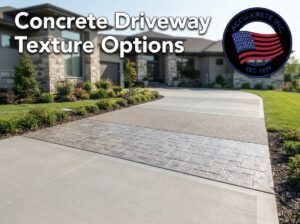
If you want to go beyond standard gray concrete, pulling off HOA-friendly concrete projects with decorative elements requires careful planning. Stamped patterns, stained finishes, and exposed aggregates often become points of debate within architectural committees. While these options can boost your property’s value, they still need to fit within the community’s approved color range and texture standards.
Many modern associations keep a pre-approved list of acceptable earth-toned colors and low-key geometric stamps. To make sure your decorative project gets through inspection, focus on these key requirements:
- Color Compliance: Make sure your chosen stains match the neighborhood’s pre-approved earth-toned color palette.
- Pattern and Texture: Pick subtle geometric stamps or finishes that keep things looking consistent with the homes around you.
- Documentation and Samples: Include physical material samples or manufacturer color catalogs with your paperwork to avoid the most common reasons projects get denied.
The HOA Concrete Project Approval Process
Starting a property upgrade involves more than just hiring a crew and picking a design — it requires a structured approach to staying compliant with your neighborhood’s rules. The concrete project approval process is a step-by-step system designed to review structural changes before any physical work starts on your property. Following the formal steps required by your association protects your investment, helps you avoid expensive delays, and ensures your project meets all community standards.
Phase 1: Pre-Submission & Due Diligence
Before you fill out any paperwork, take the time to read through your community’s official Architectural Guidelines and CC&Rs. This research helps you spot structural limits, boundary setbacks, and style requirements before you spend money on design plans or engineering drawings. Knowing these details early keeps you from designing something the board would immediately reject.
During this preparation phase, it’s strongly recommended to speak with a professional who understands local construction rules. Working with a certified licensed concrete contractor — or a regional specialist like an Orange County concrete contractor — ensures your initial ideas align with both city-level structural requirements and community design standards.
Phase 2: Compiling the ARC Application Bundle
Once you’ve confirmed your project fits within the community guidelines, you need to put together a complete Architectural Review Committee application packet. An incomplete submission is one of the most common causes of delays, so your packet needs to be thorough and leave no questions unanswered. Your submission bundle should include these core components:
- Site Map or Layout Drawing: A detailed diagram showing the exact layout of the proposed concrete structure, including its dimensions and distance from your property lines.
- Engineering and Water Management Specifications: Clear technical details showing expansion joint placement to control cracking and calculated drainage slopes to prevent runoff from reaching neighboring properties.
- Aesthetic Samples: Physical swatches, brochures, or manufacturer catalogs showing the specific concrete colors and finishes you plan to use.
- Municipal Approvals: Any required city or county documents, such as a formal concrete driveway permit, if your project affects public-facing areas.
Phase 3: The Review and Waiting Period
After you hand in your completed application, the documentation goes to the board or its designated architectural review panel. This committee looks over your plans to make sure the project maintains neighborhood harmony and protects community property values. Review timelines differ by community and can take anywhere from a few weeks to a couple of months, so always submit your paperwork well before your planned construction start date.
It’s critical that no site preparation, excavation, or concrete pouring happens during this waiting period. Starting work without formal written HOA concrete project approval is a direct violation of your community agreement — no matter how compliant your design may be. Wait until you have official written clearance before letting your crew bring in equipment or tear up any existing surfaces.
Phase 4: Post-Approval Safeguards
Getting your formal approval letter means you can safely move forward with construction, but your compliance responsibilities don’t stop there. The approval issued by the committee applies strictly to the exact specifications, dimensions, and materials you included in your application. Making changes during construction that weren’t approved can cancel your authorization and trigger penalties.
To protect yourself from disputes after the project is done, keep a copy of your signed approval documents on-site and make sure your team sticks exactly to the approved plans. Many associations do a final walk-through after installation to confirm the finished work matches what was approved. Documenting the entire construction process gives you clear evidence that your project fully meets the community’s structural and design standards.
Common Challenges Homeowners Face — and How to Avoid Them
Even careful homeowners can run into regulatory problems if they miss technical details or skip steps in the submission process. Understanding the most common reasons for HOA project delays or rejections helps you fix those issues before they slow down your timeline.
- Ignoring Water Runoff and Grading: Pouring a solid surface changes how water flows across your lot. Not showing clear drainage slopes on your plan often leads to rejections because poorly managed water can damage neighboring yards or public streets.
- Unapproved Color and Texture Variances: Choosing bright or unusual stains and heavy textures without permission is a fast way to get a non-compliance fine. Always match your choices to the approved concrete colors and finishes listed in your neighborhood guidelines.
- Encroaching on Setback Boundaries: Extending a pad or driveway too close to your property line breaks neighborhood space rules. Always include a professional site map or layout drawing to show your project stays within the allowed boundaries.
- Starting Construction Early: Beginning work before you receive formal written notice can result in heavy fines or an order to remove the new concrete. Complete the entire formal concrete project approval process before you set a construction date.
Best Practices for HOA-Friendly Concrete Projects
Getting through a renovation smoothly means aligning your project goals with both the structural and aesthetic expectations of your neighborhood. Homeowners who come to the review process with solid documentation, professional help, and open communication with neighbors tend to face fewer delays. Following standard compliance methods protects your timeline and helps you maintain good standing within your community long-term.
Professional Contractor Selection
Hiring the right expert is the foundation of a successful installation. Working only with an experienced, licensed concrete contractor — or a regional specialist like an Orange County concrete contractor — ensures your plans meet both city codes and structural requirements. A qualified professional can prepare committee-ready technical documents that prevent basic engineering rejections from the start.
Timely Submission Strategies
Review panels work on set schedules and need enough time to properly evaluate architectural changes. Submit your Architectural Review Committee application at least 45 to 60 days before your planned construction date to give the panel enough time to review everything. Submitting early removes scheduling pressure and gives you room to make revisions if the board asks for any changes.
Proactive Neighbor Communication
Many community disputes come from sudden changes near property lines that catch nearby owners off guard. Talk to your immediate neighbors about your plans — especially for projects near property lines like navigating HOA regulations for driveways or building large backyard patios. Handling their grading or privacy concerns early prevents unexpected complaints from slowing down your formal approval.
Conclusion
Completing a residential concrete installation inside a managed community requires a careful balance between your personal property goals and the neighborhood’s established standards. While the architectural review process can feel like an unnecessary step at first, it serves an important purpose — it keeps the neighborhood consistent, protects the underlying engineering, and preserves long-term community property values.
Ultimately, the key to a stress-free construction project comes down to early preparation and professional execution. By reviewing your association’s governing documents ahead of time, putting together a thorough submission packet, and working with qualified contractors, you remove the guesswork that often leads to project rejections or fines. Taking the time to plan properly before breaking ground protects your money and ensures a functional, compliant upgrade that adds lasting value to your home.
FAQs
How do homeowners’ associations (HOAs) regulate construction? Associations enforce legally binding rules within their community deeds and covenants. They require property owners to submit design plans to an architectural review committee for written clearance before work begins.
Is the HOA responsible for foundation issues? Associations are generally not responsible for foundation repairs on private lots. However, they may carry some liability if the structural damage comes directly from a defect in a shared community asset.
What are the most common HOA violations? Frequent compliance issues include unapproved exterior changes, overgrown landscaping, and improper trash can placement. Carrying out additions like patios or driveway extensions without written authorization also ranks high among common infractions.
What are the disadvantages of a HOA? Property owners face mandatory dues and assessments that can go up regularly. Residents also give up full control over their home’s exterior design and risk financial fines for breaking the rules.
What are some of the worst HOA rules? Restrictive regulations often include strict pet weight limits and very limited color options for exterior paint or decor. Outright bans on minor things like backyard clotheslines are also widely disliked by residents.Why do builders create HOAs? Developers set up associations to preserve the visual appeal and infrastructure quality of a new subdivision while homes are still being sold. This protects the builder’s investment and eventually shifts common maintenance responsibilities over to the buyers.
Professional Concrete Services in Orlando, FL
Accu-Krete provides reliable concrete installation, repair, decorative concrete, patios, driveways, and sidewalk solutions for homeowners and businesses across Orlando and nearby areas.